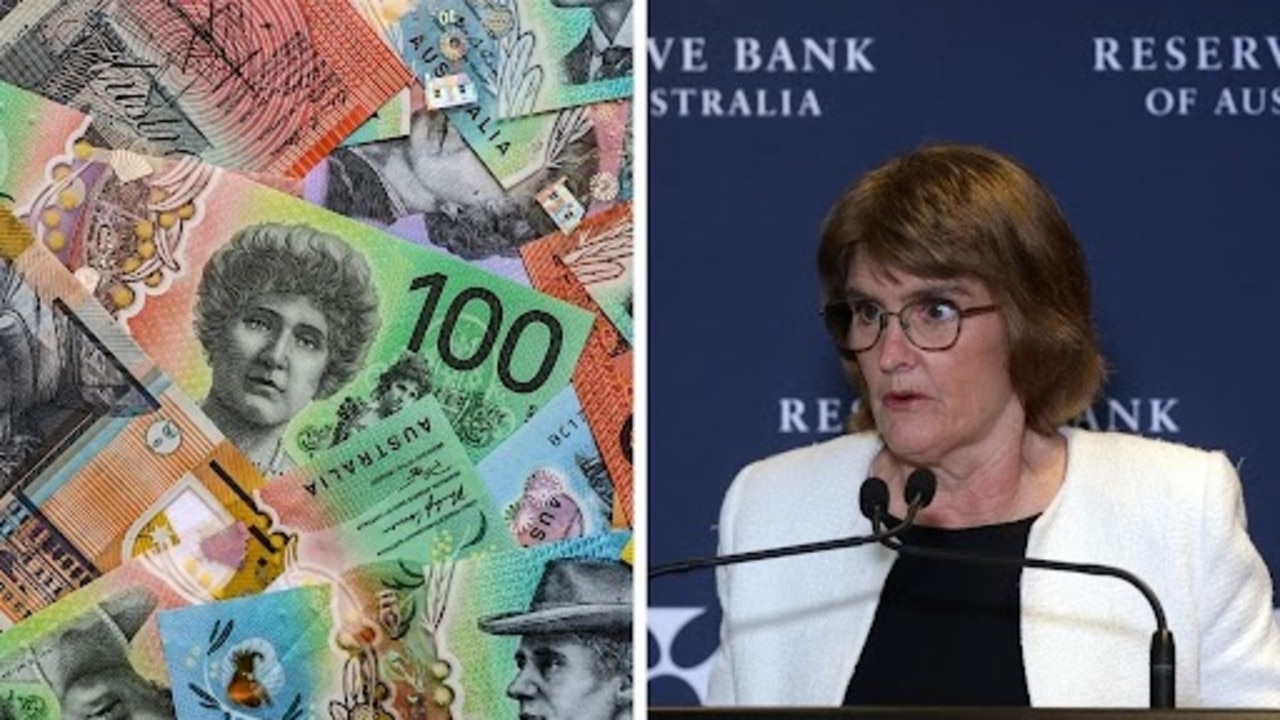
Australian homeowners face an anxious wait for Wednesday’s crucial inflation data, with economists warning this single release could determine whether the Reserve Bank imposes further interest rate pain. The Australian Bureau of Statistics will unveil the December quarterly consumer price index at 11:30 AM, providing critical insight into the nation’s inflationary trajectory ahead of the RBA’s first 2024 policy meeting next week.
Financial experts have identified a precise threshold that could force the central bank’s hand. Judo Bank chief economist Warren Hogan cautioned that should quarterly inflation reach or exceed 0.8%, the RBA would likely announce a rate hike when it meets on February 4. ‘Current interest levels remain insufficient to restore price stability to target parameters,’ Hogan stated during a Sky News interview, suggesting multiple increases might be necessary.
The economic landscape presents conflicting signals for policymakers. While headline annual inflation moderated to 3.4% in November from the previous 3.8%, the more significant trimmed mean inflation—which excludes volatile price movements—stood at 3.2%. Oxford Economics Australia’s Harry Murphy Cruise identified this trimmed mean figure as the decisive ‘magic number,’ noting that results exceeding 3.2% would likely warrant immediate monetary tightening.
Compounding the pressure on borrowers, December’s unemployment rate unexpectedly dropped to 4.1% from November’s 4.3%, with 65,000 new workers entering employment. This robust labor market performance potentially fuels consumer spending capacity, creating conditions where businesses might more easily transfer rising costs to customers—a development that could sustain inflationary pressures.
Despite recent methodological changes incorporating full monthly inflation data, the ABS continues producing quarterly figures that remain the RBA’s primary reference. With the central bank balancing dual mandates of full employment and price stability, Wednesday’s release represents what Betashares economist David Bassanese characterized as a ‘make-or-break’ moment for February’s rate decision.