RABAT, Morocco — King Mohammed VI of Morocco has issued a rare public appeal for unity and fraternity across the African continent following a disturbing surge in racial tensions triggered by the controversial Africa Cup of Nations final. The monarch’s intervention comes as human rights organizations document escalating hate speech targeting sub-Saharan African communities within Morocco.
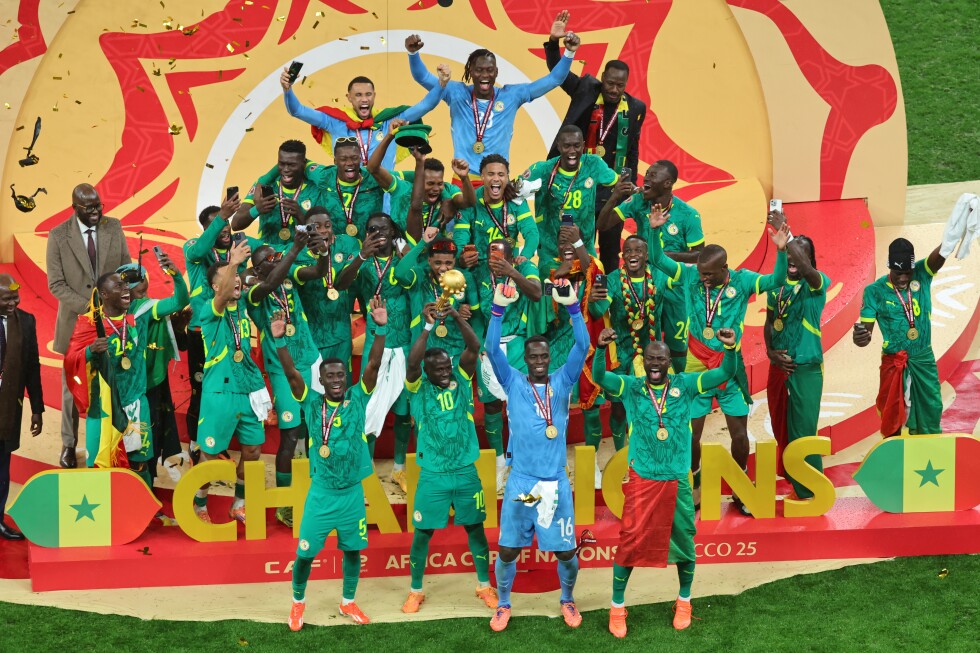
The diplomatic crisis emerged from Sunday’s championship match where Senegal narrowly defeated host nation Morocco 1-0 during extra time. The game descended into chaos when Senegalese players staged an on-field walkoff protesting a penalty decision during stoppage time, followed by attempts by spectators to storm the pitch. Outraged Senegalese supporters hurled chairs onto the field and clashed with security personnel before police intervention.
Rabat’s public prosecution office confirmed eighteen Senegalese nationals faced formal charges including inciting violence during sporting events and vandalizing stadium infrastructure. Their petitions for provisional release were denied during Thursday’s court appearance, according to legal representative Naima El Guellaf.
The physical confrontation rapidly transformed into digital warfare across social media platforms, where public figures from both nations circulated content accused of perpetuating harmful racial stereotypes. The Moroccan Association of Human Rights issued an official statement noting “a serious and worrying resurgence of hate speech and racist practices” targeting sub-Saharan residents in the aftermath of the final.
In an unusual palace address, King Mohammed VI emphasized historical bonds: “Nothing can undermine the closeness nurtured over centuries between our African peoples, nor the fruitful cooperation built with the various countries of the continent. Morocco is and will remain faithful to the spirit of fraternity, solidarity and respect it has always upheld toward its continent.”
The timing proves particularly sensitive as Morocco positions itself as a regional leader through substantial investments in West African banking and telecommunications sectors. The nation has strategically opened its ports to landlocked countries, facilitating Atlantic Ocean access and international trade routes. This incident casts uncertainty over Morocco’s joint bid with Spain and Portugal to host the 2030 World Cup.
In a conciliatory gesture, Senegalese Prime Minister Ousmane Sonko announced forthcoming diplomatic visits to Morocco while confirming his government’s monitoring of detained supporters. The monarch concluded that Moroccans must resist resentment and discord, reframing the tournament hosting as an “African success” despite the controversies.