A devastating ecological disaster has unfolded in the Republic of Ireland, where a toxic pollution incident in the River Glyde has claimed the lives of more than 20,000 fish across multiple species. The large-scale fish kill was first uncovered on Tuesday near the village of Tallanstown, located in County Louth, according to Inland Fisheries Ireland (IFI), the state agency responsible for protecting Ireland’s inland fisheries resources.
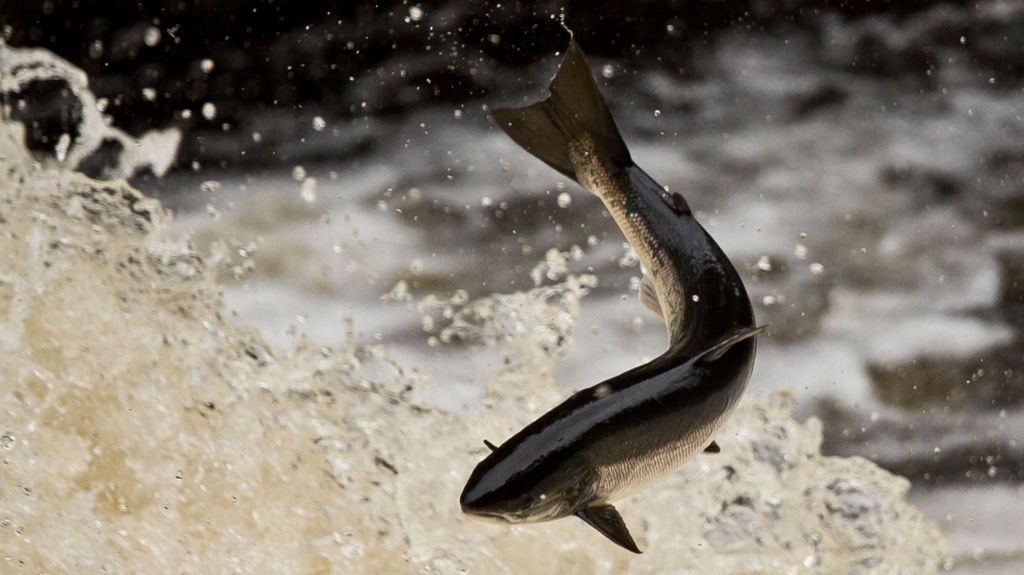
Post-mortem surveys of the affected waterway have found dead specimens spanning ecologically and commercially important species, including both mature and young Atlantic salmon, European eel, brown trout, and pike, alongside a range of common coarse fish. Ronan Matson, director of IFI’s eastern river basin district, confirmed in an interview with Irish public broadcaster RTÉ that the vast majority of the fatalities are minnows and sticklebacks, two small, widespread native freshwater species.
Investigators have already zeroed in on a clear line of inquiry, with authorities suspecting the incident stems from illegal agricultural discharge that entered the river upstream of Tallanstown. Local government bodies have been notified of the ongoing investigation, and IFI has already collected water samples from the affected stretch of the river, which are currently undergoing laboratory testing to formally confirm the exact source and composition of the contaminant.
On a walking survey of the riverbank, Matson noted that while a portion of the dead fish have already been washed downstream by currents, thousands of deceased fish remain visible concentrated in other sections of the waterway. While the harmful contamination itself is expected to flush out of the river system relatively quickly once the source is cut off, Matson warned that the ecosystem will not rebound overnight. It will likely take several years for affected fish populations to recover to their pre-pollution numbers, he said.
Encouragingly, the pollution event appears to have occurred outside the river’s primary salmon and trout spawning grounds, meaning most existing egg stocks remain unharmed. Matson expressed cautious confidence that once the pollution source is fully contained – a step the agency says is already nearly complete – the river’s fish populations will be able to regenerate naturally over time.