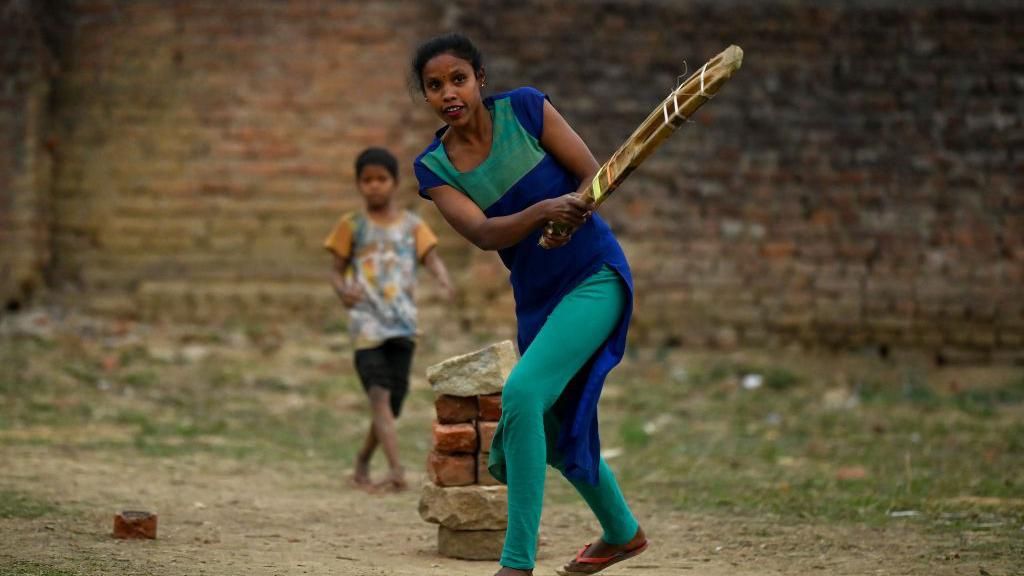
A landmark study reveals a significant transformation in India’s sporting landscape, with female participation in cricket and badminton reaching unprecedented levels. Commissioned by the BBC and Collective Newsroom, the comprehensive 2026 survey encompassing 10,304 respondents across 14 Indian states demonstrates remarkable progress in gender parity within sports.
The data indicates that one in ten Indian women now actively participate in cricket, representing a substantial increase from previous years. The gender gap in cricket participation has notably narrowed from a 5:1 male-to-female ratio in 2020 to a 3:1 ratio in the current findings. Among female cricket players, 40% engage in the sport at least weekly, demonstrating serious commitment to athletic pursuits.
This surge in female sports involvement coincides with extraordinary achievements by Indian sportswomen on the global stage. The inspirational performances of shooter Manu Bhaker, who secured two Olympic medals at the 2024 Paris Games, coupled with the Indian women’s cricket team capturing their inaugural World Cup title on home soil in 2025, have created a powerful ripple effect throughout the nation.
Young women aged 15-24 emerge as the primary catalysts driving this sporting revolution, with 26% considering athletics as a viable career path—a significant increase from 16% in 2020. Viewership patterns reflect this growing engagement, with 51% of respondents following women’s sports coverage, approaching the 63% who follow men’s sports.
Despite these advancements, the study reveals persistent societal challenges. Concerningly, 43% of respondents believe women’s sports are less entertaining than men’s (up from 38% in 2020), while nearly half of those surveyed maintain that sportswomen should prioritize appearing attractive—a sentiment more prevalent among female respondents than male.
The research, conducted by Kantar India using consistent methodology for comparability with the 2020 baseline, also highlights structural barriers to sports participation, with two-thirds of Indians citing time constraints as their primary obstacle to athletic involvement.