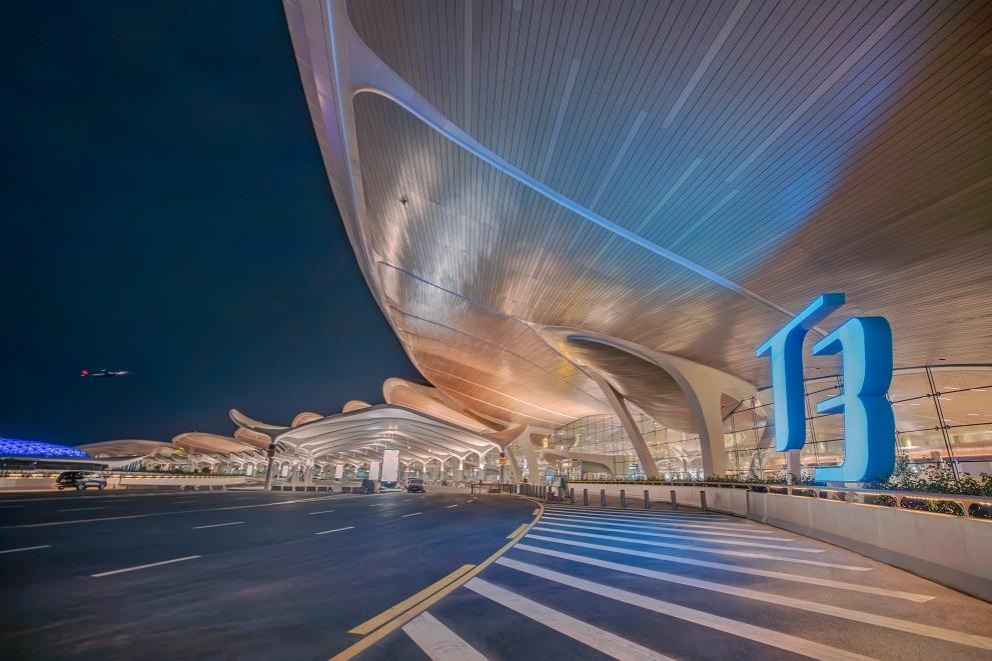
The recent restoration of direct flight connectivity between India and China is generating substantial economic momentum, creating fresh pathways for bilateral trade and commercial cooperation. This development comes after a prolonged five-year hiatus that had severely constrained business interactions between the two Asian giants.
Entrepreneur Praveen Suthar’s experience exemplifies the transformative impact of renewed air links. For years, Suthar had postponed establishing a portable house manufacturing facility in Udaipur, Rajasthan, due to transportation challenges. The October resumption of direct flights between Kolkata and Guangzhou finally enabled his 12-day sourcing mission to China, resulting in a fully approved manufacturing plant that will employ approximately 400 local workers.
“We maintain significant dependence on China for high-tech raw materials that remain consistently cost-effective,” stated Suthar, who also chairs the Federation of Rajasthan Trade and Industry. The direct flight service has transformed previously cumbersome travel into viable business operations.
The aviation restoration includes multiple routes: IndiGo’s Kolkata-Guangzhou service (resumed October 26), China Eastern Airlines’ daily Delhi-Shanghai connection (launched January 2), and anticipated reinstatements of Kolkata-Kunming and Mumbai-Shanghai routes according to Chinese embassy statements.
Business advocates highlight the psychological significance of these developments. Santosh Pai, a cross-border business advisor and scholar at New Delhi’s Institute of Chinese Studies, observed: “Direct flights carry enormous signaling effect. Companies from both nations that had suspended plans are now proactively accelerating trade activities. Chinese firms have recommenced exploratory visits to India while Indian businesses are formulating new strategies.”
The timing proves particularly fortuitous as Indian exporters seek alternatives to challenging market conditions. With United States tariffs imposing 50 percent duties on various Indian goods, exporters are actively diversifying toward Chinese markets. Jagdish Kumar, an Indian seafood exporter, noted the strategic shift: “American tariffs have severely impacted export viability, making Chinese market alternatives increasingly attractive.”
Early indicators suggest this diversification is already underway. India’s seafood exports to China have surged 9 percent year-over-year, according to Gibinkumar T.R., secretary of India’s Marine Products Export Development Authority. This trend is expected to accelerate amid ongoing trade tensions.
Ramachander Poodipeddi, public affairs lead for a Chinese multinational in India, emphasized the operational benefits: “Enhanced connectivity enables more sincere business engagement with greater commitment.”
Ajay Sahai, director-general of the Federation of Indian Export Organisations, projected broader implications: “Increased flight connectivity will stimulate business interactions that benefit both nations and potentially strengthen the global economic landscape in coming weeks.”
The aviation restoration aligns with diplomatic developments, including the December 12 bilateral agreement to enhance institutional dialogue, manage differences, and strengthen multilateral coordination—particularly regarding Global South interests.