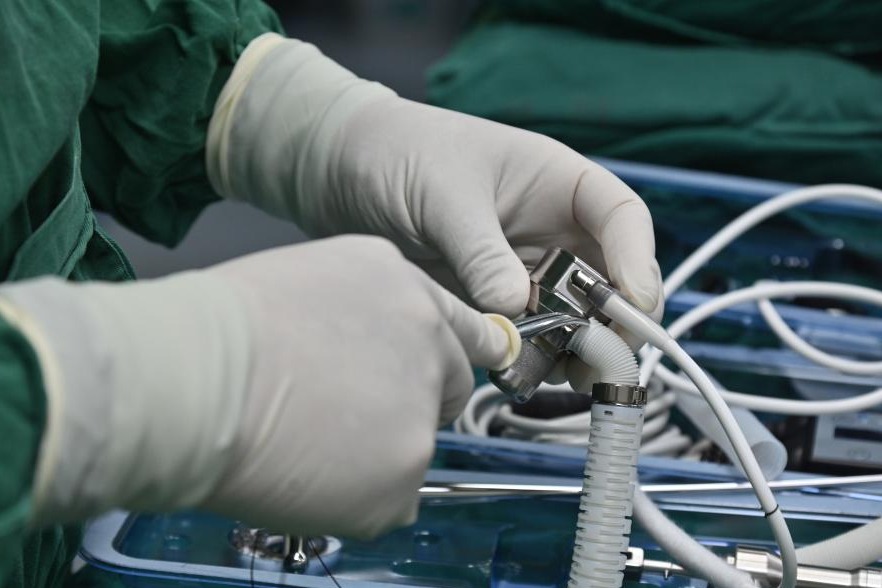
Tianjin has joined a growing number of Chinese cities implementing groundbreaking healthcare coverage for artificial heart implantation procedures, marking a significant advancement in cardiovascular treatment accessibility. The policy shift follows national guidelines issued by China’s National Healthcare Security Administration (NHSA) in March that established standardized pricing and coverage for ventricular assist devices.
The transformative impact of this policy is exemplified by 69-year-old Sun Jucai, who became Tianjin’s first beneficiary after receiving an artificial heart implant in November. Diagnosed with dilated cardiomyopathy, Sun had endured severe heart failure symptoms that left him breathless during simple conversation. Following successful surgery at TEDA International Cardiovascular Hospital using a domestically developed device, Sun has experienced remarkable recovery and now describes the procedure as ‘a second chance at life.’
Financially, the coverage represents a dramatic reduction in patient burden. Previously costing over 1 million yuan ($142,150), artificial heart implantation now costs approximately 700,000 yuan after insurance reimbursement. ‘The medical insurance covered most of the consumables and surgical expenses, greatly easing my financial burden,’ Sun confirmed after his recent discharge.
This expansion addresses a critical healthcare challenge: China’s estimated 16 million chronic heart failure patients, with numbers continuing to rise. For advanced-stage patients, conventional treatments offer limited relief, and heart transplantation remains constrained by donor shortages. Artificial hearts have emerged as a viable alternative, though cost previously placed them beyond reach for most citizens.
Notably, Tianjin’s policy eliminates regional barriers, allowing patients from across China to seek treatment and receive reimbursement within the city. This development follows similar implementations in other major regions including Beijing and Guangdong Province.
Healthcare experts anticipate broader implications from this policy shift. Dr. Liu Xiaocheng, President of TEDA International Cardiovascular Hospital, notes that ‘approving reimbursement for this life-saving but costly technology will help speed up the development and wider use of artificial hearts in China.’
The expansion reflects China’s ongoing commitment to healthcare system development, maintaining approximately 95% enrollment in basic medical insurance with some 20 billion reimbursements processed between 2021 and 2024 according to NHSA statistics.