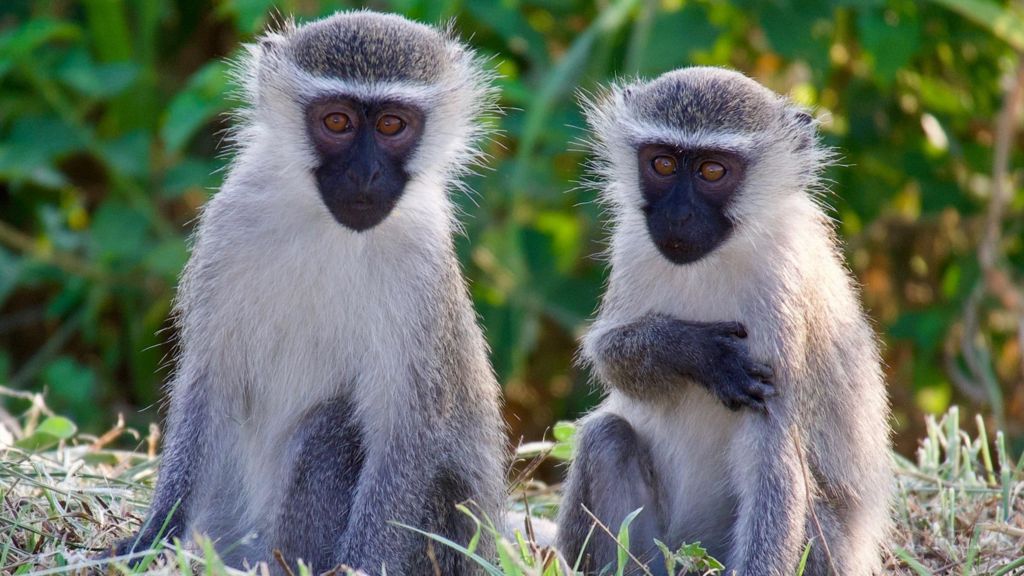
Environmental health authorities in St. Louis, Missouri, have launched an intensive search operation following confirmed sightings of multiple non-native vervet monkeys roaming residential areas. The primates, first observed last Thursday, continue to evade capture despite coordinated efforts by animal control specialists.
The city’s Health Department, through Bureau Chief of Environmental Health Justen Hauser, has issued explicit warnings for residents to maintain distance from the agile creatures. While vervet monkeys demonstrate notable intelligence and social behaviors in their natural habitat, officials emphasize their potential for unpredictable aggression when subjected to stress or unfamiliar environments.
Primatologists from the prestigious St. Louis Zoo have formally identified the animals as African vervets (Chlorocebus pygerythrus), characterized by distinctive pale fur and dark facial features. These arboreal mammals typically inhabit savanna regions across eastern and southern Africa, making their presence in urban Missouri particularly unusual.
Current investigative efforts focus on the O’Fallon Park district where most sightings have occurred. The origin of these primates remains undetermined, especially noteworthy given municipal regulations explicitly prohibiting private ownership of exotic species. This incident highlights broader concerns regarding illegal wildlife trade, particularly since Missouri reportedly ranks among the top states for primate transactions with approximately 35-50 changing hands annually.
While no physical confrontations have been documented, local residents have expressed understandable apprehension. Marva Young, a community member, articulated widespread concerns regarding potential dangers posed by non-domesticated animals in residential spaces.
Animal control teams continue systematic patrols with priority placed on humane capture and relocation to accredited exotic animal sanctuaries. Officials urge citizens to immediately report sightings through official channels rather than attempting interaction, noting the species’ potential carrier status for zoonotic diseases.