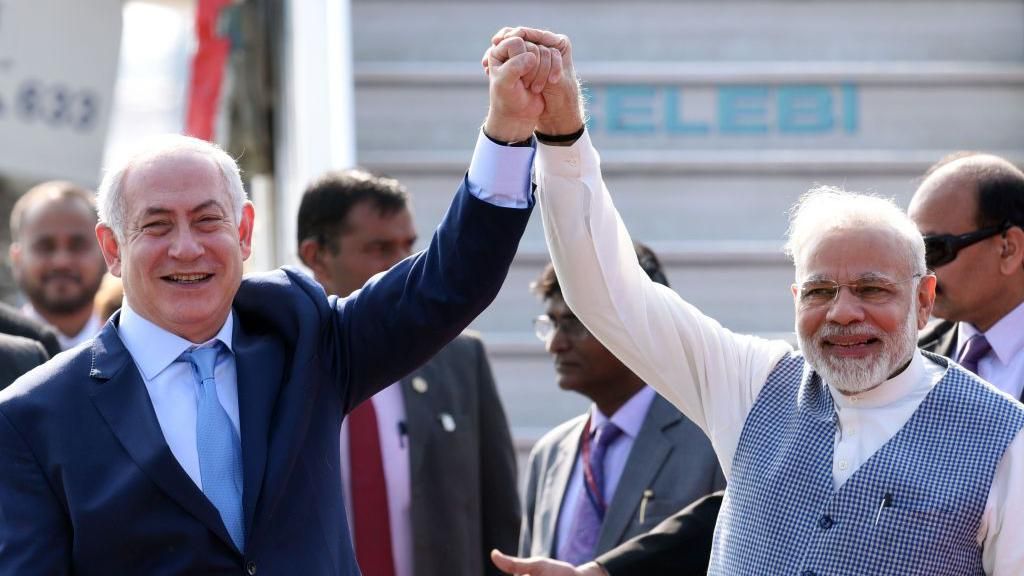
Indian Prime Minister Narendra Modi has embarked on a pivotal two-day diplomatic mission to Israel, marking his first visit since the outbreak of the Gaza conflict. The carefully orchestrated itinerary features high-level engagements with Israeli Prime Minister Benjamin Netanyahu and President Isaac Herzog, including a scheduled address before the Knesset—Israel’s parliamentary body. Notably absent from the agenda are meetings with Palestinian leadership, underscoring the complex geopolitical calculations underlying this visit.
The diplomatic engagement occurs against a backdrop of escalating regional tensions, including heightened US military presence and nuclear tensions with Iran. Despite these challenges, both nations are prioritizing the strengthening of defense, technology, and trade partnerships that have flourished under Modi’s decade-long leadership. The relationship reached a historic turning point during Modi’s groundbreaking 2017 visit, the first by an Indian prime minister, which established new paradigms for counter-terrorism cooperation and defense procurement—making India one of Israel’s largest arms customers.
Netanyahu characterized the visit as ‘historic,’ emphasizing on social media platform X that ‘the bond between Israel and India is a powerful alliance between two global leaders. We are partners in innovation, security and a shared strategic vision.’ Modi reciprocated by affirming India’s commitment to ‘the enduring friendship with Israel, built on trust, innovation and a shared commitment to peace and progress.’
However, the visit faces domestic political challenges in both nations. Israeli opposition parties have threatened to boycott Modi’s Knesset address amid an ongoing judicial reform controversy, while Indian opposition leaders have criticized the government’s perceived abandonment of Palestinian solidarity. India maintains its official support for a two-state solution while navigating relationships with Iran and other Middle Eastern nations critical of Israel.
According to Kabir Taneja of the Observer Research Foundation, ‘India’s indigenous defense technology is still lagging on many fronts, especially as warfare becomes more automated and technology driven. Given tensions with Pakistan and China, India does not have the luxury of not seeking the best technological equipment.’ Regional stability remains critically important for India’s connectivity and energy security interests, ensuring Modi will carefully balance his praise for Israeli relations with preservation of India’s broader Middle Eastern partnerships.