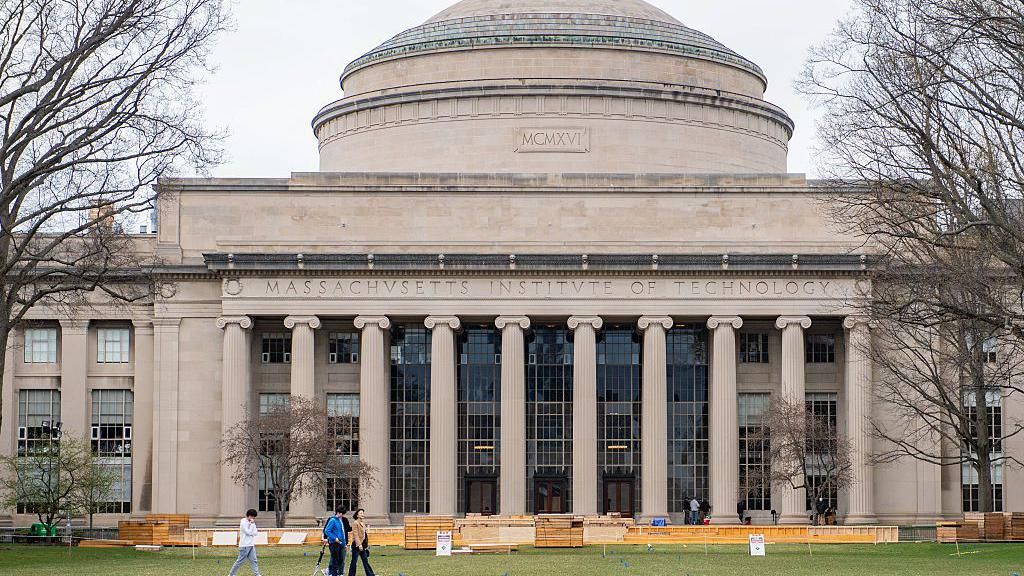
The Massachusetts Institute of Technology (MIT) has firmly declined a proposal from the Trump administration that sought to impose specific policies in exchange for preferential access to federal funding. In a letter addressed to U.S. Education Secretary Linda McMahon, MIT President Sally Kornbluth stated that the proposal would ‘restrict freedom of expression’ on campus and conflict with the university’s foundational principles. The proposal, titled ‘Compact for Academic Excellence in Higher Education,’ was also presented to other prominent institutions, including Brown University, the University of Pennsylvania, and the University of Texas. The compact outlined a series of demands, such as capping foreign student admissions, limiting university leaders’ comments on political events, and adopting a binary definition of gender. Additionally, it required universities to use standardized tests for admissions, commit to using lawful force to manage campus protests, and ensure an environment conducive to conservative ideas. MIT, which already employs standardized tests and maintains an international enrollment of around 10%, rejected the proposal, emphasizing its commitment to independent thinking and scientific merit. Kornbluth argued that the compact’s principles were inconsistent with MIT’s core values and its mission to foster open competition for excellence. This decision follows MIT’s previous legal actions against the Trump administration, including a lawsuit over cuts to health research funding and support for Harvard University in similar disputes. Other universities approached by the government, such as the University of Arizona and Dartmouth College, have yet to publicly respond. Meanwhile, California Governor Gavin Newsom warned that any state university accepting the deal would face immediate cuts to state funding, including Cal Grants, as California refuses to support institutions that compromise academic freedom.