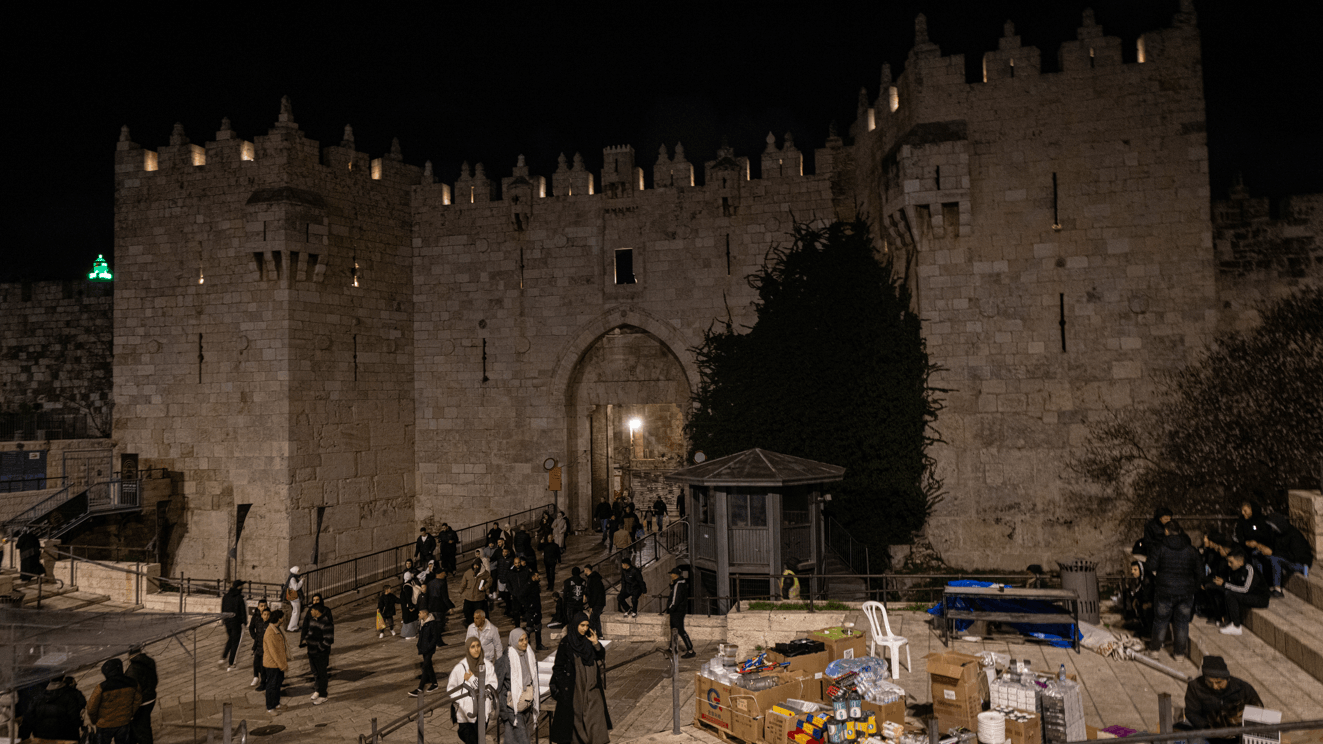
Jerusalem’s ancient streets, typically vibrant with elaborate illuminations and festive decorations during Ramadan, remain conspicuously barren this year as Israeli authorities impose severe restrictions on traditional celebrations. Palestinian residents report an unprecedented suppression of cultural and religious expressions throughout the holy month.
Ahmad, a Palestinian resident who requested anonymity for security concerns, described the atmosphere as fundamentally altered. “Ramadan in Jerusalem has always been otherworldly,” he told Middle East Eye. “We traditionally anticipate the transformation of our alleyways into spaces of light and communal joy. This year, the walls stand empty and the spirit feels diminished.”
The Israeli military administration has implemented multiple measures affecting religious practices. Most significantly, access to Al-Aqsa Mosque—Islam’s third holiest site—has been severely curtailed for Palestinians from the occupied West Bank. Only 10,000 individuals meeting specific age criteria (either over 50 or under 12) will be permitted entry exclusively on Fridays, and only with prior authorization from Israeli forces.
Even Jerusalem residents face intensified security measures. Ahmad reported being barred from entering the mosque compound, forced instead to pray outside its gates amid heavy police presence. “They are attempting to frustrate anyone entering the area,” he observed.
Traditional Ramadan customs have been targeted, including restrictions on the mesaharati—volunteers who traditionally wake communities for pre-dawn meals. The absence of decorations has particularly affected residents’ experience. Yara Rashaa, another Jerusalem resident, noted: “We walk through streets missing the beauty that was once here. Decorations gave the city flavor and life. This feels different to previous years—both somewhat lovely and somewhat miserable.”
The heightened security presence extends throughout occupied East Jerusalem and the West Bank, with increased arrests and military patrols. Many Palestinians declined to speak about the restrictions, fearing reprisals from authorities.
This represents a continuation of Israel’s gradual erosion of the international arrangement governing Al-Aqsa Mosque as an exclusively Islamic site. Since occupying East Jerusalem in 1967, Israeli authorities have progressively restricted Muslim access while facilitating increased Jewish presence and prayer at the compound, altering the status quo that has prevailed for decades.