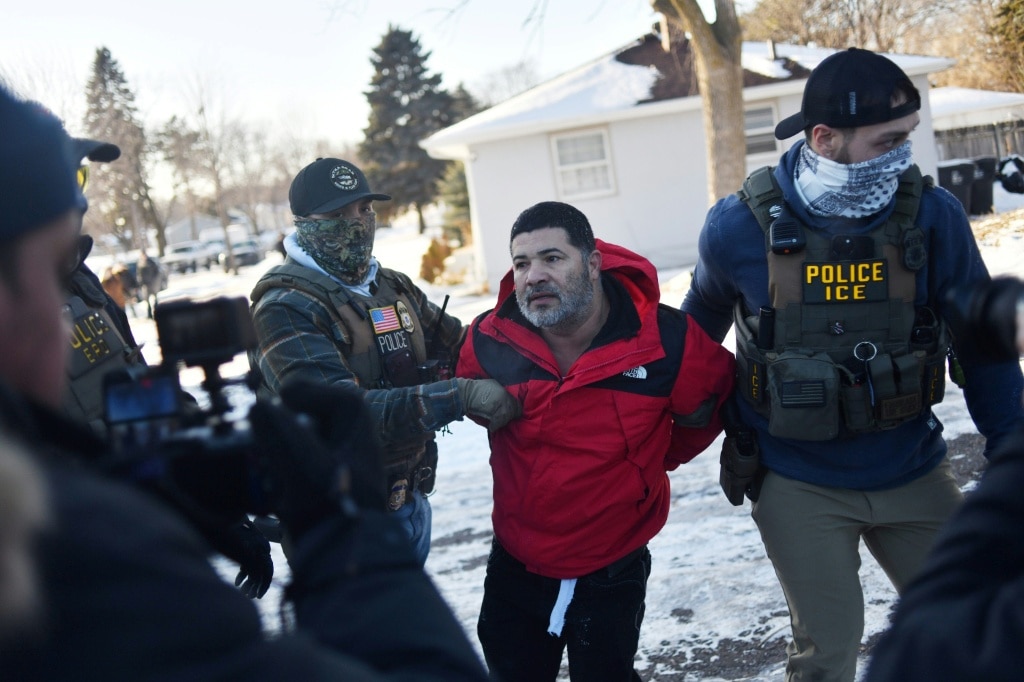
In a high-stakes digital surveillance operation, Minneapolis-based activists have mobilized sophisticated technology to monitor the movements of federal immigration enforcement agents deployed throughout the city. Utilizing encrypted messaging applications and real-time mapping software, these civilian observers—many with military backgrounds—are conducting around-the-clock monitoring of approximately 3,000 federal officers operating under President Trump’s intensified immigration crackdown.
The volunteer network, organized through neighborhood-specific groups on the encrypted Signal platform, operates as a decentralized intelligence-gathering system. When suspicious vehicles or potential Immigration and Customs Enforcement (ICE) activity is reported, the network springs into action with verified sightings and coordinated response teams.
Chelsea Kane, a 37-year-old software engineer and military veteran, coordinates one such monitoring team from her electric SUV. “For me, it’s just what you do. You protect your community,” stated Kane, who accuses federal authorities of racial profiling practices. Alongside her rides Carrie Thompson, a 45-year-old mother of two who asserts, “Just because you have brown skin doesn’t mean you shouldn’t be here.”
The operation has documented numerous concerning incidents since its inception, including the shooting of an undocumented Venezuelan man, detention of a 5-year-old Ecuadorian boy, and fatal shootings of two U.S. citizens that administration officials initially characterized as domestic terrorists until witness footage contradicted these claims.
Despite Trump’s partial withdrawal of Border Protection personnel following public outcry, activists maintain the reduction is merely cosmetic. “They’re not taking a significant amount of agents off the streets,” Kane emphasized, noting that the monitoring operation continues indefinitely as federal presence persists in Minnesota communities.
The Trump administration has labeled these observers as criminals obstructing law enforcement, while the FBI has acknowledged reviewing the activists’ Signal communications. The volunteers maintain they merely document encounters to ensure accountability, with Kane stating: “All we’re doing is recording so that if something happens it’s documented.”