In an extraordinary fusion of gaming technology and cultural preservation, Minecraft enthusiasts across China are undertaking ambitious digital reconstruction projects that are captivating millions online. This innovative movement represents a groundbreaking approach to historical education and national memory.
Twenty-four-year-old Qiu Zekai, operating under the online alias Qiuxiaoniuer, has emerged as a prominent figure in this digital renaissance. He dedicated two intensive months to meticulously recreating sections of the destroyed Yuanmingyuan, also known as the Old Summer Palace. His virtual restoration specifically focuses on the Xiyang Lou (Western-style mansions) and the magnificent Dashuifa (Great Fountains), achieving an architectural accuracy that has resonated deeply with viewers.
The historical significance of this project stems from the palace’s tragic destruction by Anglo-French forces during the Second Opium War (1856-1860), an event that represents what Chinese historians refer to as the ‘century of humiliation.’ Among the countless treasures looted during this period were the twelve zodiac bronze animal heads that once adorned the palace’s water clock fountain. Qiu’s digital masterpiece symbolically reunites these scattered artifacts in their virtual original setting, creating what online communities have celebrated as a ‘cyber reunion’ of cultural heritage.
The response to Qiu’s creation has been overwhelming, with his serene fly-through video accumulating millions of views across social media platforms. His Douyin following surged by 200,000 subscribers following the project’s release, bringing his total audience to 3.4 million engaged followers. Comment sections overflow with emotional responses praising this ‘patriotic romance of the young generation’ and appreciating the unique connection between historical awareness and contemporary digital culture.
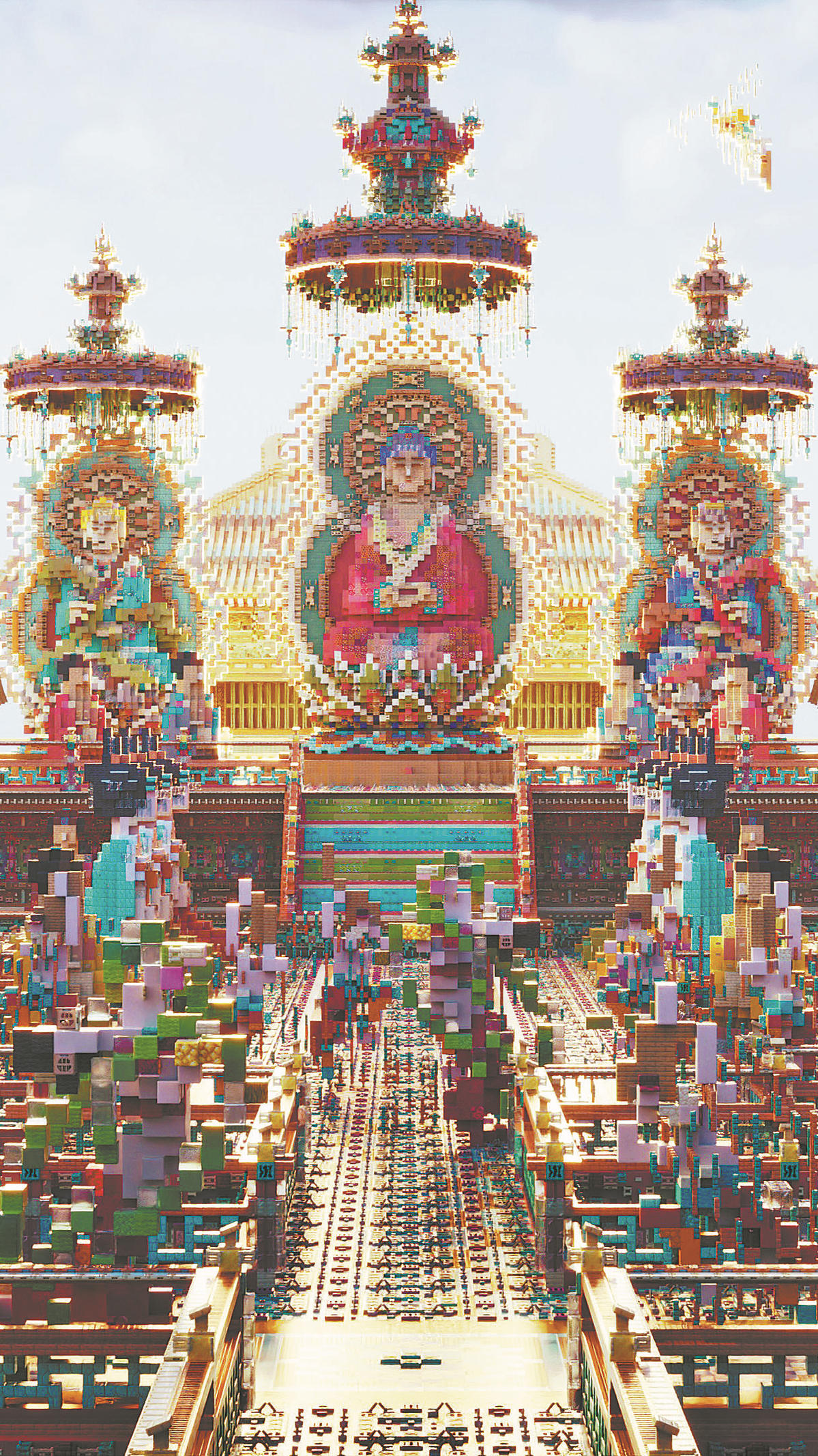
Parallel to Qiu’s achievement, another digital architect named Xia Caiquan has gained recognition for his breathtaking Minecraft reconstruction of Dunhuang’s Buddhist heavenly palace. These projects collectively demonstrate how sandbox gaming environments are evolving into platforms for cultural expression, historical education, and technological innovation.
Beyond their visual appeal, these virtual reconstructions serve as interactive historical archives, allowing new generations to experience and understand cultural heritage that physical circumstances might otherwise keep inaccessible. This movement represents a significant shift in how digital natives engage with history, transforming passive learning into active creation and ensuring that important cultural narratives continue to evolve within contemporary technological contexts.