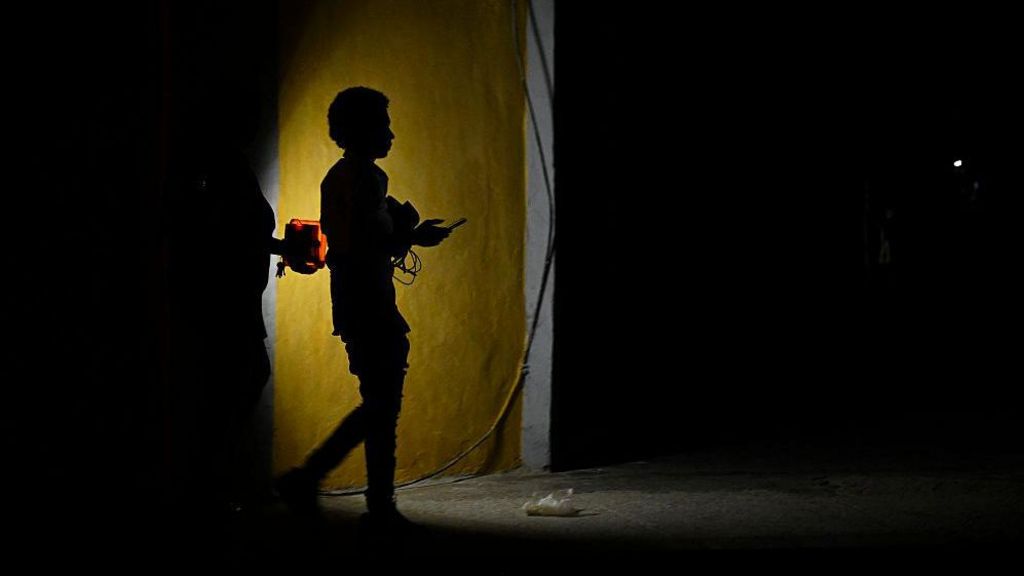
Cuba’s national electricity system experienced a catastrophic failure on Monday, plunging millions of citizens into darkness in the latest and most severe power crisis to hit the island nation. According to UNE, Cuba’s grid operator, restoration efforts are gradually underway across provinces and urban centers, though complete recovery remains uncertain.
The collapse represents the culmination of years of deteriorating energy infrastructure and chronic fuel shortages that have now reached critical levels. These systemic problems have been dramatically worsened by recent US sanctions that have effectively strangled Cuba’s oil supply chain. The situation has become particularly dire since January, when American authorities captured Venezuelan President Nicolas Maduro and subsequently intensified pressure on Cuba by intercepting multiple oil shipments destined for the island.
President Donald Trump escalated tensions further during a White House press briefing, stating he believed he would have the ‘honour of taking Cuba’ and remarking that the nation’s weakened state meant he ‘could do anything I want with it.’ These comments follow his previous threats of a ‘friendly takeover’ of the Caribbean nation, which has maintained strained relations with the US since the 1959 revolution that brought Fidel Castro to power.
The current energy crisis has deep roots in Cuba’s dependence on imported fuel, with Venezuela previously supplying approximately 35,000 barrels daily—accounting for nearly half of Cuba’s consumption. With no oil shipments reaching Cuban shores for three months, according to President Miguel Diaz-Canel, the country’s power grid has buckled under the strain.
This energy catastrophe has triggered widespread social unrest, with protesters recently storming a Communist Party building in Moron following rallies against soaring food prices and persistent blackouts. Havana residents express grim resignation, with one telling Reuters that the latest outage ‘didn’t surprise’ her, adding ‘We’re getting used to living like this.’
Despite the tensions, diplomatic channels remain partially open, with President Diaz-Canel confirming last week that preliminary talks with the Trump administration were underway to resolve bilateral differences.