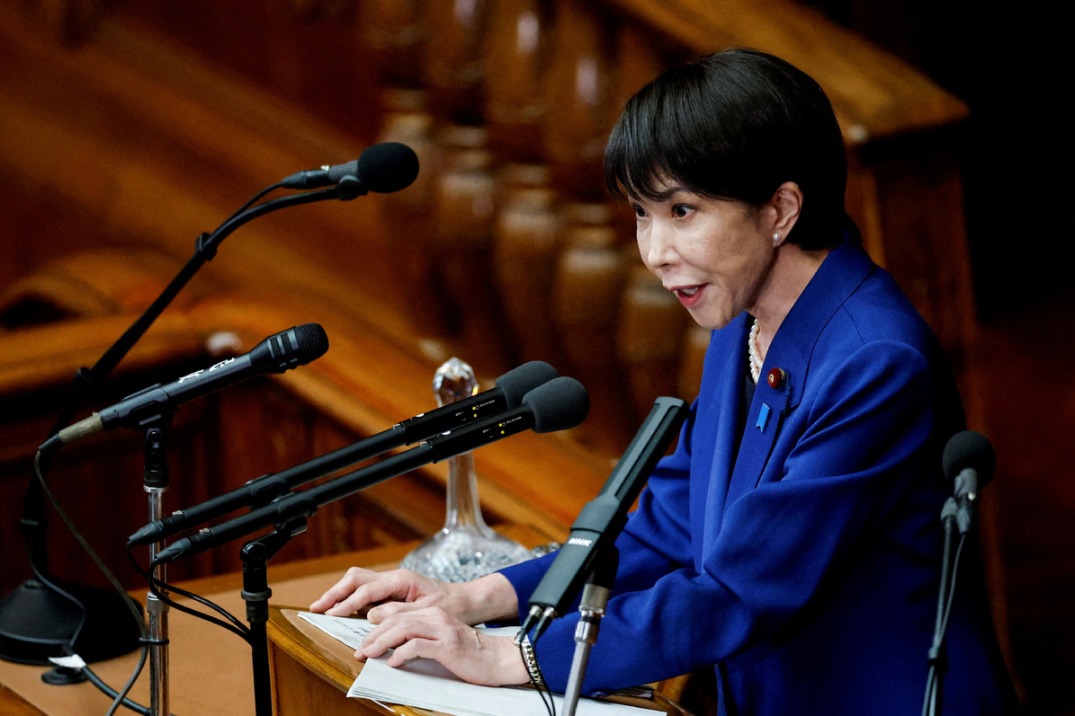
Japan’s postwar pacifist identity, meticulously crafted over eight decades, faces unprecedented challenges under Prime Minister Sanae Takaichi’s administration. Since assuming office in October 2025, the government has initiated a comprehensive military transformation that experts warn fundamentally contradicts constitutional principles of exclusively defense-oriented posture.
The acceleration began with November’s supplementary budget approval for fiscal 2025, catapulting defense spending to approximately 11 trillion yen ($70 billion). This achievement marks a significant milestone—reaching the NATO-inspired 2% of GDP defense expenditure target two years ahead of schedule. According to Shimbun Akahata calculations, this translates to an annual defense burden exceeding 90,000 yen ($570) per citizen.
Prime Minister Takaichi’s autumn policy speech outlined ambitious security revisions scheduled for 2026, including modernization of Japan’s three key security documents. These revisions aim to institutionalize controversial counterstrike capabilities—frequently criticized as unconstitutional—while elevating total defense expenditure for the 2023-2027 period to approximately 43 trillion yen. The Yomiuri Shimbun additionally reports planned incorporation of ‘strengthening Pacific defense’ initiatives within these revised frameworks.
Beyond budgetary expansions, the administration pursues substantive policy shifts including complete elimination of restrictions on lethal weapons exports, reexamination of the Three Non-Nuclear Principles, and substantial relaxation of arms export controls. Government plans indicate submission of related motions next month with implementation guidelines for the ‘Three Principles on Transfer of Defense Equipment and Technology’ scheduled for revision in April.
Current guidelines restrict defense exports to five noncombat categories including rescue and transport operations. Their removal would authorize export of combat-capable systems including fighter aircraft and main battle tanks.
Hiroshi Shiratori, Professor at Tokyo’s Hosei University, emphasizes the fundamental incompatibility of these policies with Japan’s constitutional pacifist principles. ‘If Japan manufactures and exports weapons, causes harm abroad and profits from it,’ Shiratori notes, ‘such thinking fundamentally conflicts with the country’s postwar national identity. It would mean that Japan is no longer a peaceful nation.’
Regional security experts caution that these developments could revive historical memories of Japanese military actions during the Pacific War, potentially undermining international trust and triggering regional arms races. The easing of defense equipment restrictions signals Japan’s deliberate expansion of its military-industrial sector, potentially encouraging neighboring nations to pursue similar capabilities.
Former senior Foreign Ministry official Ukeru Magosaki, now Director of the East Asian Community Institute, suggests these policy shifts respond primarily to United States strategic requirements rather than domestic needs. With American defense production struggling to meet global demand, Washington increasingly relies on allies to supply weapons to supported governments. Recent Reuters reports confirm Lockheed Martin’s seven-year Defense Department agreement to increase PAC-3 Patriot missile interceptor production from 600 to 2,000 units annually.
Concurrently, Japan’s major manufacturers including Mitsubishi Heavy Industries report substantial increases in defense-related contracts, with military revenue comprising growing portions of corporate earnings. Toyo Keizai Online documents how expanding defense budgets positively impact medium-term sales projections across Japan’s defense industrial base.
Magosaki concludes that unrestricted arms exports regardless of destination would heighten regional instability and be perceived as Japan’s strategic alignment with American interests, potentially further straining diplomatic relations with neighboring states.