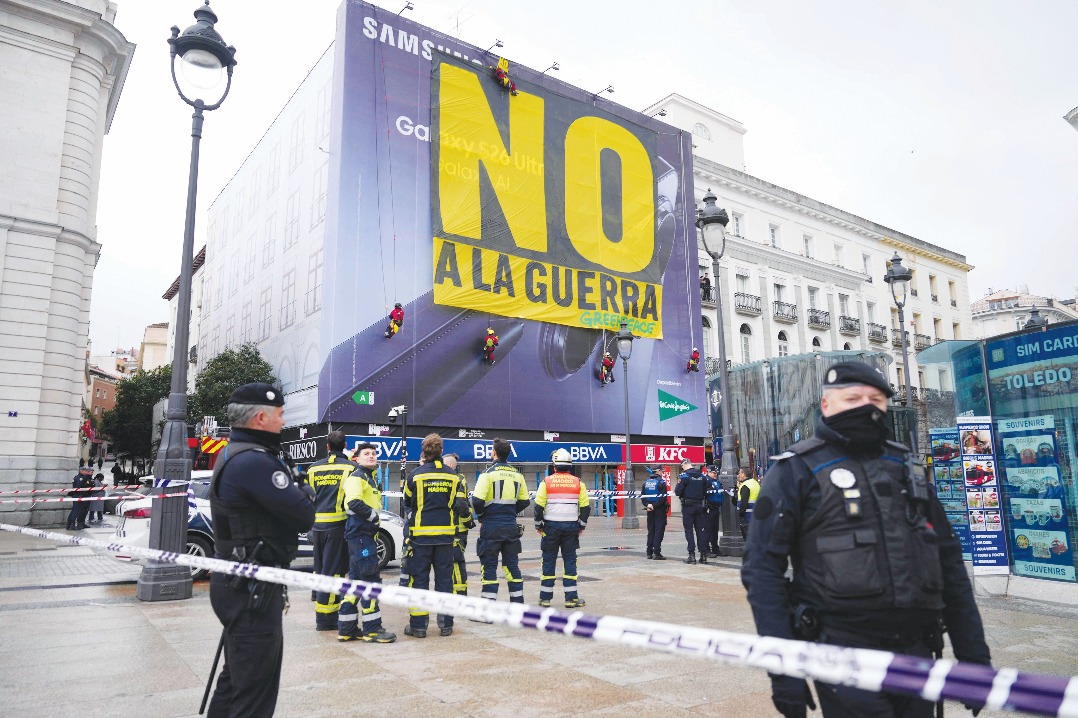
Europe confronts escalating multidimensional challenges as the Middle East conflict expands, creating ripple effects across the continent. Recent US-Israel military operations against Iran have triggered widespread anti-war demonstrations across European capitals, with thousands protesting in London, Madrid, Paris, and Milan against the spreading warfare.
The strategic Strait of Hormuz blockade by Iran in retaliation has severely disrupted global energy markets, with crude oil prices experiencing extreme volatility, reaching nearly $120 per barrel before fluctuating dramatically. European energy security faces immediate threats, with natural gas futures surging over 14% to three-year highs. The continent’s vulnerability to energy supply shocks has been exposed, particularly given its increased reliance on Gulf energy since reducing Russian fossil fuel imports.
Transportation costs are skyrocketing across Europe, with jet fuel prices nearly doubling due to supply disruptions. Motorists face rapidly increasing fuel costs, with German petrol prices reaching their highest levels since May 2024. The economic impact extends beyond energy markets, threatening to exacerbate existing cost-of-living crises.
European leaders demonstrate divergent responses to the crisis. Spanish Prime Minister Pedro Sanchez has taken a firm anti-war stance, denying US access to military bases despite facing trade embargo threats. Other leaders, including UK Prime Minister Keir Starmer and French President Emmanuel Macron, have characterized the US-Israel actions as unlawful while maintaining more cautious diplomatic positions.
The conflict threatens to trigger a refugee crisis of unprecedented scale. The European Union Agency for Asylum warns that displacement of even 10% of Iran’s population would create the largest refugee flow in decades. European nations, already grappling with anti-immigration sentiment, express concern about overwhelmed asylum systems.
European security and economic interests face direct threats, with thousands of European citizens currently in conflict zones requiring evacuation. Multiple EU countries have activated civil protection mechanisms, while France and Britain have deployed naval vessels to the region.
The crisis exposes fundamental tensions in transatlantic relations, with European leaders expressing shock at not being consulted beforehand about US military actions. Analysts suggest the conflict may accelerate Europe’s push for strategic autonomy, though immediate responses remain cautious and measured.