The ongoing Middle East conflict continues to trigger significant disruptions across global energy markets and economic systems. Oil prices experienced renewed volatility with Brent crude surging 1.8% to exceed $85 per barrel and West Texas Intermediate climbing over 2%, reversing Tuesday’s brief stabilization that followed optimistic comments from U.S. leadership regarding conflict resolution.
G7 energy ministers have declared readiness to implement comprehensive measures in coordination with the International Energy Agency to address crude price inflation. The Wall Street Journal reports the IEA has proposed its largest-ever strategic oil reserve release to counter war-driven price surges, with G7 heads of state scheduled to discuss reserve deployments.
Global equity markets displayed divergent trajectories as European indices opened lower with Frankfurt shedding over 1%, while Asian markets rallied strongly with Seoul gaining over 5% and Tokyo advancing 2.9%. U.S. stocks fluctuated throughout Tuesday before closing mostly negative amid persistent uncertainty.
Maritime security concerns intensified as British agency UKMTO reported unknown projectiles striking two cargo vessels near the United Arab Emirates coastline. Simultaneously, Iran sustained offensive operations targeting Gulf shipping lanes and the strategic Strait of Hormuz.
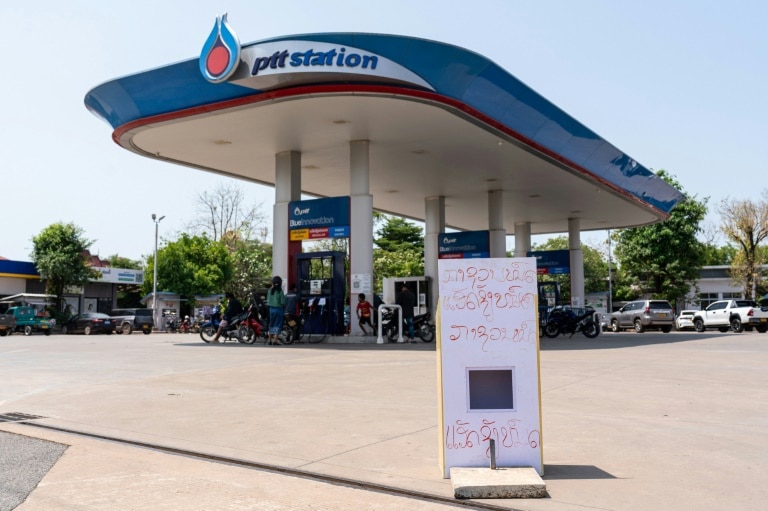
Supply chain disruptions manifested globally with Pakistan experiencing severe fuel shortages causing extensive tanker queues at distribution depots. Saudi Arabia’s defense systems intercepted multiple drones targeting the critical Shaybah oil field in the country’s southeast region.
European Central Bank President Christine Lagarde committed to implementing all necessary measures to control inflation spikes reminiscent of the 2022-2023 crisis, partially attributed to previous geopolitical conflicts.
Confusion emerged regarding Strait of Hormuz navigation after the U.S. Energy Secretary’s quickly retracted statement about naval escorts for oil tankers. Iranian Revolutionary Guards asserted complete control over the strategic waterway, claiming no U.S. naval vessels had approached the region.
The UAE’s massive Ruwais refinery—the region’s largest single-site facility—was temporarily shuttered following drone attacks that caused visible explosions and fires within the industrial complex. Meanwhile, Egypt implemented drastic domestic fuel price increases up to 30% citing extraordinary global energy pressures, while India tightened gas distribution controls amid import disruptions that threaten widespread restaurant closures.