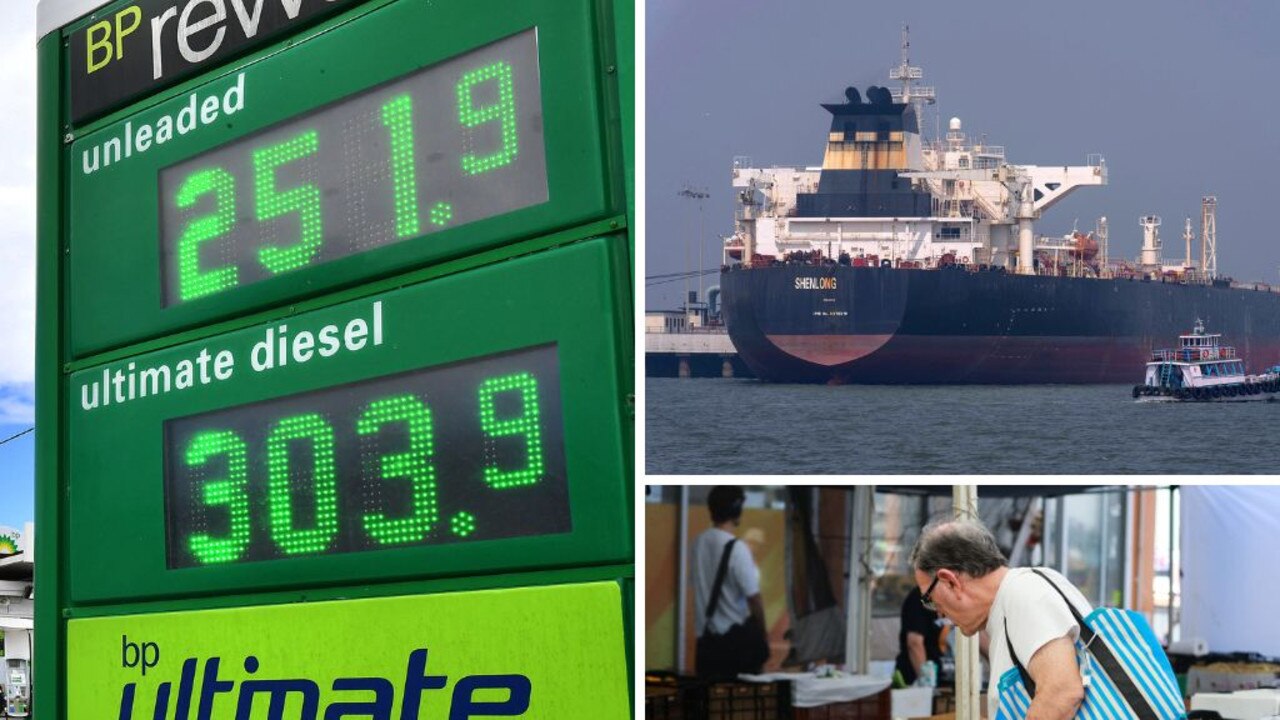
Australia faces a mounting supply chain emergency as geopolitical tensions in the Middle East disrupt global logistics networks, creating ripple effects across multiple sectors of the economy. The effective blockade of the Strait of Hormuz—a critical maritime passage for oil shipments—has triggered a cascading crisis that extends far beyond rising fuel prices.
Agricultural producers are confronting unprecedented challenges with fertilizer costs doubling and diesel shortages jeopardizing critical farming operations. Michael Hampson, CEO of dairy cooperative Norco, issued a grave warning: “The fallout from this event could make COVID appear insignificant by comparison. We’re not discussing toilet paper shortages anymore—we’re confronting genuine food security concerns.” Consumers should anticipate milk price increases of 30-50 cents per liter, with packaging materials derived from fossil fuel resins also facing supply constraints.
The fresh produce and grain sectors report transportation costs from packing facilities to retailers have already doubled. Michael Crisera of Fruit Growers Victoria noted that rising expenses must inevitably be transferred to consumers. Australian Standard White wheat prices have reached a 20-month peak of $259 per metric ton as farmers prioritize diesel conservation for essential machinery.
Australia’s healthcare system faces parallel challenges, with nearly 400 medications currently in short supply—including 37 classified as critical. Pharmaceutical companies are shifting from maritime to air transportation due to shipping disruptions, significantly increasing costs. Dr. Michael Wright of the Royal Australian College of General Practitioners emphasized Australia’s vulnerability due to importing approximately 90% of its medicines while advocating for increased domestic production.
Economic analysts project substantial inflationary pressure, with Westpac modeling indicating headline inflation could reach 5.5% by mid-2026 if disruptions persist. Treasurer Jim Chalmers characterized the situation as potentially rivaling both the Global Financial Crisis and COVID-19 pandemic in economic impact. The Reserve Bank has already responded with a 0.25% interest rate increase as businesses grapple with expiring government energy rebates, elevated borrowing costs, and rising operational expenses.
With oil prices potentially reaching $120 per barrel and requiring up to three years to stabilize, Australians face prolonged economic consequences at supermarkets, pharmacies, and across the broader economy.