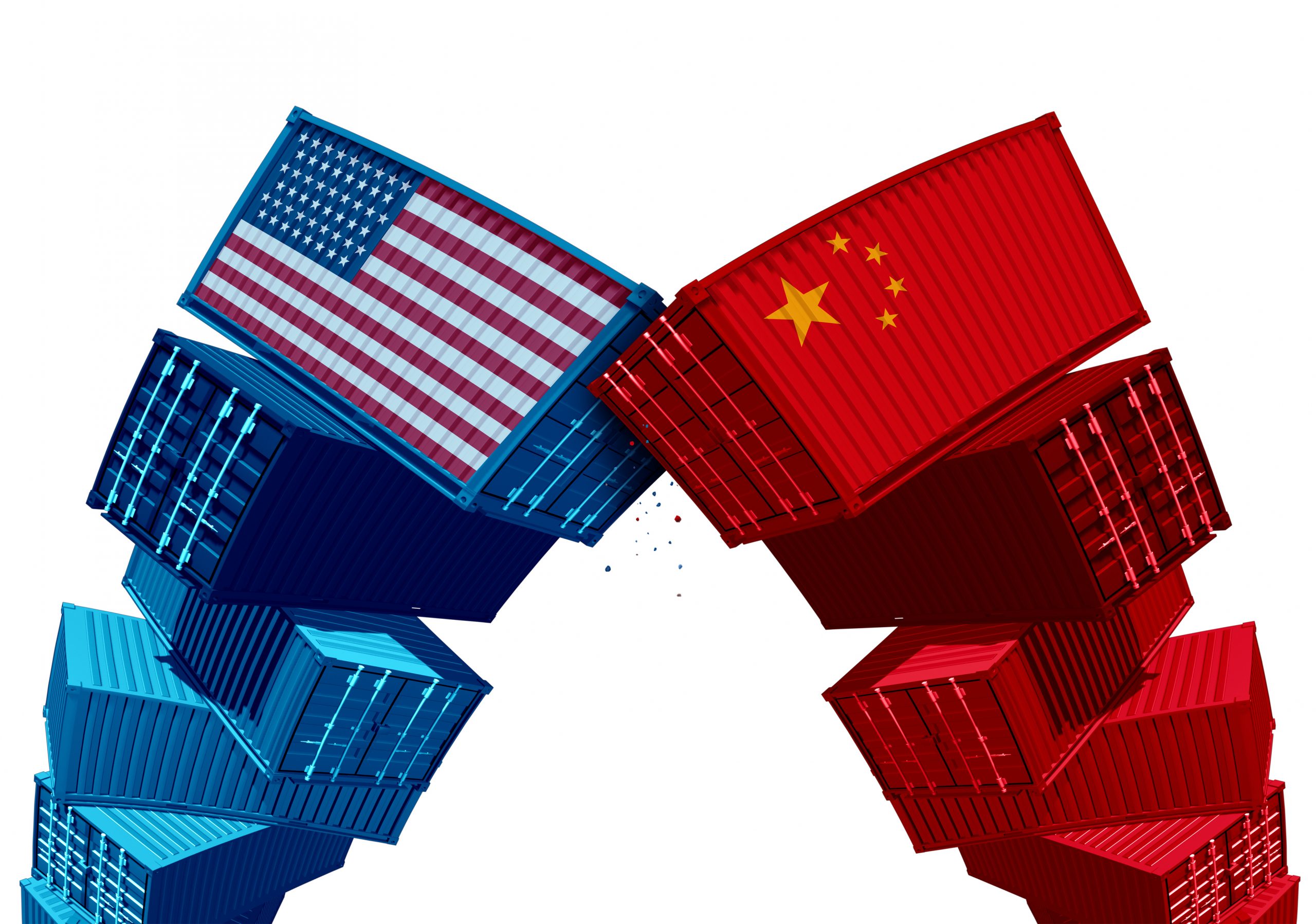
Despite the optimistic developments in US-China trade negotiations, global investors have largely failed to recognize the potential upside. The world’s two largest economies are steadily moving toward a trade settlement that could yield significant benefits for both nations. Treasury Secretary Scott Bessent and Trade Representative Jamieson Greer have been engaged in ongoing discussions with Beijing, with the latest round of talks set to take place in Spain. A reciprocal-tariff truce has been extended to November, and sensitive issues such as technology transfers, industrial overcapacity, and data rules are now being addressed in detail. The US trade deficit with China, which stood at $300 billion last year, has narrowed to $128 billion through July, with officials forecasting a 30% decline by 2025. However, investors remain cautious, holding cash and safe-haven assets as if confrontation is inevitable. This overlooks the mutual incentives driving Washington and Beijing toward accommodation. For the US, easing tariff threats helps contain inflation and provides clarity for American companies. For China, securing reliable access to the US market stabilizes employment and supports tax revenues. A credible trade agreement would offer tangible economic wins for both nations, yet markets have yet to price in the potential benefits. Reduced tariff risks could lower global shipping costs, ease inflationary pressures, and encourage capital spending. Industries such as advanced manufacturing, semiconductors, and rare-earth mining could see positive re-ratings, while Asian economies integrated into China-plus-one supply chains would benefit from increased investment. The cautious response from investors reflects years of confrontation rather than current realities. Evidence on the ground suggests a shift, with rising US core capital goods orders and multinationals planning for a more stable trade environment. ASEAN nations are attracting record foreign investment as production diversifies but remains linked to China. The political symbolism of a deal is also significant, demonstrating pragmatic leadership and competence for both governments. While verification and enforcement of any agreement will be critical, waiting for perfection before reallocating capital is a speculative bet. The next phase of global growth could be built on a pragmatic bargain between Washington and Beijing, offering mutual gains for the world’s two largest economies.