DUBAI – Rising geopolitical conflicts and shipping route disruptions are creating significant upward pressure on global food prices, according to expert analysis presented at Thursday’s Intercontinental Commodity Exchange summit in Dubai. Industry leaders warned that market nervousness is exacerbating inflationary trends despite adequate global grain supplies.
Thierry Beaupied, Vice President of Romania-based Trans-Oil Group, emphasized that psychological market factors are now driving price increases. “Markets are extremely nervous,” Beaupied stated. “Even with sufficient global grain and corn inventories, regional bombings and transport disruptions trigger buying frenzies as purchasers anticipate potential shortages.”
The Black Sea conflict emerged as a primary concern, with climate shocks and damaged Ukrainian energy infrastructure creating additional volatility in grain and vegetable oil markets. Beaupied noted that approximately 60% of global sunflower oil originates from the Black Sea region, maintaining “tight and bullish” market conditions for vegetable oils in the medium term.
For the United Arab Emirates, the challenge centers on price stability rather than physical shortages. The Middle Eastern nation remains generally well-supplied, with vegetable oils primarily sourced from South America. However, intense competition from major buyers including India and Iran continues to support elevated pricing structures.
Logistical complexities are compounding the situation, with many vessels now discharging cargo in India before proceeding to Arabian Gulf ports to optimize freight expenses. This rerouting adds layers of complexity to supply chain management.
Red Sea security concerns are forcing exporters to reconsider traditional trade routes. While Egypt’s grain imports remain relatively unaffected due to their reliance on Black Sea and American sources, exports of processed wheat products to neighboring regions have noticeably slowed.
Mahmoud Kalila, Managing Director of Elementra Commodities in Egypt, revealed that security concerns have prompted investments in alternative logistics infrastructure, including enhanced road networks and proprietary shipping fleets.
The summit also highlighted financial technology’s expanding role in managing cross-border trade risk. Nabeel Ahmed, Managing Director of HexTrust, emphasized the UAE’s critical position as a regional financial hub where efficient payment systems are becoming increasingly vital.
“When wealth moves, money has to move with it,” Ahmed explained. “Regulated digital solutions enable businesses to transfer value within seconds instead of weeks, providing crucial flexibility during periods of market volatility.”
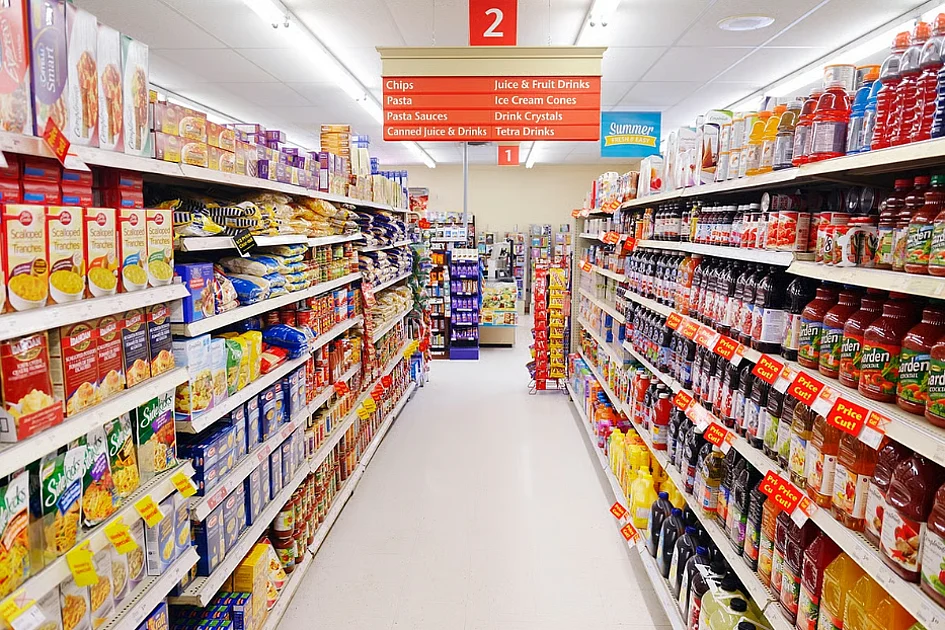
Experts concluded that food security will remain intrinsically linked to geopolitical stability, with UAE consumers increasingly exposed to global market forces that extend far beyond local supermarket shelves.