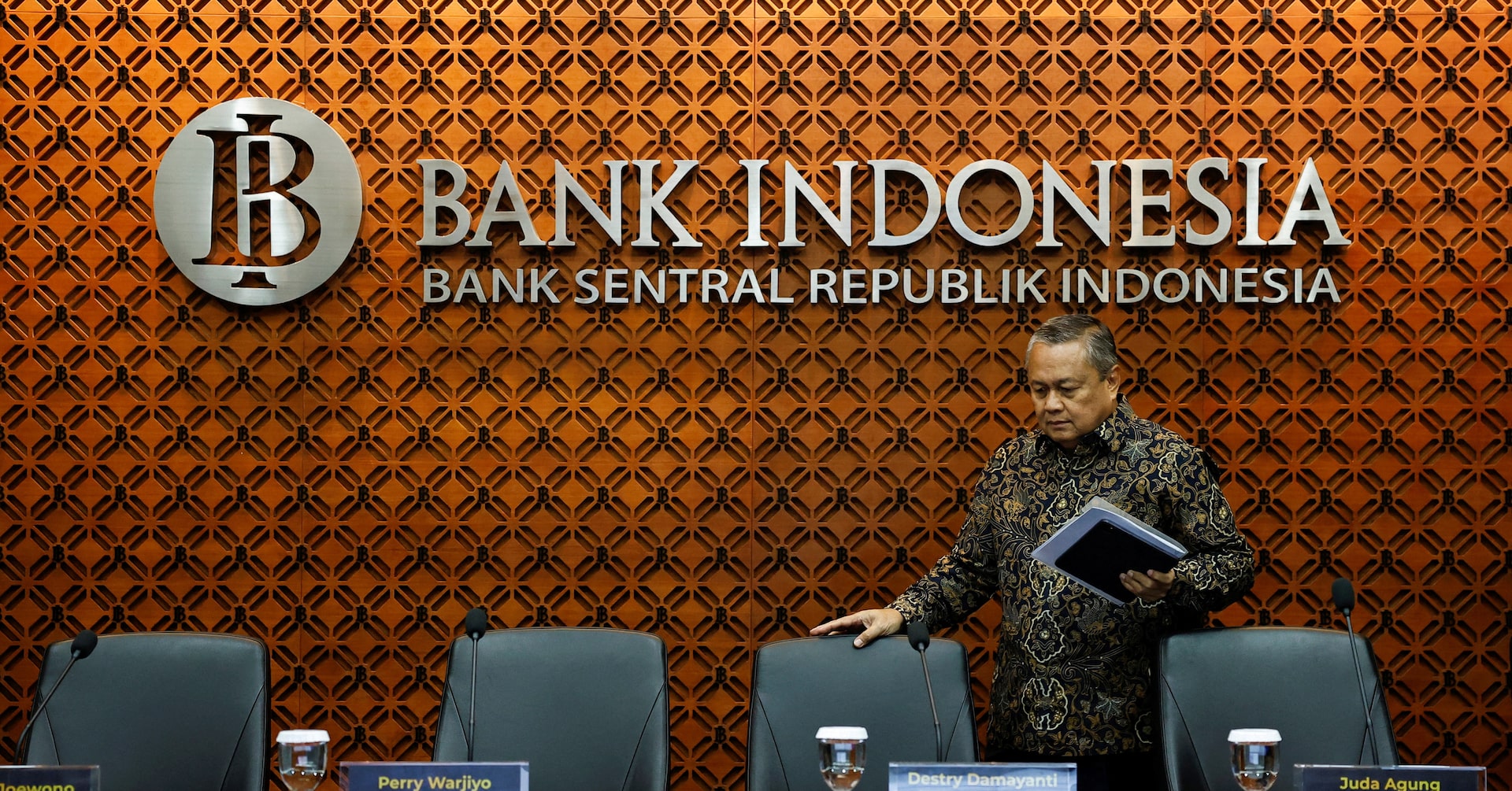
In a move that caught economists off guard, Indonesia’s central bank, Bank Indonesia (BI), slashed its benchmark interest rate by 25 basis points to 4.75% on Wednesday, marking a continuation of its easing cycle that began in September 2024. This decision, which defied the expectations of all 31 economists polled by Reuters, has sparked predictions of more aggressive monetary easing in the coming years. The rupiah responded by falling 0.5% against the U.S. dollar by midday on Thursday, while the stock index (.JKSE) reached a new all-time high, buoyed by positive growth prospects. Governor Perry Warjiyo’s notably dovish tone during the announcement has further fueled speculation of additional rate cuts, with economists now forecasting a median benchmark rate of 4% by 2026. This is a significant shift from the previous consensus of a 4.50% terminal rate by next year. BI’s easing measures, which include liquidity loosening and government bond purchases, aim to stimulate Southeast Asia’s largest economy amid growing concerns about fiscal discipline and the bank’s independence. Analysts highlight the central bank’s ‘all out pro-growth’ stance, with Maybank predicting a further 125 basis point reduction by 2026, bringing the rate to 3.50%. Meanwhile, Barclays anticipates a drop to 4.25% this year, with more cuts likely. The central bank’s decision to deepen the deposit facility rate cut by 50 basis points to 3.75% and reduce the lending facility rate by 25 basis points to 5.50% marks the first ‘asymmetric corridor’ for money market rates since 2016. Citi Research links this move to the government’s policy of transferring over $12 billion from BI to state banks, injecting liquidity into the banking system. As BI collaborates with the government to fund economic programs, the central bank’s commitment to growth remains clear, though the path ahead is fraught with challenges.