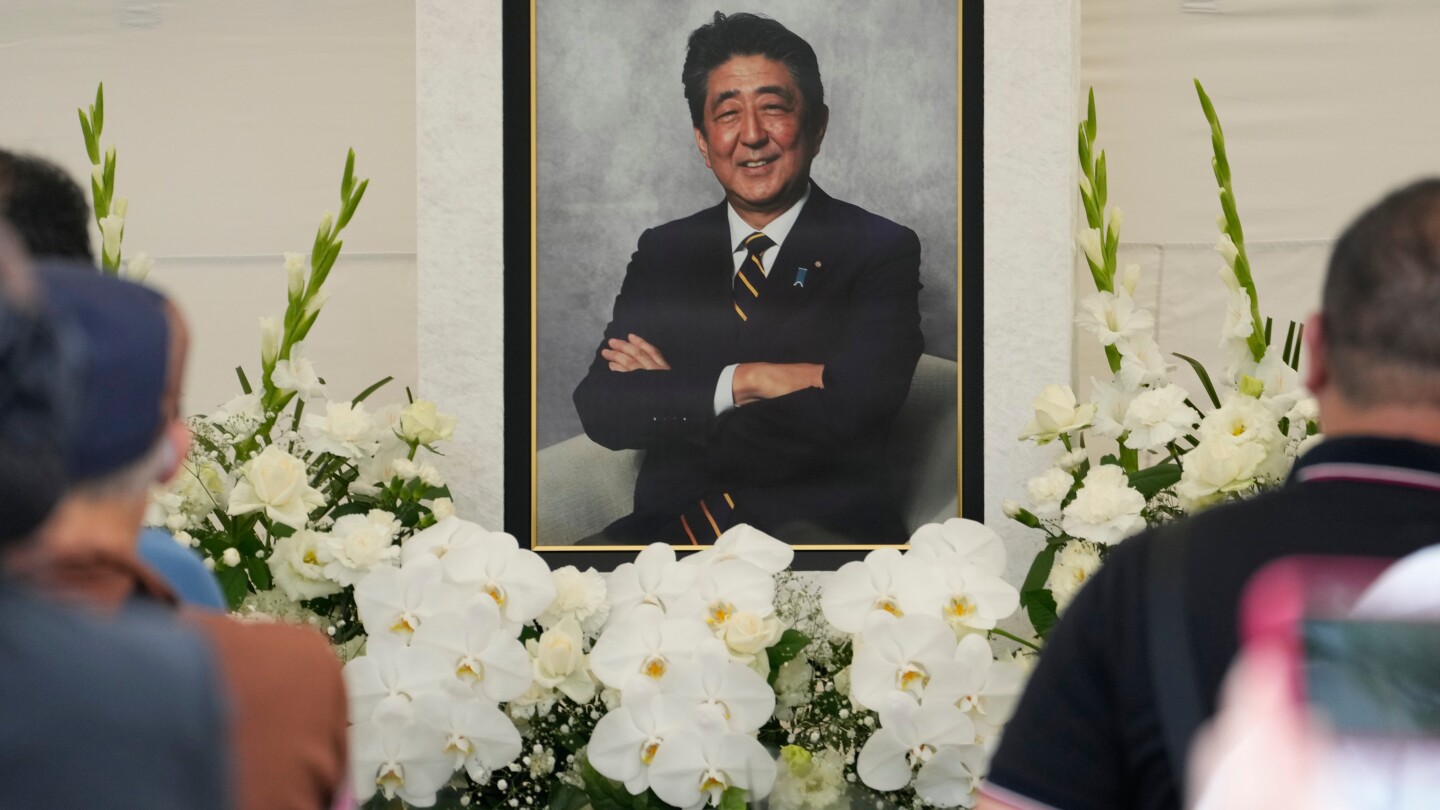
A Japanese court has imposed a life imprisonment sentence on Tetsuya Yamagami, the 45-year-old perpetrator who assassinated former Prime Minister Shinzo Abe in July 2022. The Nara District Court delivered its verdict on Wednesday, aligning with prosecutors’ demands for maximum punishment under applicable statutes.
The courtroom proceedings revealed Yamagami’s meticulously planned attack during Abe’s campaign speech in Nara, where he employed a homemade firearm to fatally strike the prominent statesman. This violent act profoundly shocked a nation renowned for its stringent firearm regulations and generally low incidence of political violence.
Yamagami’s testimony unveiled his underlying motivations, explaining that he targeted Abe after viewing a video message the former leader had sent to an affiliate of the Unification Church. The assailant expressed intense animosity toward the religious organization, claiming his actions aimed primarily to damage the church and expose its deep-rooted connections with Japan’s political establishment.
The trial exposed decades of intertwined relations between the ruling Liberal Democratic Party and the controversial South Korean-based religious movement. These revelations prompted significant political repercussions, including the party’s strategic distancing from the church and subsequent governmental investigations.
These investigations culminated in the revocation of the church’s tax-exempt religious status in Japan and ultimately led to its ordered dissolution. Additionally, the assassination has triggered comprehensive reviews of security protocols for public figures and dignitaries throughout Japan.
While prosecutors sought life imprisonment, defense attorneys advocated for a reduced sentence of no more than 20 years, citing Yamagami’s traumatic childhood as the son of a church adherent. Japanese law permits capital punishment in murder cases, though prosecutors typically reserve this for incidents involving multiple fatalities.
The case has generated unusual public sympathy for Yamagami, with thousands petitioning for clemency and sending care packages to his detention facility. His actions have also spurred legislative changes, including new regulations restricting aggressive donation solicitations by religious organizations.