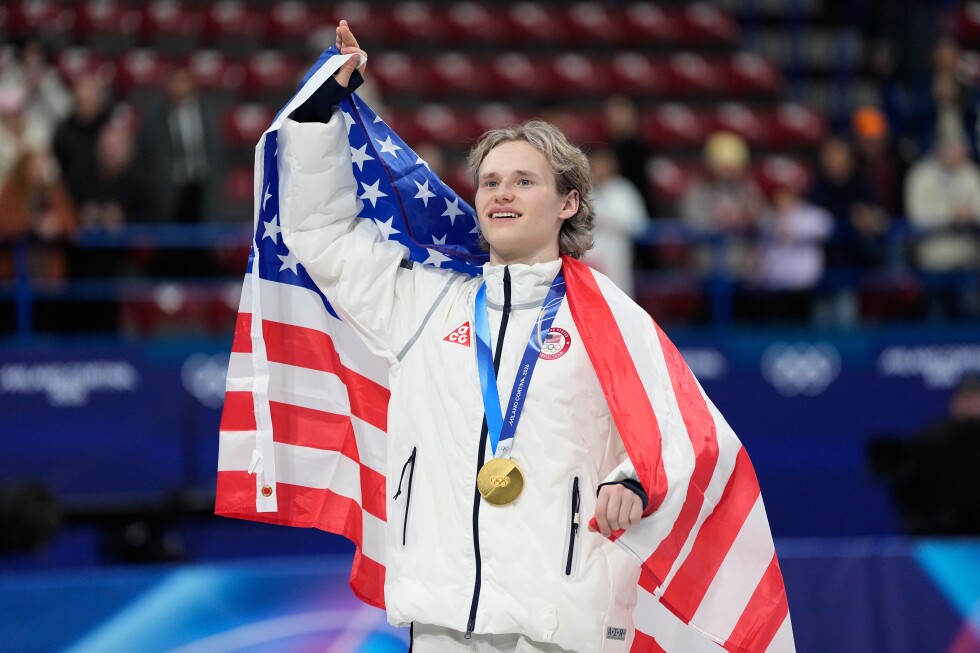
At the Milan Cortina Winter Olympics, American figure skater Ilia Malinin made history by becoming the first athlete to legally execute a one-blade backflip in Olympic competition—a move immediately recognized as a pivotal moment in figure skating. The 21-year-old Virginian, celebrated as the ‘Quad God,’ incorporated this daring element into his gold medal-clinching free skate performance for the U.S. team, earning widespread acclaim for his technical mastery.
However, this athletic breakthrough has ignited complex conversations about recognition, race, and historical credit in the sport. The move Malinin performed is formally known as ‘the Bonaly flip’—named after French skater Surya Bonaly, who first landed the single-blade backflip at the 1998 Nagano Games in deliberate defiance of then-existing bans. While Malinin receives contemporary praise, many observers note that Bonaly—a Black athlete who competed during a less accepting era—faced criticism and point deductions for the identical element.
In an exclusive interview with The Associated Press, Bonaly reflected on the contrasting receptions: ‘I broke ice for other skaters. Now everything is different. People welcome anyone as long as they are good.’ The pioneering skater, now 50, suggested she was ‘born too early’ for her innovations to be properly appreciated during her competitive career.
The historical context reveals deeper layers to this technical achievement. The first Olympic backflip was performed by American Terry Kubicka in 1976 (landed on two blades), prompting an immediate ban by the International Skating Union (ISU) over safety concerns. Bonaly’s rebellious 1998 performance—executed knowing it would cost her points—became an iconic conclusion to her professional journey and cemented her legacy as a barrier-breaking Black athlete in a sport with limited diversity.
The rule change that enabled Malinin’s legal backflip occurred just two years ago when the ISU reversed its long-standing prohibition to increase the sport’s appeal to younger audiences. This regulatory shift allowed Malinin to incorporate the element into competitive routines, culminating in his Olympic triumph.
Social media commentary, particularly from Black observers like TikTok creator Ari Lu, highlights perceived racial double standards: ‘Something a Black person used to be derided for is now celebrated when done by a white person.’ Lu and others argue the skating community owes Bonaly formal recognition and apology for past treatment they view as racially biased.
The ongoing diversity challenges in figure skating provide context to these discussions. While the current U.S. team includes Asian-American representation and LGBTQ+ advocate Amber Glenn, no Black skaters qualified for this year’s Olympic roster—notable given that Starr Andrews, a popular Black skater, placed seventh at nationals. This absence echoes historical barriers faced by pioneers like Mabel Fairbanks (blocked by racist policies in the 1930s) and Debi Thomas (first African American Winter Olympic medalist).
Recent ISU and IOC social media posts have celebrated Bonaly’s legacy, calling her backflip ‘a topic of discussion, awe, and admiration for over two decades.’ However, critics like Lu consider these gestures insufficient without formal acknowledgment of past inequities. Meanwhile, current skaters like Glenn express admiration but caution regarding the element’s difficulty: ‘The thought of practicing it… just scares me.’
The Malinin-Bonaly narrative ultimately transcends a single move, reflecting broader conversations about innovation, recognition, and evolving standards of acceptance in elite sports.