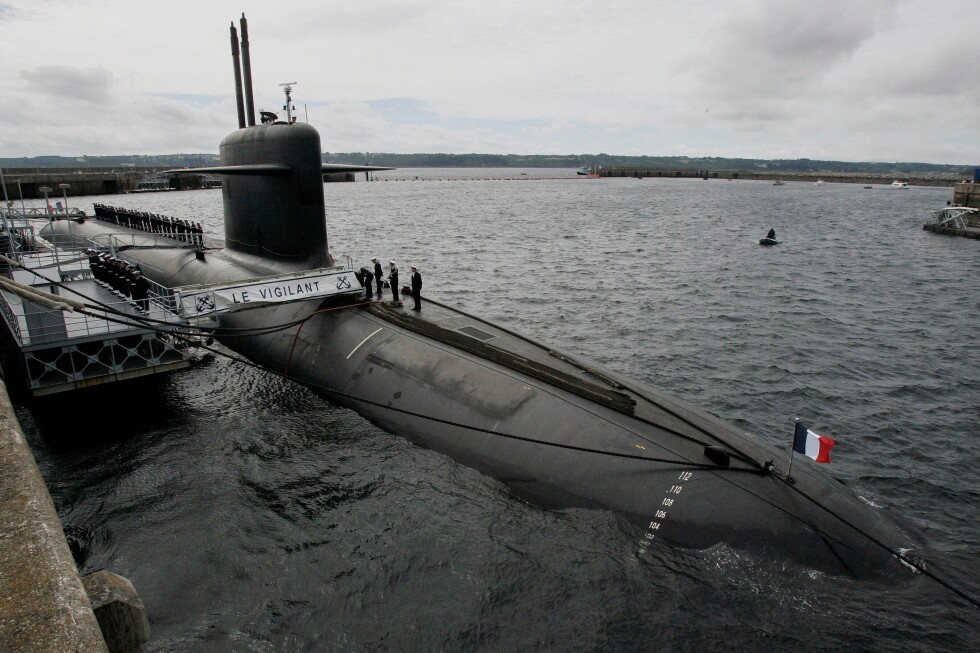
PARIS — In a strategic move reflecting Europe’s shifting security landscape, French President Emmanuel Macron is poised to deliver a pivotal address on France’s nuclear deterrence policy Monday. The speech at the Île Longue submarine base comes amid growing continental anxieties about Russia’s expansionist threats and questions about America’s reliability under a potential second Trump administration.
As the European Union’s sole nuclear power, France faces increasing pressure to clarify its strategic posture. Macron’s address—only his second major nuclear policy speech since 2017—signals profound concerns about technological advancements and geopolitical realignments threatening European security architecture.
The context marks a dramatic evolution from Macron’s previous nuclear doctrine statement in 2020. Russia’s full-scale invasion of Ukraine now entering its fifth year, coupled with Vladimir Putin’s repeated nuclear threats, has shattered previous security assumptions. Simultaneously, China and North Korea continue expanding their arsenals while Russia recently revised its deterrence policy to lower thresholds for nuclear retaliation.
European officials express particular concern about U.S. commitments. Rasmus Jarlov, chair of the Danish parliament’s Defense Committee, articulated widespread doubts: “If things got really serious, I very much doubt Trump would risk American cities to protect European cities.” This sentiment is driving unprecedented nuclear consultations between France and European partners.
Germany has engaged in preliminary discussions about potential nuclear cooperation, with Chancellor Friedrich Merz publicly theorizing about German aircraft potentially delivering French nuclear weapons. Such conversations represent a remarkable shift in European defense dynamics, with nations seeking “a second life insurance” against possible U.S. disengagement, according to Etienne Marcuz of the Foundation for Strategic Research.
France maintains approximately 300 warheads deployed across submarine and air platforms, a number stable since 2008. Macron previously stated this force could inflict “absolutely unacceptable damage” to any nation threatening France’s “vital interests,” which he noted possess “a European dimension.” Nuclear specialists will scrutinize Monday’s address for signals about potential arsenal expansion or clearer commitments to European defense.
The language of deterrence remains deliberately ambiguous, with officials from Macron’s office describing expected “substantial developments” while maintaining strict confidentiality about presidential prerogatives. As Héloïse Fayet of the French Institute of International Relations noted: “There are high expectations about how the French nuclear doctrine could evolve,” particularly regarding “a clearer French commitment to the protection of allies.”