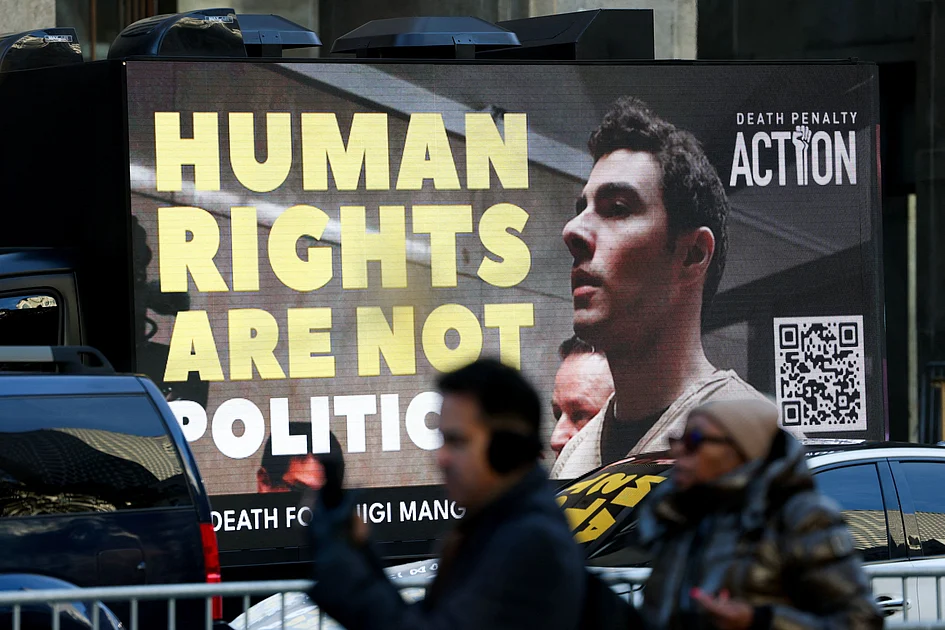
A pivotal legal proceeding commenced Monday in the case against Luigi Mangione, the 27-year-old defendant charged with the assassination of UnitedHealthcare CEO Brian Thompson. The hearings, presided over by Judge Gregory Carro in state court, will determine the admissibility of crucial evidence in Mangione’s upcoming murder trial.
The case stems from the December 2024 fatal shooting of Thompson on a Midtown Manhattan sidewalk, an act that drew widespread condemnation from public officials while simultaneously making Mangione an unlikely folk hero among Americans frustrated with exorbitant healthcare costs. Mangione has entered not guilty pleas to all charges in both state and federal jurisdictions, with federal prosecutors indicating they will seek capital punishment.
This week’s hearings will scrutinize the circumstances surrounding Mangione’s arrest in Pennsylvania, where defense attorneys allege constitutional violations occurred. The defense team is motioning to exclude evidence recovered from Mangione’s backpack—including a 3D-printed firearm, silencer, electronic devices, and journal entries allegedly connecting him to the homicide—claiming it was obtained through illegal search procedures.
Additionally, defense counsel is seeking to suppress statements Mangione made during interrogation, asserting law enforcement failed to properly advise him of his Miranda rights. Prosecutors from Manhattan District Attorney Alvin Bragg’s office have vigorously contested these motions, maintaining the investigation was conducted lawfully.
While Judge Carro dismissed two terrorism charges in September due to insufficient evidence of intent to intimidate insurance workers or influence policy, Mangione still faces second-degree murder charges—which carry life imprisonment for intentional killing—alongside seven weapons possession counts and one false identification charge.
The defendant remains in federal custody in Brooklyn as both state and federal trial dates await scheduling. Outside the courthouse, a small group of supporters demonstrated, including one individual costumed as a video game villain bearing a sign that read, ‘When patients die, profits rise,’ highlighting the polarized public reaction to this case.