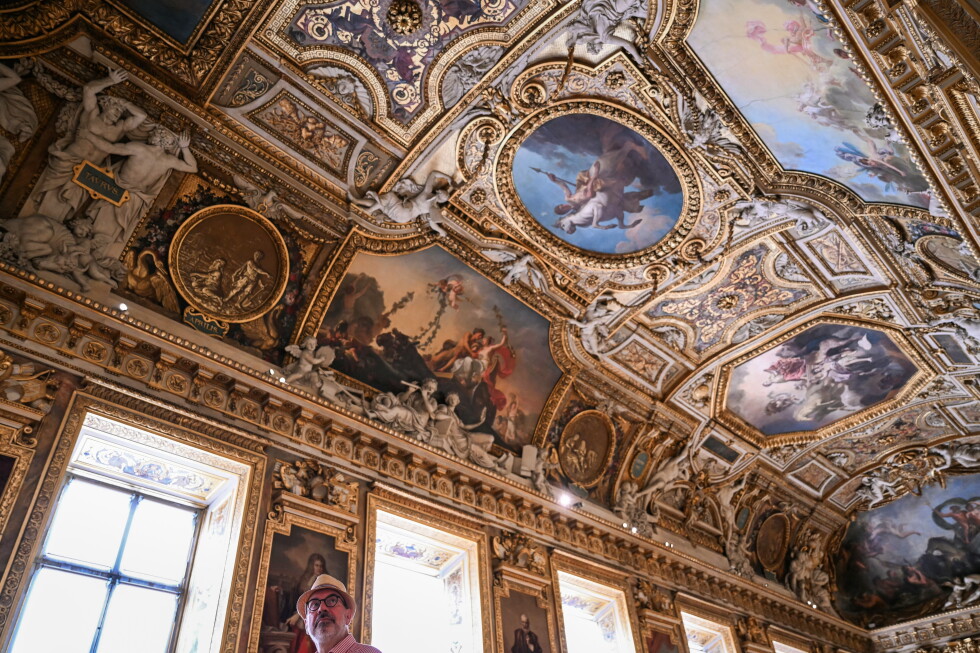
Nearly one year after a brazen daylight heist stole priceless crown jewels worth an estimated 88 million euros, the Louvre Museum’s historic Apollo Gallery has once again opened its doors to visitors from around the world. This reopening marks a dramatic shift in the gallery’s purpose, moving away from its former role as a display space for the French monarchy’s precious gem collections to return to its original 17th-century function as a grand ceremonial hall. All the jewel collections that were previously on exhibit have been permanently relocated ahead of the reopening.
The high-profile heist, which unfolded over a weekend, shocked the global cultural community. Thieves completed their break-in and theft in under eight minutes, forcing entry through a glass window before escaping with the historic artifacts. The audacious crime exposed significant gaps in the museum’s existing security infrastructure, prompting urgent reforms across the institution.
In response to the vulnerabilities revealed by the heist, the Louvre has implemented sweeping security upgrades at the Apollo Gallery. New high-resolution surveillance cameras and advanced anti-intrusion detection systems have been installed across the entire space, forming a layered security network designed to prevent similar incidents in the future.
This security overhaul is not an isolated project, but part of the museum’s ambitious decade-long transformation initiative called the “Louvre New Renaissance” plan. Launched last year with a total projected budget of up to 800 million euros, the initiative aims to comprehensively modernize the museum’s aging infrastructure, reduce dangerous overcrowding in high-traffic wings, and create a dedicated, standalone gallery for Leonardo da Vinci’s Mona Lisa by 2031. Museum leaders frame the reopening of the Apollo Gallery as a key milestone in this multi-year project, balancing the preservation of the Louvre’s historic architectural legacy with the need for updated safety and visitor experience.