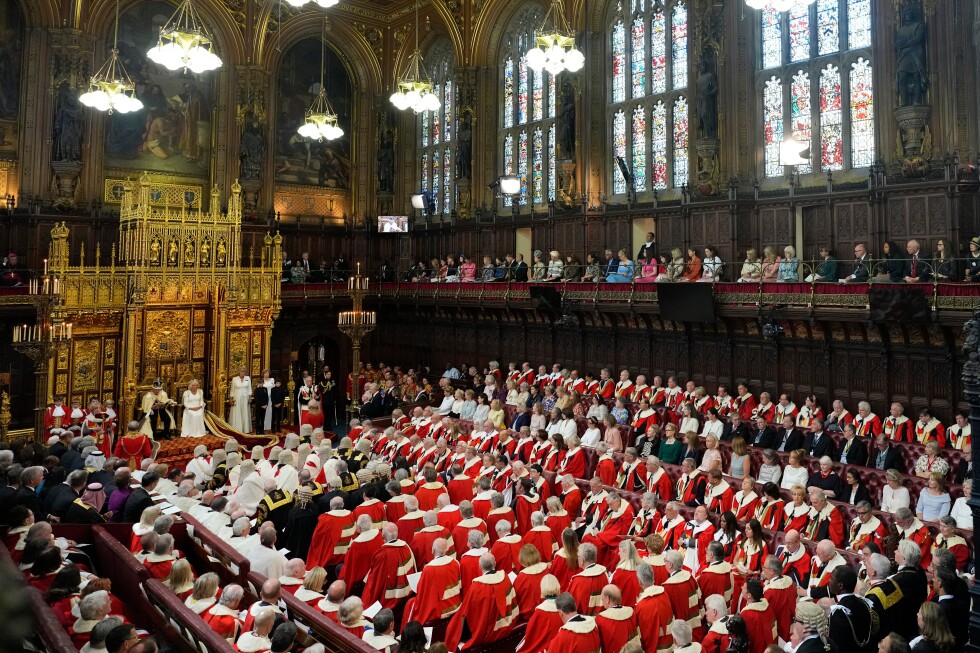
LONDON — In a historic break with tradition, Britain’s Parliament has voted to remove hereditary aristocrats from the unelected House of Lords, ending a seven-century practice of inherited parliamentary power. The upper chamber finally dropped its objections to legislation passed by the House of Commons that will oust dozens of dukes, earls, and viscounts who gained parliamentary seats through aristocratic titles rather than democratic election.
Government Minister Nick Thomas-Symonds hailed the change as eliminating “an archaic and undemocratic principle,” stating that Parliament should be “a place where talents are recognized and merit counts” rather than “a gallery of old boys’ networks” where centuries-old titles override the will of the people.
The move completes a reform process initiated a quarter-century ago by former Prime Minister Tony Blair’s Labour government, which removed most hereditary peers in 1999 but allowed 92 to remain temporarily to avoid rebellion. Prime Minister Keir Starmer’s current Labour administration has now introduced legislation to remove the remaining hereditary members.
The House of Lords, with over 800 members making it the world’s second-largest legislative chamber after China’s National People’s Congress, plays a crucial role in Britain’s parliamentary democracy by scrutinizing legislation from the elected Commons. However, critics have long criticized it as unwieldy and undemocratic.
The chamber’s composition has evolved significantly throughout its 700-year history. Originally dominated by male noblemen who inherited their seats alongside bishops, the Lords began admitting “life peers”—government-appointed retired politicians and notable figures—in the 1950s. These appointed members now constitute the vast majority, with hereditary peers representing roughly one in ten members.
Recent controversies, including the case of Peter Mandelson who resigned from the Lords in February following revelations about his friendship with the late sex offender Jeffrey Epstein, have drawn renewed attention to problems within the upper chamber.
The Lords initially resisted the reform, forcing a compromise that will allow an undisclosed number of hereditary members to remain by being “recycled” into life peers. The legislation will become law once King Charles III grants royal assent—a formality—with hereditary peers exiting at the end of the current parliamentary session this spring.
Opposition Conservative Party leader in the Lords, Nicholas True, acknowledged the end of “well over seven centuries of service by hereditary peers,” noting that while many were “flawed,” most “served their nation faithfully and well” and contributed to thousands of legal improvements.
Looking forward, Labour remains committed to eventually replacing the House of Lords entirely with a more representative alternative second chamber, though historical precedent suggests such fundamental change may proceed gradually.