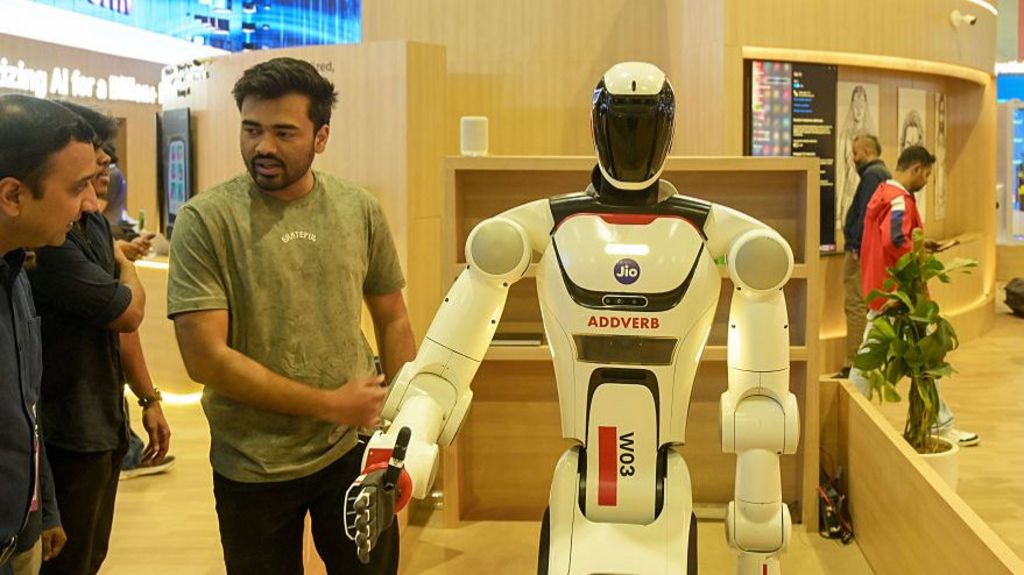
India’s highly anticipated AI Impact Summit, inaugurated by Prime Minister Narendra Modi as a groundbreaking gathering for the Global South, descended into operational disarray on its opening day in Delhi. The event, touted as a historic convergence of global technology leaders including OpenAI’s Sam Altman and Alphabet’s Sundar Pichai, instead became characterized by widespread complaints of organizational failure.
Attendees faced extreme logistical challenges including hours-long security queues, venue overcrowding, and abrupt session closures that left delegates stranded outside exhibition halls. Multiple startup founders reported significant losses, with NeoSapiens founder Dhananjay Yadav alleging theft of proprietary wearable technology from their secured exhibition stall. The situation was compounded by inadequate facilities, with food vendors accepting only cash payments—particularly problematic for international visitors accustomed to digital transactions.
Prime Minister Modi’s opening address emphasized India’s ambition to showcase “extraordinary AI potential and innovation” and develop solutions “not just for India but for the world.” Information Technology Minister Ashwini Vaishnaw similarly highlighted the summit’s mission to evaluate AI’s dual potential for benefit and harm on human society.
However, these aspirations contrasted sharply with on-ground realities. Security sweeps preceding Modi’s appearance triggered full evacuations, while last-minute scheduling changes left speakers uncertain about their session timings. Healthcare AI founder Soumya Sharma noted that despite some excellent technical discussions, operational failures undermined India’s opportunity to present itself as a mature AI ecosystem, observing that “unless we get the basics right, we cannot claim to be utilizing AI to its fullest.”
The disorganization raised questions about India’s capacity to host international technology events of this scale, with many participants expressing frustration over substantial investments in travel and exhibition space that were compromised by poor management. As of reporting time, summit organizers and government authorities had not issued any public response to the widespread criticisms.