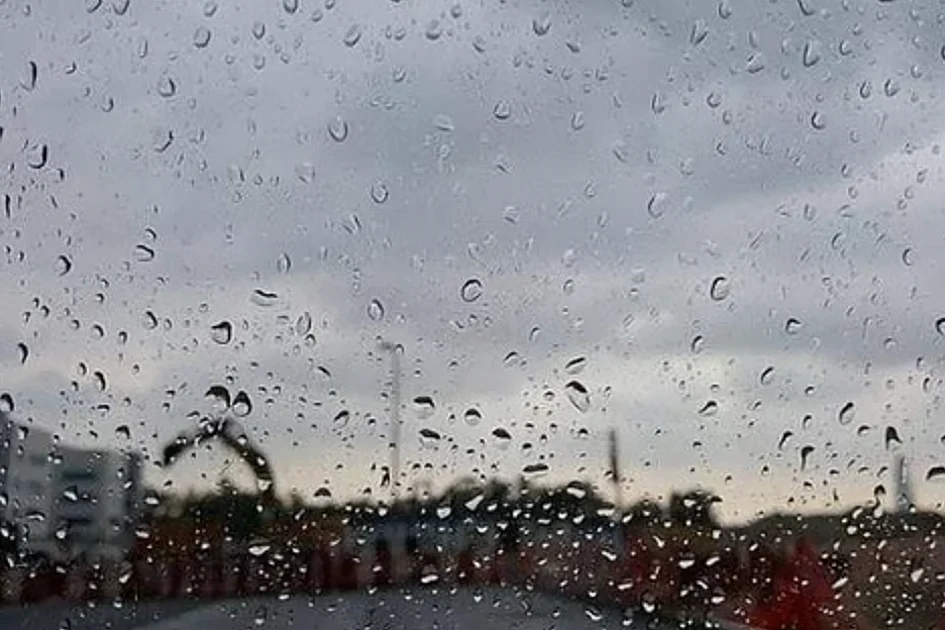
The United Arab Emirates witnessed unexpected light rainfall across Dubai and Abu Dhabi on January 25, 2026, as the region experiences an unusually cold winter period. Meteorological experts confirm this weather pattern forms part of broader global climate phenomena affecting multiple continents.
According to Dr. Mohamed Al Ebri, Director of Meteorology at the National Centre of Meteorology (NCM), temperature fluctuations will continue throughout the winter season, alternating between cold spells and moderate warm periods. The rainfall occurrence had been previously predicted by NCM experts, bringing precipitation to various parts of the country.
Social media channels, particularly the weather handle Storm Centre, documented the rare weather event through multiple videos showing rainfall in urban areas of Dubai and Abu Dhabi. Additional footage captured more substantial precipitation in Khor Fakkan, where waterfalls formed and spilled onto roadways.
The current cold spell represents the season’s most significant temperature drop, with Ras Al Khaimah’s Jebel Jais recording 0.2°C on January 22—the lowest temperature measured this winter. This regional cooling aligns with extensive cold waves affecting numerous countries including the United States, Palestine, China, Saudi Arabia, and Pakistan.
Meteorologists attribute these unusual weather patterns to the combined effects of El Niño and La Niña phenomena. El Niño involves unusual warming of central and eastern Pacific waters, typically bringing increased rainfall to the Americas while causing droughts in Asia and Australia. Conversely, La Niña features cooler-than-normal Pacific waters, often creating dry conditions in the Americas and heavy rains in Asia and Australia. Particularly relevant to the UAE, La Niña can significantly increase the probability of cold air outbreaks across Northern Hemisphere regions.