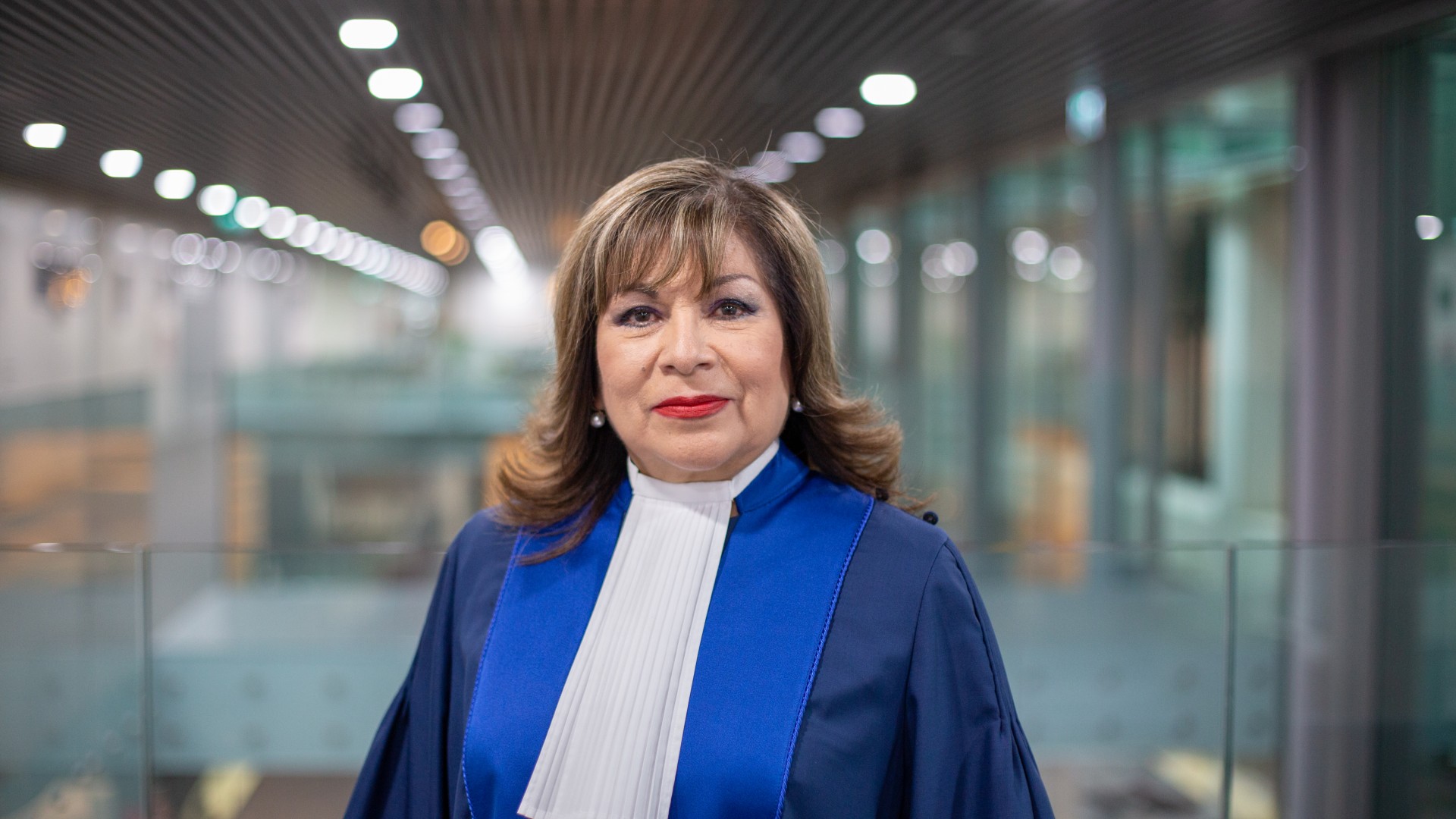
Peruvian Judge Luz del Carmen Ibanez Carranza, a permanent member of the International Criminal Court’s Appeals Chamber since March 2018, has become an emblematic figure in the escalating tension between the ICC and the United States government. Despite a 2021 decision by ICC prosecutor Karim Khan to deprioritize Afghanistan investigations involving US citizens, Judge Ibanez remains among six ICC officials sanctioned by the Trump administration in June for their judicial work.
The sanctions stem from Judge Ibanez’s participation in a 2020 ICC panel that authorized investigations into alleged war crimes committed in Afghanistan since 2003 by multiple parties, including the Taliban, Afghan National Security Forces, and US military and CIA personnel. Notably, the ICC has since issued two arrest warrants specifically targeting senior Taliban leaders for gender-based persecution crimes against humanity.
In an exclusive interview with Middle East Eye during the 24th Assembly of States Parties in The Hague, Judge Ibanez revealed the profound personal and professional consequences of these sanctions. Beyond the intended restrictions on property and travel, the measures have unexpectedly impacted her family—particularly her daughter, whose US visa was abruptly canceled without explanation, hindering her professional activities as an international lawyer.
The practical ramifications extend to daily financial transactions: frozen dollar accounts, canceled credit cards, and restrictions on services including Uber, Western Union, and various digital platforms. Judge Ibanez emphasized that these sanctions represent not merely personal attacks but systematic challenges to judicial independence and the Rome Statute system itself.
Despite these pressures, Judge Ibanez remains resolute, drawing on her 35-year background as a prosecutor in Peru specializing in terrorism and human rights cases. Having previously faced threats during high-profile trials and even an arrest warrant from Russia, she views the US sanctions as confirmation that her work ‘is meaningful for the world.’ The ICC judiciary, she asserts, remains united and undeterred, continuing their mission to combat impunity for international crimes and deliver justice to vulnerable victims worldwide.
The interview concluded with a call for practical support from the European Union and international community, urging action beyond verbal solidarity to protect the ICC’s judicial independence and the integrity of international justice mechanisms.