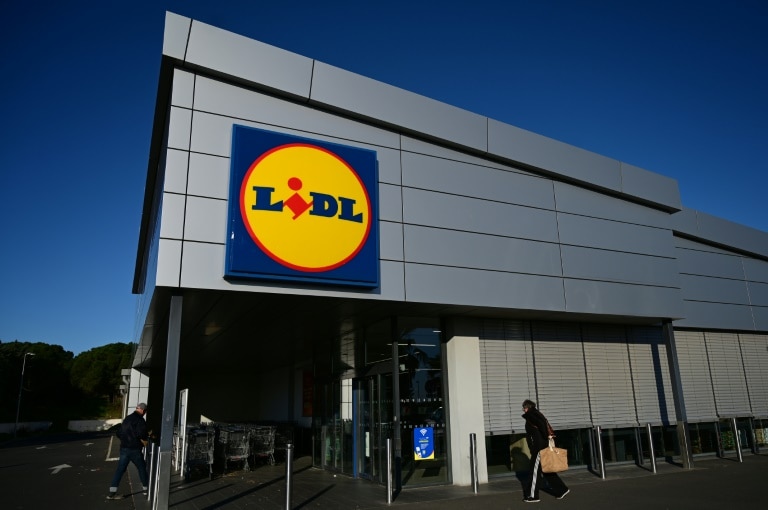
In a seismic shift for French advertising, German discount retail giant Lidl has declared it will completely cease broadcast television advertisements in France. This strategic withdrawal comes as a direct consequence of a devastating legal ruling that found the company engaged in deceptive marketing practices.
The decision follows a Paris appeals court judgment last July that ordered Lidl to pay rival supermarket chain Intermarche a staggering €43 million ($50 million) in damages. The court determined that over 370 television commercials aired by Lidl between 2017 and 2023 were materially misleading to consumers and constituted a severe case of unfair competition. Lidl, currently ranked as France’s sixth-largest food retailer and its second-biggest advertiser across all sectors, is continuing its appeal against this ruling.
Jassine Ouali, Chief Customer Officer at Lidl France, explicitly linked the withdrawal to the heightened regulatory environment. In an interview with trade publication Strategies, Ouali stated, “We will not invest in linear TV for as long as the regulatory risks remain excessively high, which is the situation today.” He further criticized the existing French consumer protection framework, which mandates that promoted products must be available at the advertised price for a minimum of 15 weeks, labeling these rules as “antiquated” and biased in favor of traditional media.
The financial impact of this move is substantial. A company spokeswoman confirmed to AFP that linear television, defined as traditional scheduled broadcast channels, represented 22% of Lidl’s total French advertising expenditure last year. This budget is projected to drop to “zero” by 2026. Ouali issued a stark warning about the broader implications for media financing in France, noting that diverting its massive advertising budget from French broadcasters to global digital platforms like Google, Meta, Netflix, and Amazon could severely disrupt the funding model for the entire national media landscape.