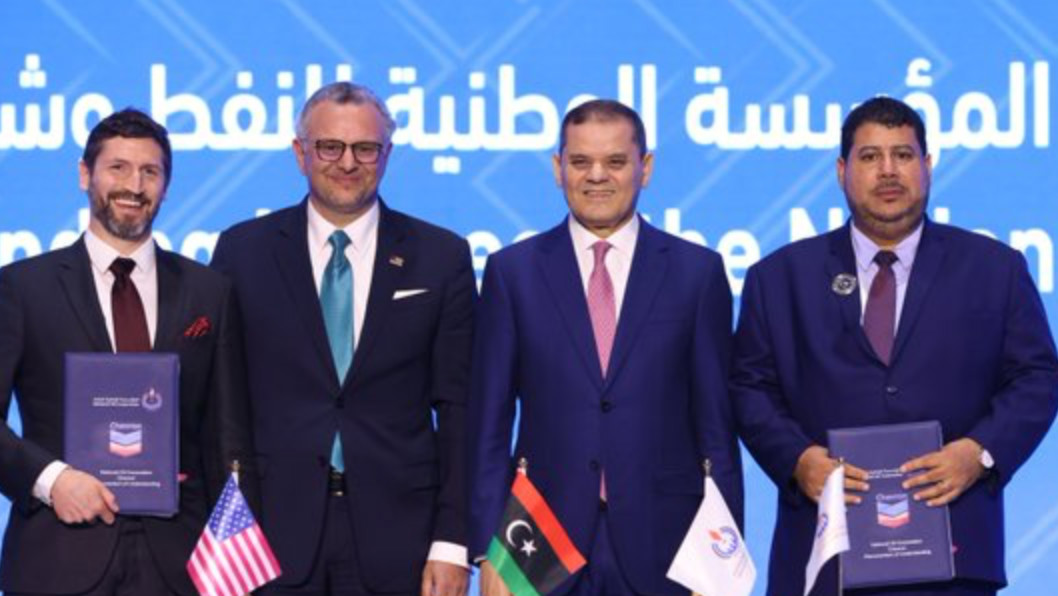
In a significant move to revitalize its energy sector, Libya’s Tripoli-based Government of National Unity has finalized a monumental 25-year oil development pact with global energy titans TotalEnergies and ConocoPhillips. The agreement, signed during an economic summit in the capital, targets a substantial expansion of the Waha Oil Company, a subsidiary of Libya’s National Oil Corporation (NOC).
The cornerstone of the deal is a $20 billion investment package designed to more than double Waha’s current output from approximately 350,000 barrels per day (bpd) to a projected 850,000 bpd. This ambitious plan involves the development of four new oil fields and an extensive exploration program across 19 concession areas. Libyan Prime Minister Abdul Hamid al-Dbeibah heralded the partnership on social media platform X, projecting over $376 billion in state revenue over the next quarter-century and characterizing it as a ‘qualitative and unique achievement’ that strengthens ties with major global energy players.
The signing ceremony also featured a separate logistics and exploration agreement with Chevron and Egypt, underscoring a broader international re-engagement with Libya’s energy wealth. The presence of U.S. Special Presidential Envoy Massad Boulos, whose family connections to former President Trump have drawn scrutiny, lent diplomatic weight to the proceedings. The U.S. Embassy in Libya issued a statement praising the expanded Waha Consortium as evidence of ‘deepening collaboration’ between the two nations.
This massive investment represents a potent vote of confidence in the Dbeibah administration from Western governments and corporations, despite Libya’s protracted political instability. The country, which possesses Africa’s largest oil reserves, has seen international investment dwindle since the 2011 NATO-backed uprising that ousted Muammar Gaddafi. The nation subsequently fractured, with eastern Libya currently under the control of military commander Khalifa Haftar and his sons, who are courting support from various international patrons including the UAE and Turkey.
Analysts note the deals signal a pragmatic shift in the complex proxy conflicts that have defined post-Gaddafi Libya, with foreign governments and local elites increasingly prioritizing economic interests over rigid political alliances. This realignment is further illustrated by Egypt’s engagement with the Tripoli government despite its ongoing disputes with the Haftar family over the latter’s alleged support for the Rapid Support Forces in Sudan.
The involvement of Envoy Boulos has attracted particular attention following previous reports by Middle East Eye and The New York Times concerning discussions about unlocking frozen Libyan assets for U.S. investments and his family’s social connections to figures with interests in the region’s oil sector.