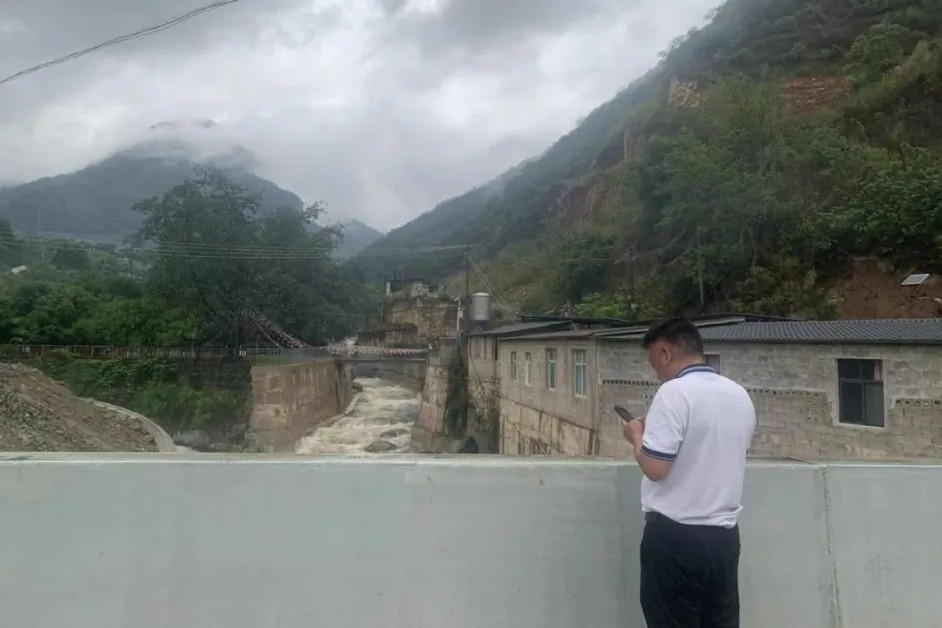
Amid escalating climate volatility, National People’s Congress deputy Zheng Yongguang has outlined a comprehensive strategy integrating artificial intelligence, infrastructure modernization, and public education to bolster China’s disaster response capabilities. The veteran meteorologist’s proposal, designated for priority handling by the NPC Standing Committee, responds to what he characterizes as a “particularly prominent” disaster situation throughout 2025.
Scientific data reveals a significant northward migration of China’s summer rain belt, a trend that intensified dramatically last year. Instead of lingering over the Yangtze River Basin as historically observed, the precipitation system advanced unexpectedly into northern provinces including Hebei, Shanxi, and Inner Mongolia by early July. This climatic shift triggered sustained torrential rains that caused widespread flooding and casualties across northern regions.
Zheng emphasizes that traditional forecasting methods struggle to address the increasing frequency and intensity of extreme weather events. His proposal advocates for substantial investment in three critical areas: advanced research into meteorological mechanisms, modernization of observational infrastructure, and development of AI-enhanced prediction models. The National Development and Reform Commission and China Meteorological Administration are already advancing a national program to enhance short-term forecasting and imminent warnings for extreme weather.
Beyond technological solutions, Zheng highlights the human dimension of disaster preparedness. Following field research in Beijing’s Mentougou district—where elderly residents disregarded flood warnings due to lack of historical precedent—he stresses the necessity of public education to combat overreliance on past experience. The legislator also calls for mandatory safety measures in high-risk tourism scenarios, referencing multiple weather-related accidents on hiking routes and in remote areas.
The proposal extends to specialized meteorological support for emerging economic sectors, including tailored weather services for drone operations in the low-altitude economy and enhanced marine monitoring for ocean-based industries. Zheng’s recommendations follow extensive consultations with meteorological departments across Shandong, Henan, and Xinjiang, alongside engagements with academic and industry stakeholders.
“As China’s economy continues to expand, the demand for sophisticated disaster prevention mechanisms grows correspondingly,” Zheng stated. “Strengthening our meteorological capabilities isn’t merely about weather prediction—it’s fundamental to safeguarding both human lives and the nation’s sustainable development trajectory.”