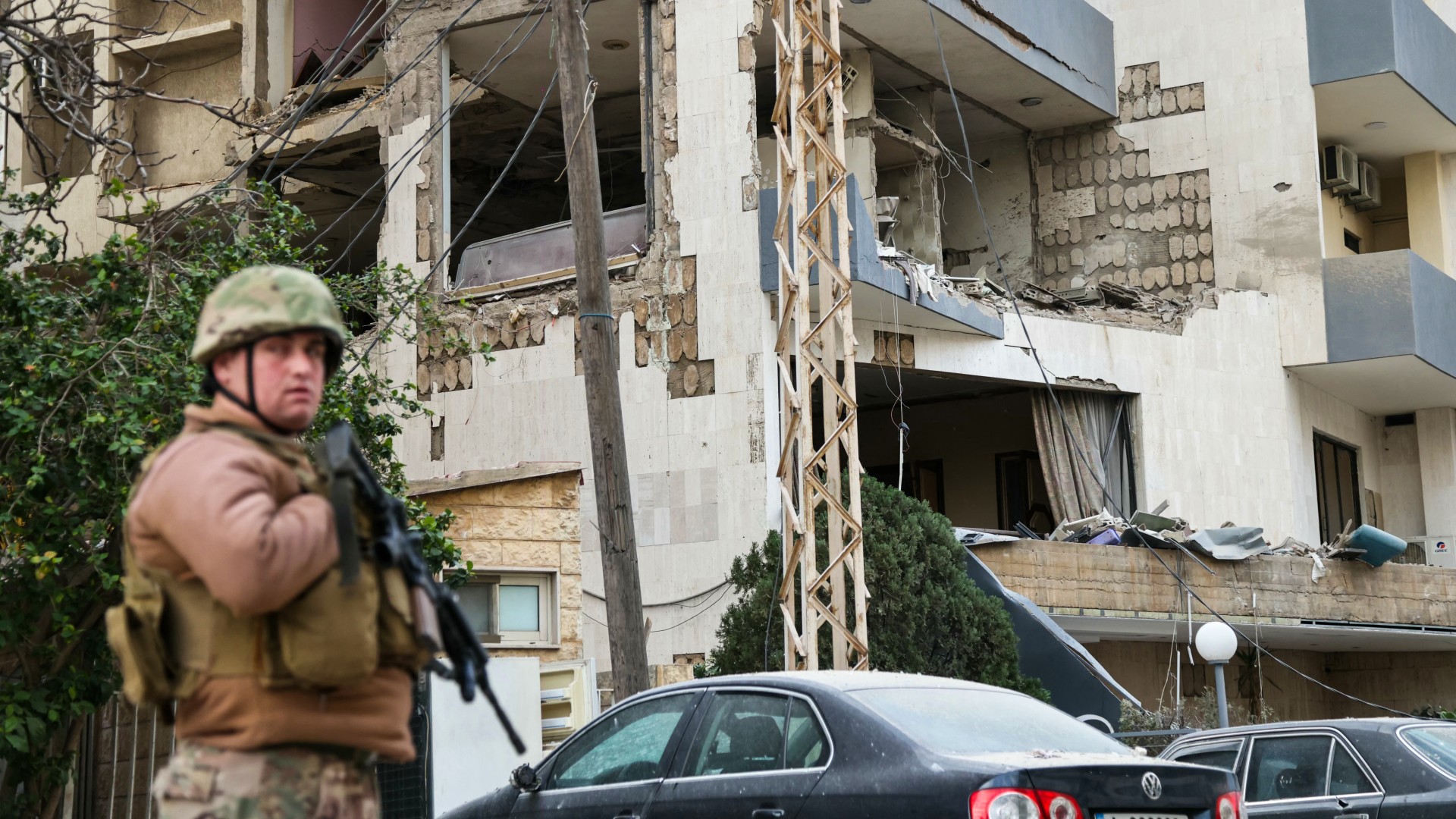
Lebanon faces a critical leadership crisis as Prime Minister Nawaf Salam contemplates dismissing Army Commander Rodolphe Haykal amid fundamental disagreements over confronting Hezbollah during Israel’s ongoing military campaign. The political rupture emerged following Salam’s March 2nd decree prohibiting Hezbollah from military activities, which the Iran-backed group defied by launching attacks against Israel.
The escalating tension reflects a profound transformation in Lebanon’s internal security discourse. Where previous discussions focused on curbing Hezbollah’s military influence, current debates center on whether the national army should forcibly confront the powerful militia. This strategic divergence has created an unprecedented rift between Lebanon’s civilian leadership and military command.
According to senior officials close to the presidential palace, dissatisfaction with General Haykal originates primarily from domestic concerns rather than international pressure. The conflict reached its climax during a recent cabinet meeting where Salam emphasized that the army must adhere to government decisions rather than pursuing independent political assessments. Haykal countered that multiple containment strategies exist beyond direct military confrontation.
President Joseph Aoun intervened to prevent complete breakdown between the government and military leadership, but tensions persist. Haykal’s public statements advocating political solutions over military action have drawn criticism from ministers expecting stricter enforcement of the Hezbollah ban.
The army commander’s caution stems from legitimate concerns that confronting Hezbollah amid Israeli bombardment could shatter Lebanon’s last functional national institution and trigger internal conflict. These concerns were amplified when a military judge recently released three Hezbollah members arrested with weapons, imposing only nominal fines.
Although US officials have increased pressure on Lebanon to enforce the ban, Washington reportedly opposes Haykal’s removal, fearing it would undermine the institution they’ve supported as Lebanon’s stabilizing force. The complex power-sharing system also constraints Salam’s authority, with Parliament Speaker Nabih Berri already publicly defending the military establishment.
The standoff represents more than a personnel dispute—it embodies Lebanon’s existential dilemma: whether to risk self-destruction by forcibly imposing state monopoly on violence during active warfare, or pursue gradual containment through political channels.