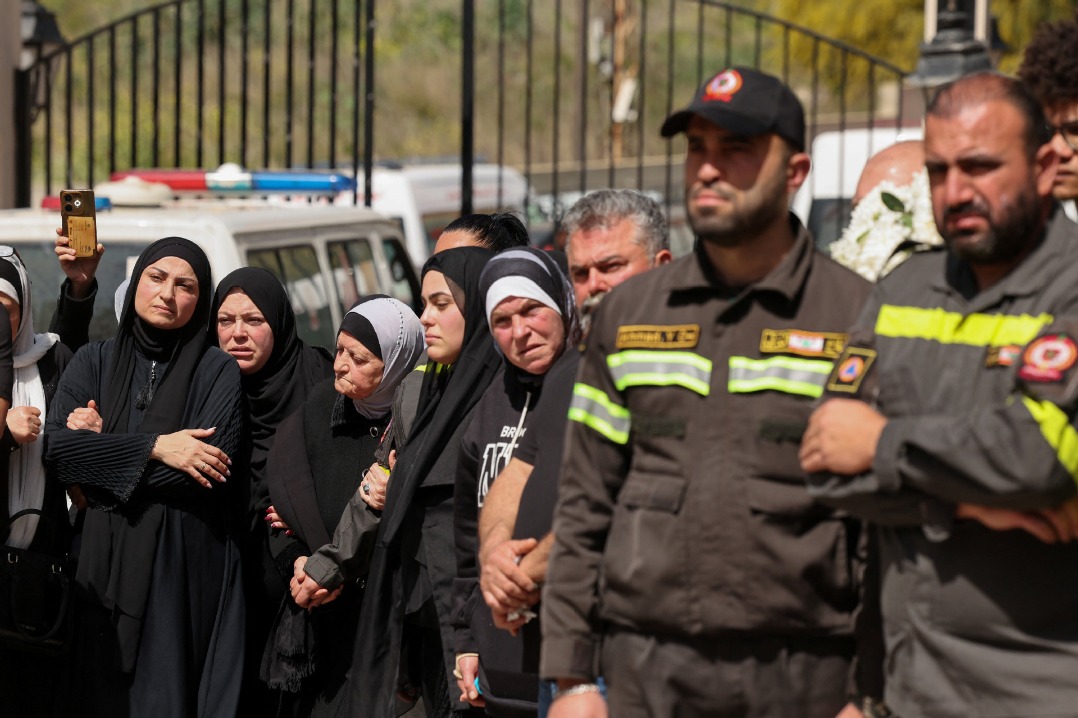
Lebanon faces a devastating humanitarian catastrophe as the nation’s Public Health Ministry confirmed on Thursday that Israeli military operations have resulted in 1,001 fatalities and 2,584 injuries since the conflict escalation began on March 2.
The staggering casualty figures, released by health authorities in Beirut, represent one of the most severe tolls in recent Middle Eastern conflicts. The systematic airstrikes have targeted multiple regions across Lebanon, creating a multifaceted crisis that extends beyond immediate casualties to encompass widespread infrastructure destruction and a collapsing healthcare system.
Medical facilities throughout Lebanon report being overwhelmed by the influx of casualties, with many operating at significantly reduced capacity due to damage from bombardments and critical shortages of medical supplies. The compounding challenges of damaged transportation networks and electricity disruptions have further hampered emergency response efforts.
International humanitarian organizations have raised alarms about the escalating crisis, noting that the actual number of casualties may be higher due to difficulties in accessing conflict zones and documenting victims trapped under rubble. The conflict has displaced approximately 25% of Lebanon’s population, creating a secondary crisis of internal displacement amid the country’s existing economic challenges.
The sustained military campaign represents the most severe escalation between Israel and Lebanon since the 2006 war, with diplomatic efforts to broker a ceasefire thus far proving unsuccessful. The United Nations and several European nations have called for immediate de-escalation and humanitarian access to affected populations.