One of the United States’ most prominent Arab American civil rights and pro-Palestine advocacy organizations is facing cascading calls for its entire leadership to resign, following widespread allegations of long-unaddressed sexual harassment, assault, and a toxic work environment that disproportionately harmed women. Multiple former and current staff, volunteers, and even sitting U.S. Congresswoman Rashida Tlaib have joined the pressure campaign against the American-Arab Anti-Discrimination Committee (ADC), which has already ousted its executive director and a board member in response to the growing scandal.
The crisis erupted into public view on April 25, when all current ADC employees – a group of Arab women – launched an Instagram account to amplify their demands. In their public statement, the staffers emphasized that the organization’s mission is accountable first to the Arab American community that built it, not a small group of entrenched leaders. “No small group of individuals has the right to compromise that mission while expecting staff and community members to absorb the consequences,” the statement read. The group also made clear it stands with more than a dozen women who say they were harmed by leadership failures, including Tlaib, adding: “We believe survivors, and we are committed to ensuring their safety and dignity moving forward.”
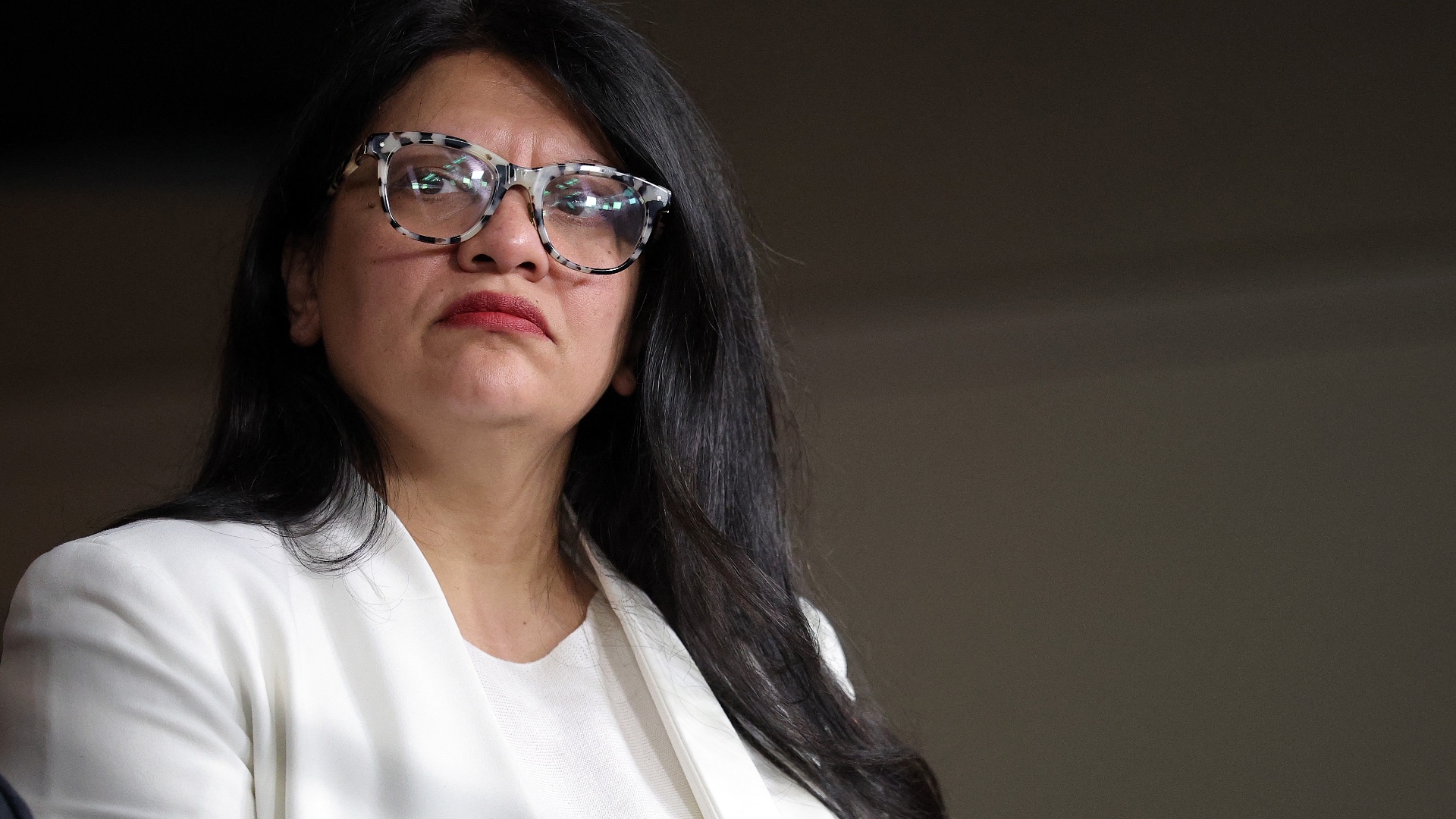
Tlaib, one of the highest-profile Arab American elected officials in the U.S., previously released a video detailing her own experiences with harassment at the organization, as well as accounts from other survivors who reached out to her after she took office. She publicly called on the ADC to remove her official photo from the organization’s website, and specifically named then-national executive director Abed Ayoub as complicit in downplaying reports of misconduct. Within hours of Tlaib’s video being posted, Ayoub was removed from his role and replaced by the group’s national legal director, Jenin Younes. The ADC framed the leadership shakeup as a deliberate shift to prioritize its expanding legal advocacy work, but critics dismiss the move as an insufficient half-measure that leaves the most accused leaders in place.
To date, neither Tlaib nor Ayoub have issued public comment on the allegations, as requests for response from Middle East Eye went unanswered before publication. In an official statement shared to the ADC’s social media channels last Monday, attorneys for board chair Safa Rifka acknowledged past allegations, noting that some reported incidents date back more than a decade, when the group says it previously took corrective action. “Because we recognize that the passage of time does not erase harm, we reiterate our previous apology sincerely and without reservation today,” the statement read, adding that the organization has maintained a zero-tolerance policy for harassment for more than 10 years. The group invited anyone impacted by negative experiences to reach out directly via private message.
But survivors and critics say the apology and limited leadership changes do not go far enough. Multiple women who have accused top ADC leaders of misconduct told Middle East Eye they delayed speaking out for years due to fear of retaliation, compounded by cultural stigma around reporting sexual harm within Arab communities. Documentation reviewed by MEE shows formal written complaints about the workplace culture date as far back as 2006.
Ed Hasan, a long-time ADC donor and governance expert who was invited to join the ADC board last December to help address organizational issues, was fired from his volunteer board role within five months after raising formal concerns about misconduct and governance failures. In an interview with MEE, Hasan called the situation one of the worst cases of institutional dysfunction he has seen in nearly 20 years of work in the field. “Nobody was transparent with me,” he said. “I’ve been doing this for almost 20 years. This is one of the worst cases I’ve seen.”
A demand letter sent to ADC leadership by Hasan’s attorneys alleges his firing was a direct act of retaliation for fulfilling his fiduciary duty as a board member by raising documented concerns about harassment, broken governance rules, conflicts of interest during internal investigations, and a legally flawed confidentiality agreement. The letter characterizes his removal as “procedurally void, substantively baseless, and retaliatory in nature,” and the move puts the organization at risk of a future lawsuit. Hasan also noted that nearly all of the 10-member board are men over the age of 60, most have overstayed their term limits laid out in the organization’s bylaws, and leadership has repeatedly changed bylaws to consolidate power. He added that the ADC has no dedicated human resources team to address workplace complaints, and that the board customarily investigates itself when allegations arise, creating widespread conflicts of interest.
The growing scandal has already sparked backlash from long-time supporters of the organization, with many donors demanding refunds of their contributions in comments across the ADC’s social media platforms. “I can no longer in good faith support this organization. I am shocked at this level of infighting, corruption and lack of accountability… Can someone contact me to issue a refund?” wrote Ali Dabaja, a Lebanese-American physician. Another donor, Rania Masri, added: “I will stop my donation to ADC. Pushing Abed Ayoub out of the organization AND pushing Ed Hassan out of the board and maintains those who are accused of sexual harassment AND maintaining Safa as the board chair – none of these actions bodes well. How shameful.”
Hasan summed up the frustration with the organization’s response, saying: “They don’t respect women. They really don’t. I get the culture stuff, but this is ADC. It’s a firm. It’s an organisation to help people.”
Founded to combat anti-Arab discrimination in the U.S., the ADC has grown into one of the nation’s largest pro-Palestine advocacy groups, particularly since the October 7, 2023 attacks on Israel and the subsequent Israeli military campaign in Gaza that has killed more than 72,000 people. Since the start of the second Trump administration in January 2025, the group has also taken on high-profile legal work defending Arab Americans’ free speech rights, and launched a hotline for community members targeted for harassment or detention by federal immigration officials.