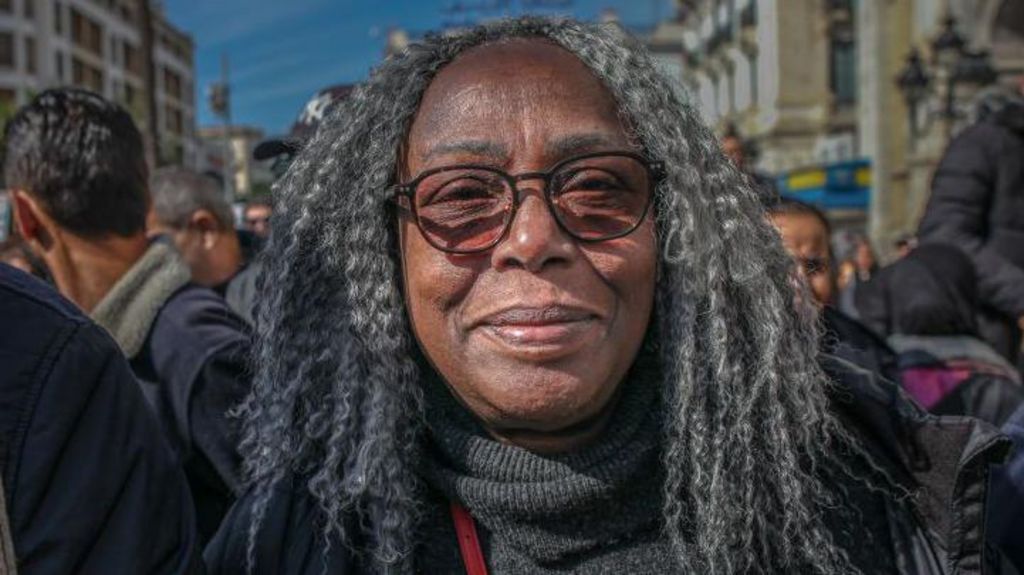
In a landmark ruling that has drawn international condemnation, a Tunisian court has imposed an eight-year prison sentence and a substantial $35,000 fine on prominent human rights defender Saadia Mosbah. The 66-year-old leader of the anti-racism organization Mnèmty was convicted on charges of money laundering and illicit enrichment following her arrest in May 2024.
This case emerges against the backdrop of President Kais Saied’s controversial 2023 speech characterizing sub-Saharan migrants as “hordes of illegal migrants” posing demographic threats. Mosbah had been among the most vocal advocates for migrant rights in Tunisia prior to her prosecution.
Legal representatives for Mosbah, including attorney Hela Ben Salem, characterized the verdict as “a major shock” and part of a systematic campaign to dismantle civil society organizations. The sentencing extends beyond Mosbah herself—her son received a three-year prison term, while another activist was sentenced to two years imprisonment.
International human rights organizations, including the Observatory for the Protection of Human Rights Defenders and the World Organisation Against Torture, had urgently appealed for Mosbah’s release ahead of the verdict, citing concerns about her age and health conditions.
The prosecution occurs alongside increased governmental restrictions on non-governmental organizations. Authorities suspended operations of several prominent civil society groups last year, including the Tunisian Forum for Economic and Social Rights and the Association of Democratic Women, citing financial audits related to foreign funding.
This crackdown on civil liberties coincides with Tunisia’s evolving role as a major transit point for African migrants attempting to reach European shores. In response to mounting migration pressures, Tunisian authorities have implemented stricter security measures and intensified deportations of irregular migrants.
Human rights organizations warn that these developments signal a dangerous contraction of democratic space and independent advocacy in the North African nation, particularly concerning humanitarian work and migrant protection services.