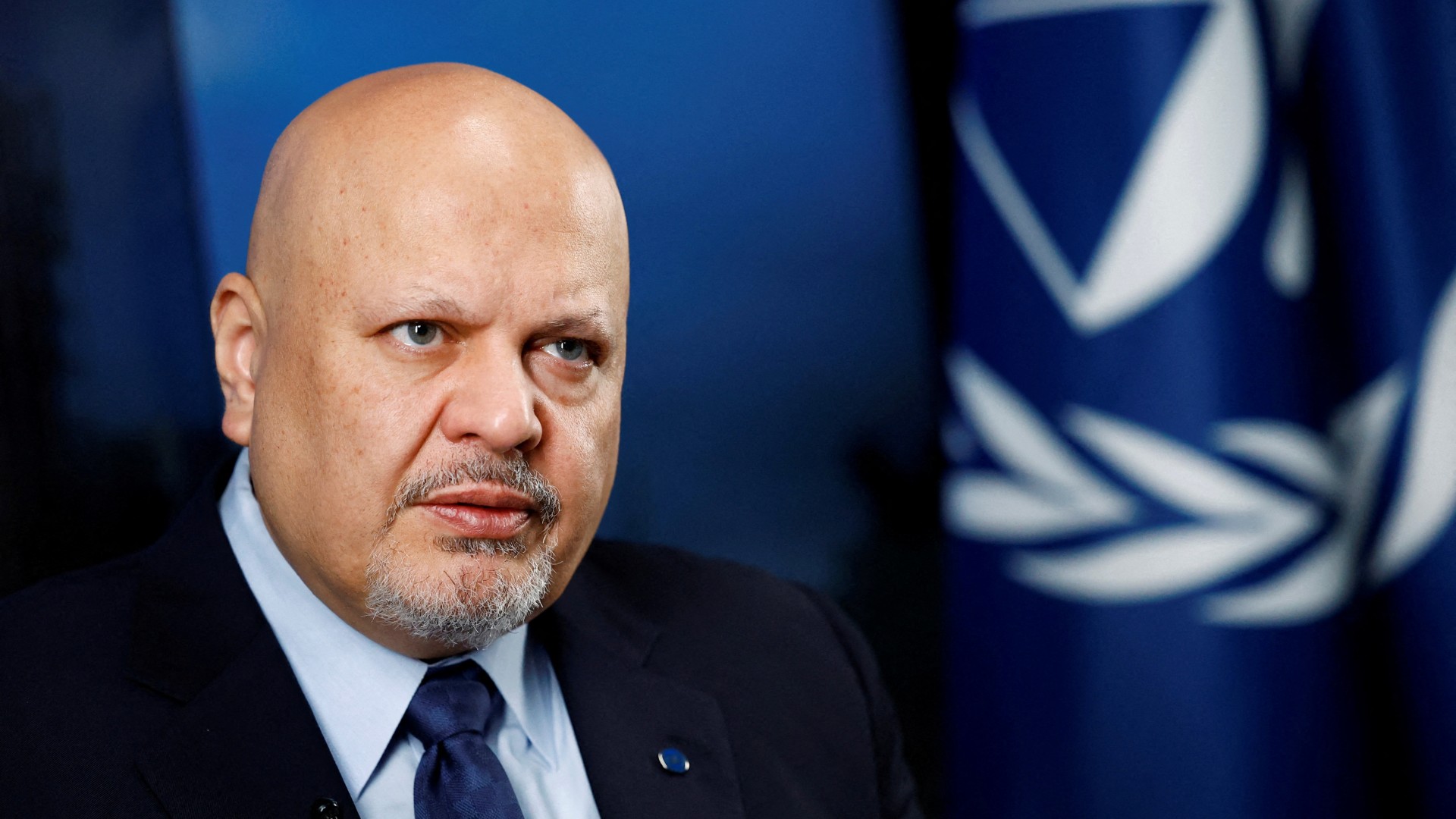
A significant majority within the International Criminal Court’s executive leadership has moved to endorse judicial findings exonerating Chief Prosecutor Karim Khan of misconduct allegations, according to diplomatic sources cited by French publication Le Monde. This development follows an extensive UN investigation into alleged sexual misconduct that failed to establish any breach of duty by the prosecutor.
The three-judge panel, commissioned by the Assembly of States Parties (ASP) bureau, concluded that evidence presented by the UN’s Office for Internal Oversight Services (OIOS) was insufficient to support misconduct claims under the rigorous ‘beyond reasonable doubt’ standard. The judicial review criticized the OIOS investigation for lacking conclusive factual determinations and failing to assess evidence reliability adequately.
Despite this judicial clearance, a minority faction within the 21-member ASP bureau continues advocating for disregarding the panel’s findings and conducting independent assessments. This internal division emerges against the backdrop of Khan’s controversial pursuit of arrest warrants against Israeli officials, including Prime Minister Benjamin Netanyahu and former Defense Minister Yoav Gallant, for alleged war crimes in Gaza.
The timing of these proceedings has drawn scrutiny from international observers, with some diplomatic sources questioning whether Khan has received fair treatment throughout the process. One source anonymously noted that the entire affair appeared ‘designed to put the prosecutor under the guillotine.’
Legal experts have warned that dismissing the judicial panel’s conclusions risks undermining the ICC’s institutional credibility and the rule of law principle. Sergey Vasiliev, an international criminal law specialist, emphasized that disregarding unanimous judicial findings simply because they contradict certain states’ expectations would create dangerous precedents.
The controversy has intensified amid external pressures on the court, including financial sanctions and visa restrictions imposed by the Trump administration against Khan, his deputies, and several judges involved in the Israel-Palestine investigation. The ASP bureau faces an April 8 deadline to reach a final decision regarding the misconduct allegations.