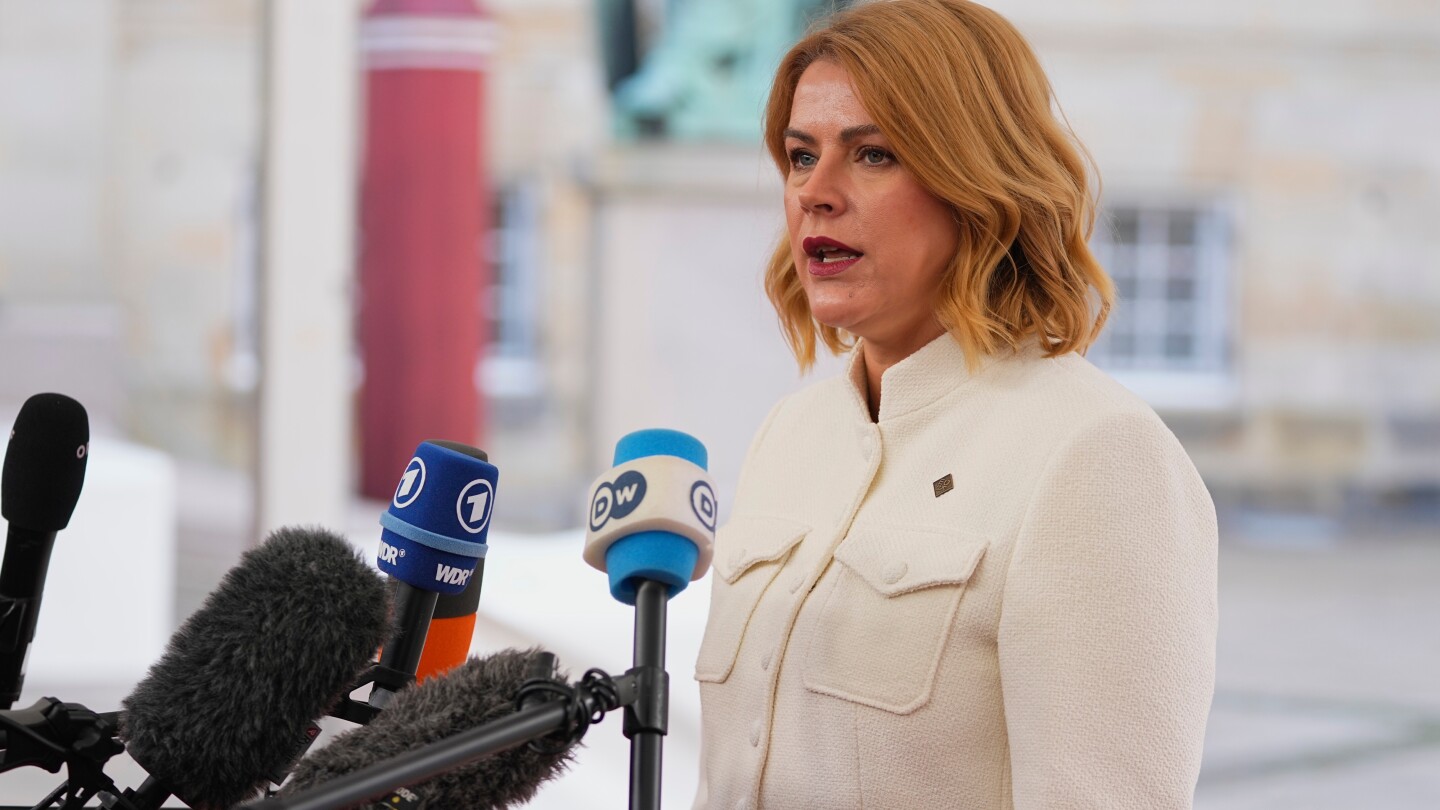
In a contentious decision, the Latvian Parliament voted on Thursday to withdraw from the Istanbul Convention, a landmark treaty designed to protect women from violence, including domestic abuse. The vote followed a grueling 13-hour debate, marking a significant shift in Latvia’s stance on gender-based violence. The treaty, which came into force in Latvia in 2024, aimed to standardize support for victims of violence across Europe. However, it has faced fierce opposition from ultra-conservative groups and political factions, who argue that it promotes ‘gender ideology,’ encourages sexual experimentation, and harms children. The push to withdraw began in September, spearheaded by opposition lawmakers and supported by the Union of Greens and Farmers, a member of the tripartite governing coalition. Prime Minister Evika Siliņa, whose government initially pledged to ratify the convention, condemned the move, calling it ‘cruel’ and a betrayal of victims seeking help. The decision has exposed fractures within the governing coalition ahead of the 2026 parliamentary elections. Critics, including international women’s rights organization Equality Now, warn that the withdrawal endangers women in Latvia and emboldens anti-human rights movements across Europe and Central Asia. Public reaction has been polarized, with around 5,000 people protesting against the withdrawal in Riga, while a smaller group rallied in support. The law now awaits review by President Edgars Rinkēvičs, who may return it to Parliament or, in rare cases, call for a referendum.