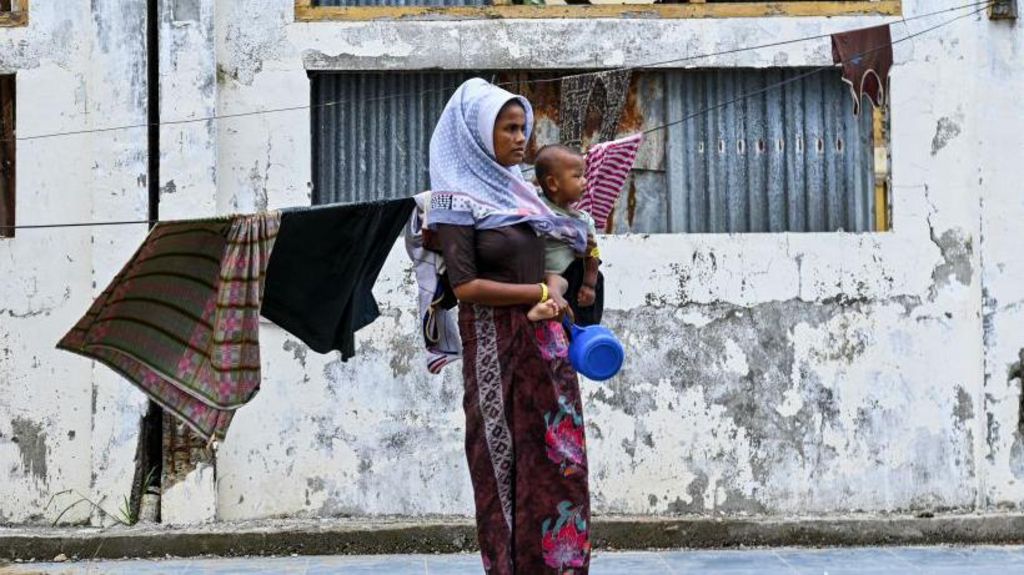
The International Court of Justice (ICJ) has commenced landmark proceedings in a case alleging Myanmar’s systematic campaign to eradicate the Rohingya Muslim minority through genocidal policies. The Gambia, representing the Organization of Islamic Cooperation, initiated the legal action in 2019 following extensive evidence of atrocities committed during Myanmar’s 2017 military crackdown that forced over 700,000 refugees into Bangladesh.
During opening arguments, Gambian Foreign Minister Dawda Jallow presented evidence of “the most brutal and vicious violations imaginably inflicted upon a vulnerable group,” detailing decades of persecution followed by coordinated military operations. Jallow asserted that Myanmar’s leadership implemented “continual genocidal policies meant to erase their existence” despite international condemnation.
The case represents the first genocide proceeding at the ICJ in over a decade and establishes potential precedents for ongoing international justice cases. While Myanmar maintains its operations targeted insurgent threats, a comprehensive 2018 UN report recommended genocide investigations against military leaders for crimes in Rakhine state.
The hearings will continue through month’s end with three days of closed testimony from Rohingya survivors. A final ruling may require years, though the court’s opinion carries significant weight within international institutions. Parallel investigations by the International Criminal Court are examining individual culpability of military leaders, including current ruler Min Aung Hlaing.
The proceedings occur against Myanmar’s deteriorating political situation following the 2021 military coup that deposed civilian leader Aung San Suu Kyi, whose international reputation diminished after she defended the military’s actions against the Rohingya.