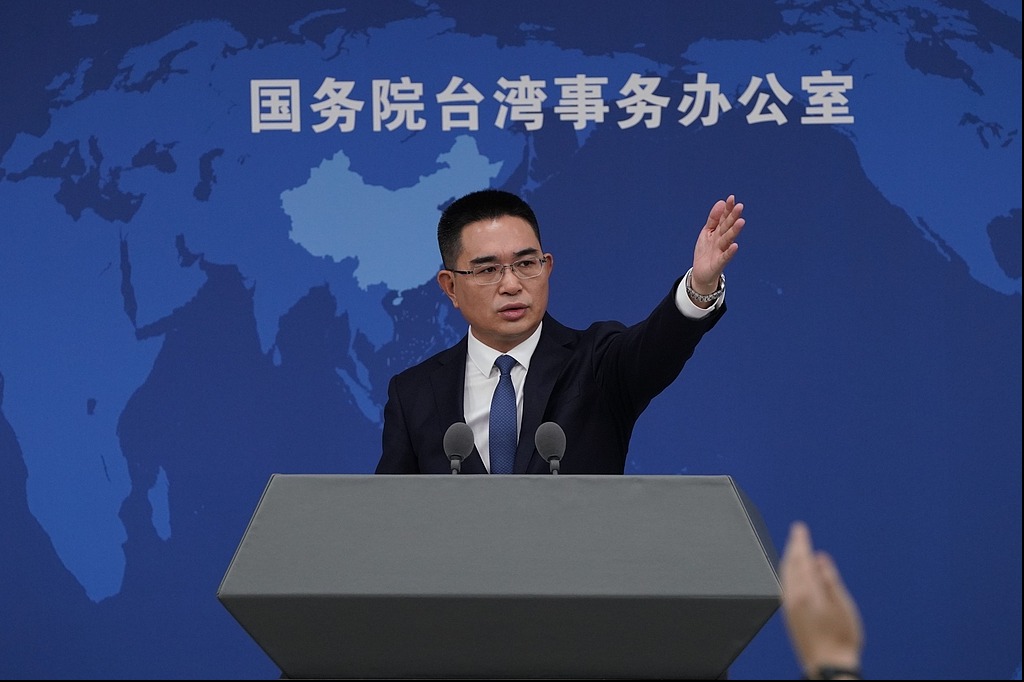
A senior Chinese official has vehemently denounced Taiwan leader Lai Ching-te’s New Year address, characterizing it as a dangerous propagation of separatist ideology that threatens regional stability. Chen Binhua, spokesperson for China’s State Council Taiwan Affairs Office, issued a formal rebuttal on Thursday in response to what he described as Lai’s inflammatory rhetoric.
The controversy centers on Lai’s speech which emphasized Taiwan’s perceived need to enhance its defensive capabilities against what he termed ‘China’s expansionist ambitions.’ Chen systematically dismantled these assertions, accusing the Taiwanese leader of fabricating narratives, promoting hostility, and repackaging outdated separatist doctrines. The spokesperson characterized Lai’s address as not merely political discourse but an active incitement of cross-strait confrontation.
Chen’s statement highlighted several critical concerns regarding Lai’s administration. He accused the Democratic Progressive Party authorities of disregarding Taiwanese public opinion, escalating military tensions, and misallocating public resources toward what he called ‘preparation for war for independence.’ Furthermore, Chen criticized what he described as authoritarian governance practices that suppress democratic freedoms on the island.
The spokesperson particularly condemned Lai’s administration for seeking international support for separatist agendas, warning that such actions fundamentally compromise the interests of Taiwanese citizens and businesses. Chen emphasized that regardless of political maneuvers, Taiwan remains an inseparable part of Chinese territory, and any movement toward independence remains historically illegitimate and practically unachievable.
Reaffirming China’s commitment to peaceful reunification, Chen expressed confidence in the inevitable realization of complete national unity amid China’s ongoing rejuvenation. He called on Taiwanese compatriots to recognize the dangers of separatist forces, align with historical progress, and collaboratively work toward maintaining cross-strait stability. The statement concluded with an appeal for joint efforts in fostering peaceful development across the Taiwan Strait and advancing the shared destiny of national revival.