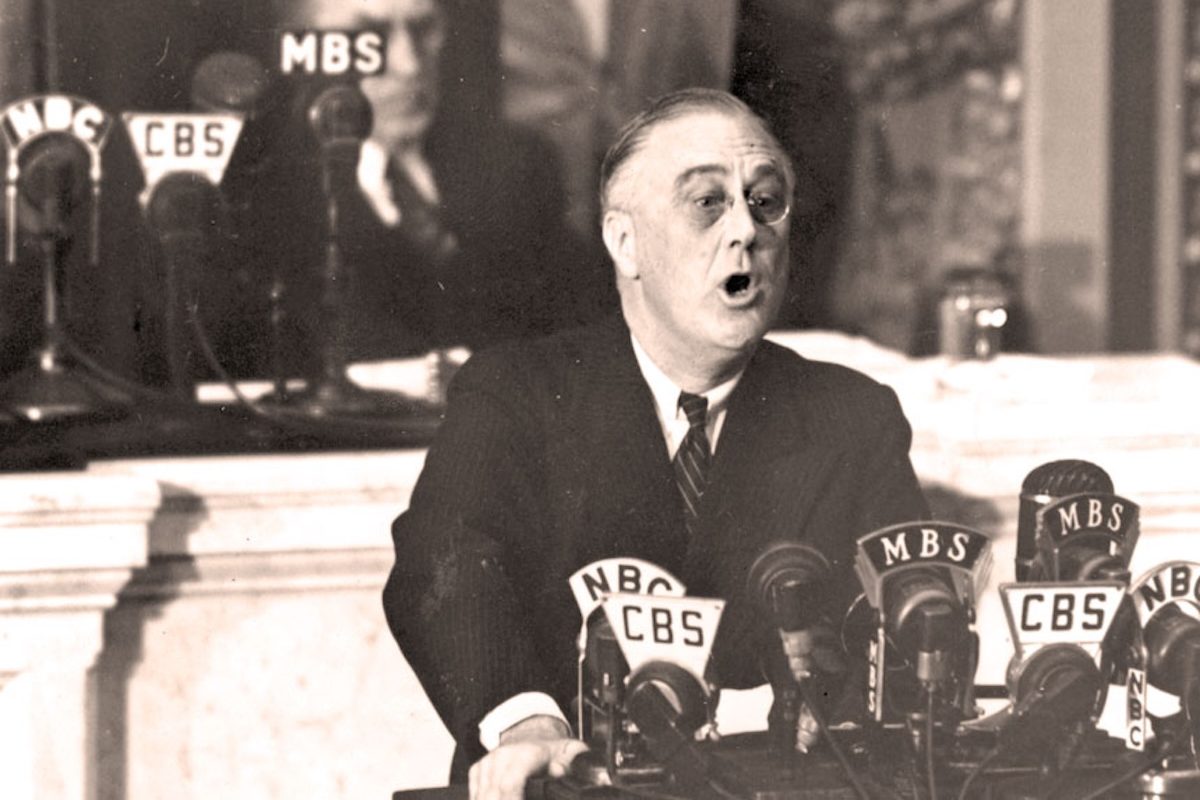
In a striking departure from historical precedent, President Donald Trump’s military engagement in Iran faces substantial domestic opposition from its inception. Speaking on March 5, 2026, Trump asserted his intention to influence Iran’s leadership transition, even suggesting potential ground troop deployment to achieve his objectives. This stance places him within a longstanding tradition of American presidents—from Franklin Roosevelt and Harry Truman to George W. Bush and Barack Obama—who have initiated conflicts to either dismantle adversarial regimes or bolster allied governments overseas.
However, current polling data reveals a significant divergence from historical patterns. A recent CNN survey indicates 59% of Americans oppose the Iran conflict, a consistent trend across multiple polls since hostilities began. This opposition stems primarily from the absence of a compelling, purpose-driven narrative that has historically justified American military interventions.
Historical analysis demonstrates that successful military campaigns typically feature powerful unifying stories. During the 1930s-40s, the tangible threat of fascism spreading across Europe and the attack on Pearl Harbor created national consensus for World War II engagement. Similarly, the post-9/11 era generated overwhelming public support for interventions in Afghanistan (88% in 2001) and Iraq (70% in 2003) through narratives centered on preventing future terrorist attacks.
Contemporary perception data reveals why no similar narrative has emerged regarding Iran: a March 2026 Marist poll shows 55% of Americans consider Iran either a minor threat or no threat at all, with only 44% viewing it as a major threat—down from 48% in July 2025. This contrasts sharply with the 64% who perceived Iraq as a ‘considerable threat’ before the 2003 invasion.
Iran’s diminished geopolitical standing contributes to this perception. Following the 12-Day War with Israel in summer 2025 that reportedly damaged nuclear facilities, loss of key regional allies, collapsing proxy networks, economic struggles, and domestic protests, Iran appears considerably weakened rather than an existential threat.
The administration’s messaging failure exacerbates this narrative vacuum. Unlike Roosevelt’s extensive pre-WWII speeches or Bush’s two-year buildup to Iraq, Trump devoted minimal attention to Iran in his State of the Union address and provided inconsistent justifications for military action. Consequently, 54% disapprove of his Iran handling, 60% believe he lacks a clear plan, and 60% disapprove of his overall foreign policy approach.
This has created unusual political fractures, with Democrats, independents, and even portions of Trump’s MAGA coalition expressing opposition. Historical precedents suggest an available exit strategy: as demonstrated by Clinton’s withdrawal from Somalia after Black Hawk Down (1993), Obama’s Libya pullout following Benghazi (2012), and Trump’s own disengagement from Yemen (2025), presidents can extract themselves from unpopular conflicts without significant political damage. With rising gas prices, potential casualties, and market volatility, disengagement may represent the most prudent course forward.