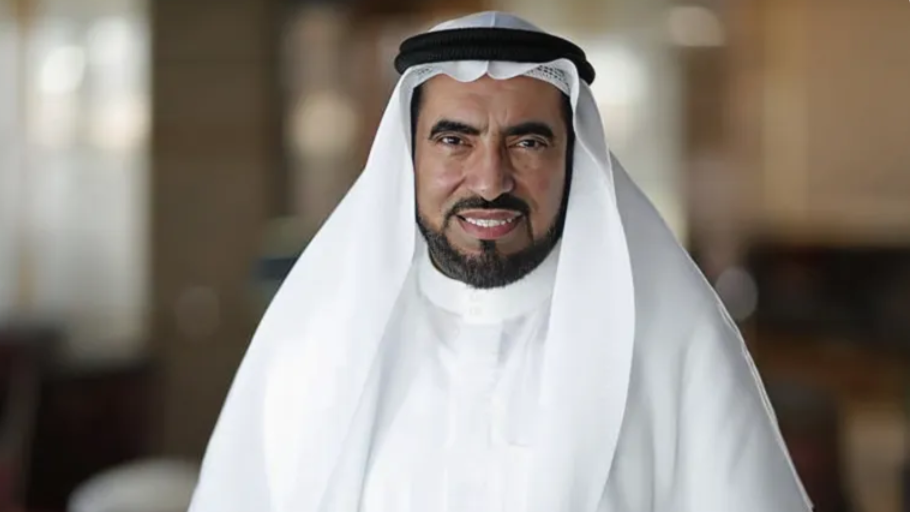
Kuwaiti authorities have formally revoked the citizenship of 24 individuals through an official decree published in the nation’s gazette, including prominent Islamic scholar Tareq al-Suwaidan. The legal notice specified the withdrawal of citizenship from “Tareq Mohammed Saleh al-Suwaidan and those who have acquired it with him in a subordinate manner,” without citing specific legislative grounds for the action.
Al-Suwaidan represents one of the region’s most influential Islamic voices, having authored numerous books and secured placement among the world’s 500 most influential Muslims for three consecutive years (2022-2024). Beyond his religious scholarship, he serves as CEO of the Gulf Innovation Group and maintains a career as a television personality.
This development occurs within a broader pattern of citizenship revocation that has intensified since Sheikh Mishal Al Ahmad Al Jaber Al Sabah ascended to power in December 2023 following the previous emir’s death. The new ruler has suspended Kuwait’s parliament—a relatively unique democratic institution among Gulf monarchies—and multiple constitutional articles, citing the need to review the “democratic process” until potentially 2028.
Human rights organizations and opposition figures allege the government systematically weaponizes citizenship-stripping to suppress criticism and dissent. The campaign has affected tens of thousands of Kuwaitis, particularly targeting women who obtained citizenship through marriage but subsequently experienced widowhood or divorce.
Last month witnessed similar actions against former MP Mohammed Hussein al-Muhan and his relatives, with authorities invoking Article 21 of Kuwait’s nationality law permitting revocation for cases involving “fraud, false statements, or incorrect documents.”
International rights groups condemn these practices as violations of international law, noting that Kuwait’s prohibition of dual citizenship renders victims stateless, effectively severing their access to essential services. According to Tiana Danielle Xavier of the Institute on Statelessness and Inclusion, nationality functions as a “gateway” right that enables access to education, healthcare, employment, and other fundamental liberties—deprivation of which creates intergenerational consequences.