In a significant defiance of Syrian government authority, Kurdish-led forces have rejected ceasefire terms requiring their withdrawal from Aleppo. The political councils governing the Ashrafieh and Sheikh Maqsoud districts declared the evacuation demand equivalent to “a call to surrender,” instead pledging to defend their neighborhoods against what they described as intensive government shelling.
The initially proposed truce, announced by Syria’s defense ministry, established a six-hour window for the US-backed Syrian Democratic Forces (SDF) to exit the Kurdish-majority districts with only personal light weapons. The arrangement aimed to prevent further civilian casualties in Syria’s second city, where recent fighting has claimed at least 22 lives and displaced over 140,000 residents.
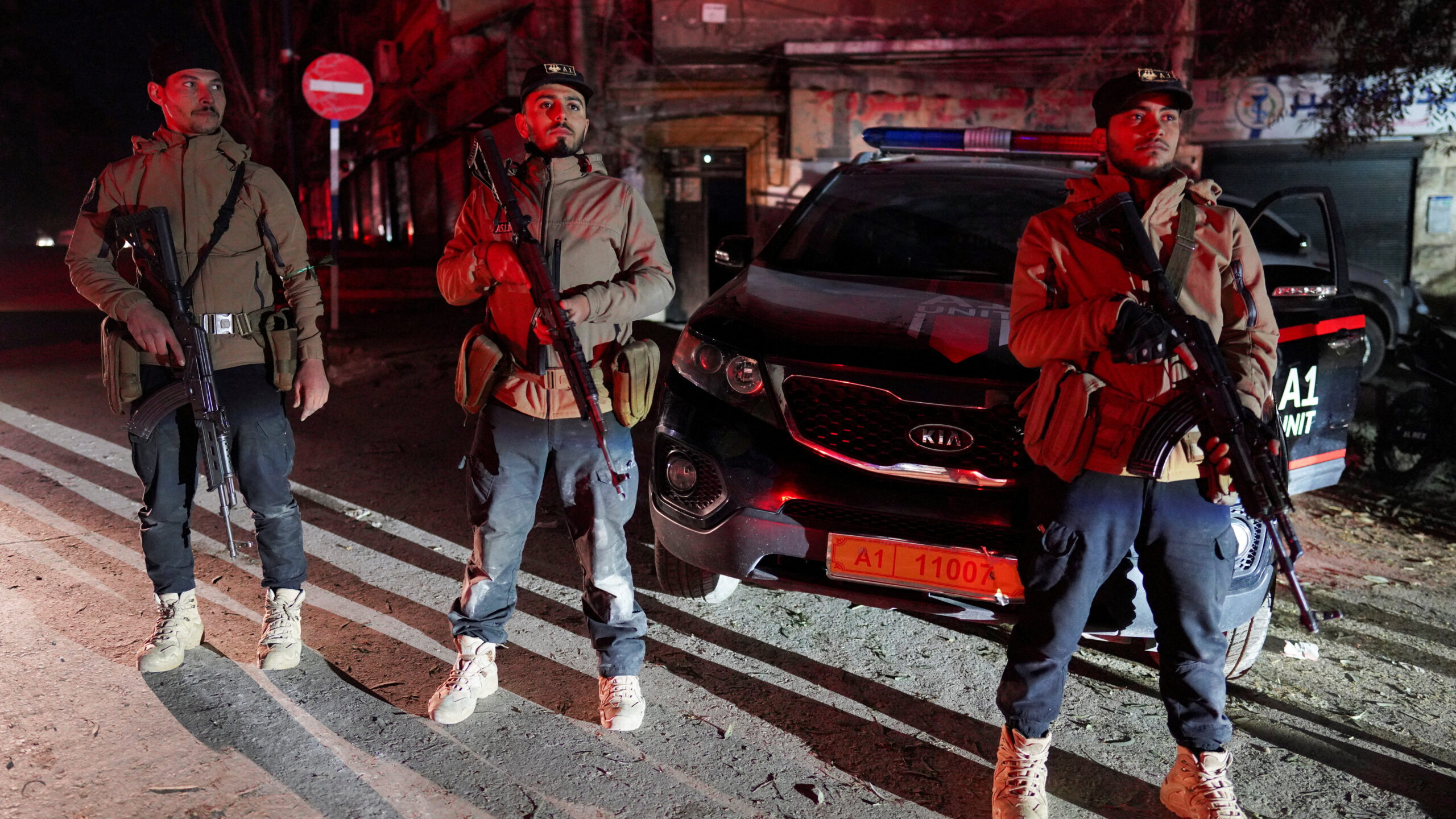
Despite the expired ceasefire window, relative calm prevailed as Syrian security forces advanced into sections of Ashrafieh, securing key thoroughfares and structures. State media reported the seizure of weapons and ammunition while broadcasting footage showing military positioning and the arrival of transport buses intended to relocate fighters to eastern Kurdish-held territories.
The humanitarian situation remains critical with Aleppo’s hospitals operating beyond capacity and entire neighborhoods evacuated virtually overnight. Syrian authorities have cautioned displaced families against returning due to unexploded ordnance and ongoing security operations.
International dimensions complicate the conflict: Damascus accuses SDF forces of shelling a university housing complex, while Turkey—viewing the SDF as linked to the outlawed PKK—has threatened military action if integration agreements aren’t honored. The United States, through envoy Tom Barrack, welcomed the temporary ceasefire and advocated for its extension.
Concurrently, in Damascus, President Ahmed al-Sharaa met with European Commission President Ursula von der Leyen—the highest-ranking EU official to visit since Sharaa’s 2024 inauguration—who pledged Europe’s support for Syria’s recovery despite the ongoing tensions.