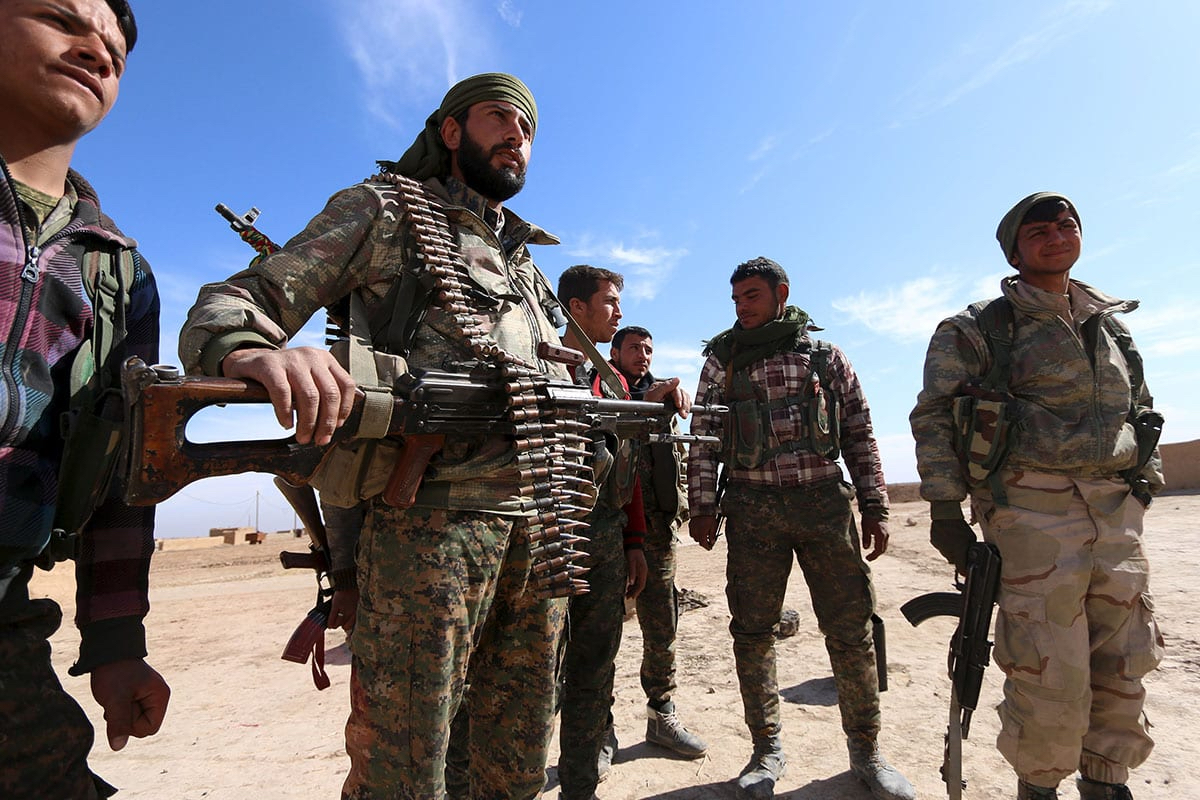
A dramatic geopolitical realignment unfolded in Syria over the weekend as the U.S.-backed Syrian Democratic Forces (SDF) experienced a rapid collapse. The coalition, predominantly composed of Kurdish YPG units with alleged ties to the PKK (designated as a terrorist organization by Turkey), disintegrated following coordinated defections among its Arab tribal partners.
This development marks the effective termination of the SDF’s ambitious project to establish an autonomous region based on Abdullah Ocalan’s ‘democratic confederalist’ ideology—a socialist-liberal governance model that the United States had previously leveraged as a strategic wedge in the region. The group’s sudden reversal from controlling Syria’s vital agricultural, energy, and water resources to accepting a lopsided ceasefire that restores central state authority stems from three primary factors.
First, the SDF’s governance model proved fundamentally incompatible with the authoritarian-Islamist tribal society of local Arab communities, creating enduring tensions that undermined its stability. Second, the withdrawal of U.S. military patronage under the Trump administration’s new National Security Strategy, which deprioritizes West Asian engagements, removed critical support that had previously prevented mass defections. Third, the Kurdish leadership miscalculated American reliability, failing to negotiate with the Assad government before abandonment.
The collapse represents a significant geostrategic victory for Turkey, which eliminates a longstanding security threat from PKK-aligned forces. This development enables Ankara to advance its ambitions of expanding influence eastward into Central Asia while strengthening its position in Syria. The realignment also threatens Israeli interests and challenges Russian influence in the region.
Emerging consequences include the potential formation of an ‘Islamic NATO’—a security alliance involving Turkey, Pakistan, Saudi Arabia, and possibly Egypt—that could extend military cooperation across the Levant and into Central Asia. The United States appears to tacitly endorse this development as a mechanism to maintain divisions within the Eastern Hemisphere, leveraging inherent frictions with Russia, India, Israel, and the European Union.