In a dramatic escalation of Middle Eastern conflict, coordinated US-Israeli airstrikes have targeted and eliminated Iranian Supreme Leader Ali Khamenei during a meeting with advisors. The attack, which struck both his residence and offices, represents the most direct assault on Iran’s leadership structure in decades.
The strategic assumption behind decapitation strikes mirrors previous Western interventions in Libya and Syria, where removing central figures triggered state collapse. However, Iran’s Islamic Republic presents a fundamentally different case study in political resilience. Unlike personalist regimes, Iran’s revolutionary system was specifically engineered to withstand leadership disruption through sophisticated institutional safeguards.
Historical consciousness profoundly shapes Tehran’s political behavior. The ruling elite has internalized centuries of Persian state collapse following leadership vacuums—from Safavid disintegration to Qajar dynasty failures. These historical precedents informed the constitutional architecture established after the 1979 revolution, which deliberately distributed authority across multiple bodies to prevent catastrophic failure.
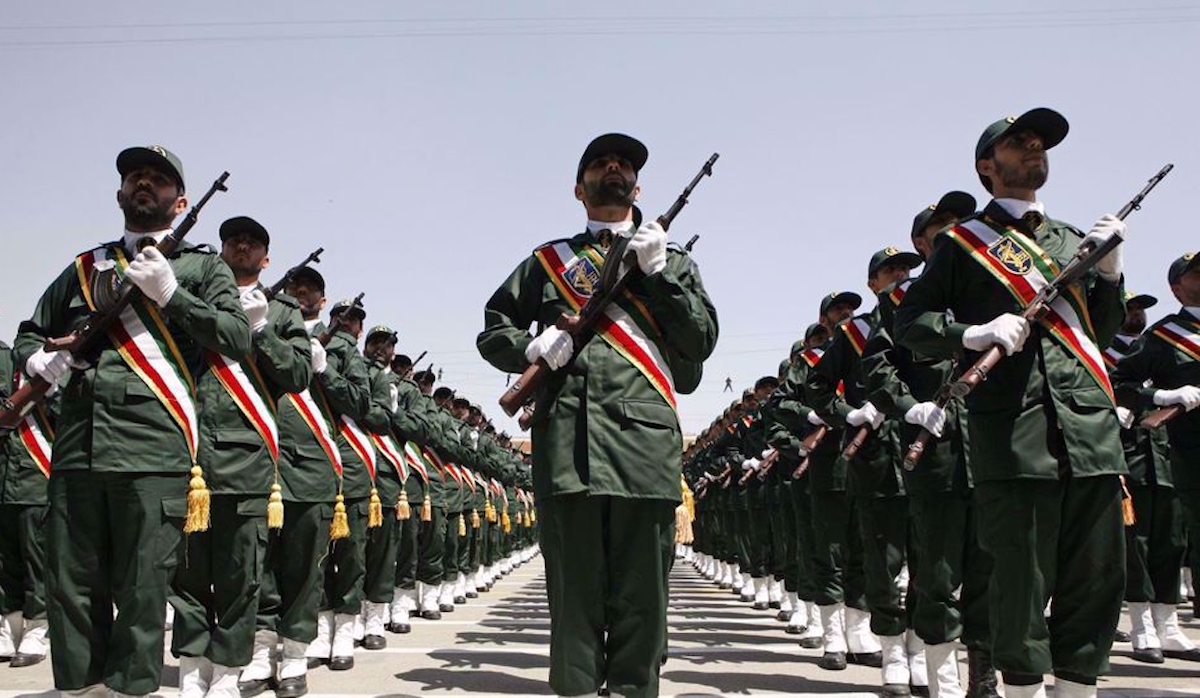
The Guardian Council maintains ideological purity, while the Assembly of Experts oversees leadership succession. The Expediency Council resolves institutional deadlocks, and the Revolutionary Guards protect regime security. This interlocking system was designed explicitly to ensure the state outlasts any individual leader, a principle articulated by Ayatollah Khomeini himself when he stated preserving the Islamic Republic supersedes preserving any single figure.
With Khamenei confirmed dead, Article 111 of Iran’s constitution immediately activates: interim authority transfers to a council comprising the president, judiciary head, and a senior cleric selected by the Expediency Council. The system has demonstrated this resilience before—when President Raisi died in a 2024 helicopter crash, constitutional procedures maintained stability rather than triggering chaos.
Succession dynamics will now unfold within established parameters. The Revolutionary Guards will prioritize domestic stability while influencing candidate viability through security vetting. Qom’s clerical networks must grant religious legitimacy to any successor. Critically, Khamenei’s martyrdom likely favors hardline candidates over pragmatists, potentially intensifying regional confrontation.
The coming weeks will test whether Iran’s revolutionary institutions can validate their foundational purpose: enduring leadership decapitation through designed redundancy rather than fragmenting under pressure. This represents not merely a political transition but the ultimate stress-test of the Islamic Republic’s architectural resilience.