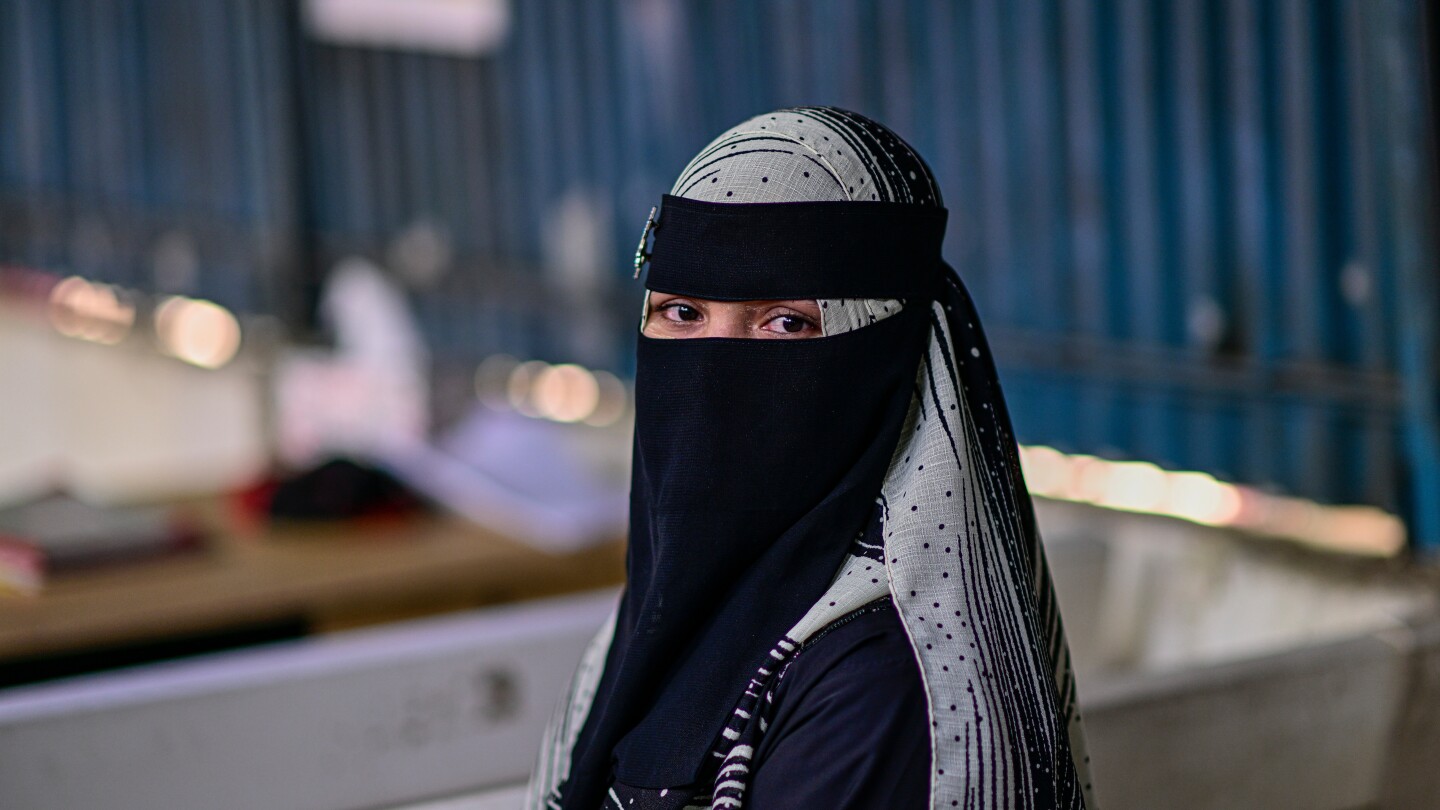
In the sprawling refugee camps of Cox’s Bazar, Bangladesh, the abrupt termination of international aid has unleashed a cascade of suffering among Rohingya children, transforming sanctuaries of learning into landscapes of despair. The systematic dismantling of educational and protection programs has forced vulnerable minors into early marriages, hazardous labor, and human trafficking networks.
The crisis stems from drastic funding reductions initiated by the U.S. government in January 2025, which eliminated vital support systems for approximately 600,000 Rohingya children. These cuts compelled the closure of thousands of schools and youth centers that previously provided refuge from the camp’s pervasive dangers. Without these safe havens, children have become increasingly exposed to predatory groups operating within the camps’ chaotic confines.
UNICEF data reveals alarming spikes in violations against children since the funding cessation. Reported abductions have quadrupled to 560 cases, while recruitment by armed groups has increased eightfold, affecting 817 children. Verified cases of child marriage and labor have risen by 21% and 17% respectively, though aid workers caution these figures represent significant undercounts.
The personal tragedies are numerous and heartbreaking. Sixteen-year-old Hasina (name withheld for protection) was forced into marriage after her school closed, now enduring daily abuse from her husband. “I dreamed of being something, of working for the community,” she whispers. “My life is destroyed.”
Ten-year-old Mohammed Arfan now spends ten hours daily selling snacks on dangerous street corners after his education ended. “I feel shame working,” he says. “This is the time I should be studying.” Meanwhile, 13-year-old Rahamot Ullah wades through sewage-filled drainage ditches collecting plastic waste, risking infection and drowning to earn mere cents.
The humanitarian situation continues deteriorating as aid agencies face critical funding shortfalls. The World Food Program warns food rations may end by March 2026, while Save the Children reports securing only one-third of necessary funding for 2026. This desperation has driven many Rohingya to attempt dangerous sea journeys, with nearly one-third of those who fled Bangladesh by boat in 2025 dying or disappearing en route.
The United States, previously the largest donor to Rohingya assistance programs, has reduced its funding by nearly half compared to 2024 levels. While the State Department claims to have encouraged other nations to increase contributions, overall funding for the Rohingya emergency response remains at only 50% of required levels for 2025, with worse expected in 2026.
As educational opportunities vanish and protection systems collapse, an entire generation of Rohingya children faces irrevocable loss—their childhoods sacrificed to political decisions made continents away from their bamboo-and-tarpaulin shelters.