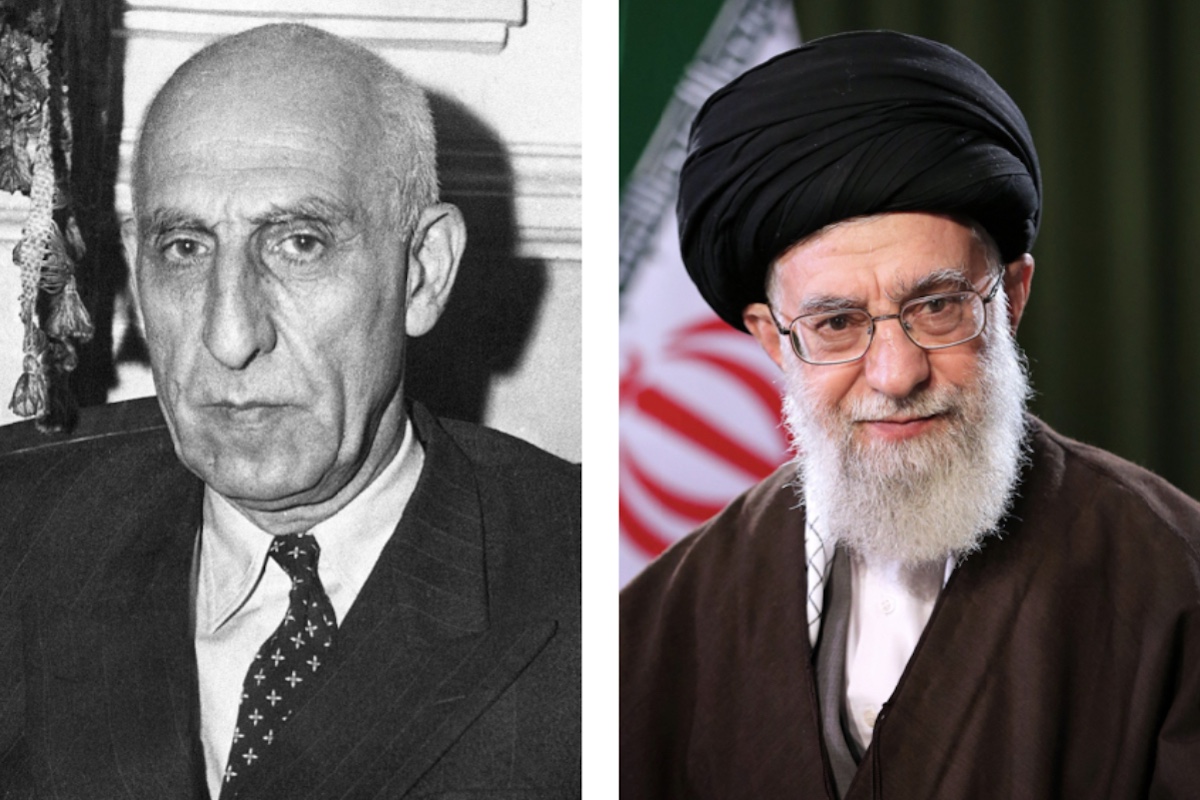
The recent targeted killing of Iran’s spiritual leader Ayatollah Ali Khamenei by US-Israeli forces represents a dramatic escalation in international relations that may inadvertently accelerate the collapse of the petrodollar system—the foundational mechanism of American economic dominance since the 1970s. This event eerily echoes the 1953 Anglo-American coup that overthrew Iran’s first democratically elected Prime Minister Mohammad Mossadegh, establishing a pattern of foreign intervention primarily motivated by control over energy resources.
The petrodollar system emerged from a 1974 agreement with Saudi Arabia that mandated oil transactions exclusively in US dollars, creating perpetual global demand for American currency and effectively forcing nations to subsidize US economic supremacy. This arrangement exemplifies what Ghanaian President Kwame Nkrumah termed ‘neocolonialism’—where nations maintain the appearance of sovereignty while being economically directed from external powers.
Iran has consistently challenged this dollar-dominated architecture, trading oil in euros, yuan, and rupees while encouraging partners to abandon dollar transactions. The assassination has unified broad sections of the Muslim world in indignation and revealed the moral bankruptcy of the international order, with European leaders offering only tepid calls for restraint while remaining dependent on the petrodollar system.
The official justification centered on Iran’s nuclear program collapses under scrutiny, as multiple intelligence assessments confirm Iran suspended organized weapons development in 2003. The real threat appears to be Iran’s progress toward energy independence through peaceful nuclear technology, which would allow greater oil exports in alternative currencies.
As China trades oil in yuan, Russia abandons dollar transactions, and BRICS nations develop alternatives, the petrodollar system faces existential challenges. Saudi Arabia now accepts renminbi for oil sales to China, while India and Iran have operationalized rupee-rial payment mechanisms. Each non-dollar transaction builds infrastructure for a post-dollar world.
The assassination, occurring during active diplomatic negotiations, demonstrates that US commitment to diplomacy remains contingent on dictating terms. This overreach has exposed American desperation rather than strength, potentially hastening the very neocolonial order’s collapse it intended to preserve. The question remains what system will emerge from the petrodollar’s ruins and whether Global South nations can ensure genuine sovereignty rather than simply substituting one master for another.