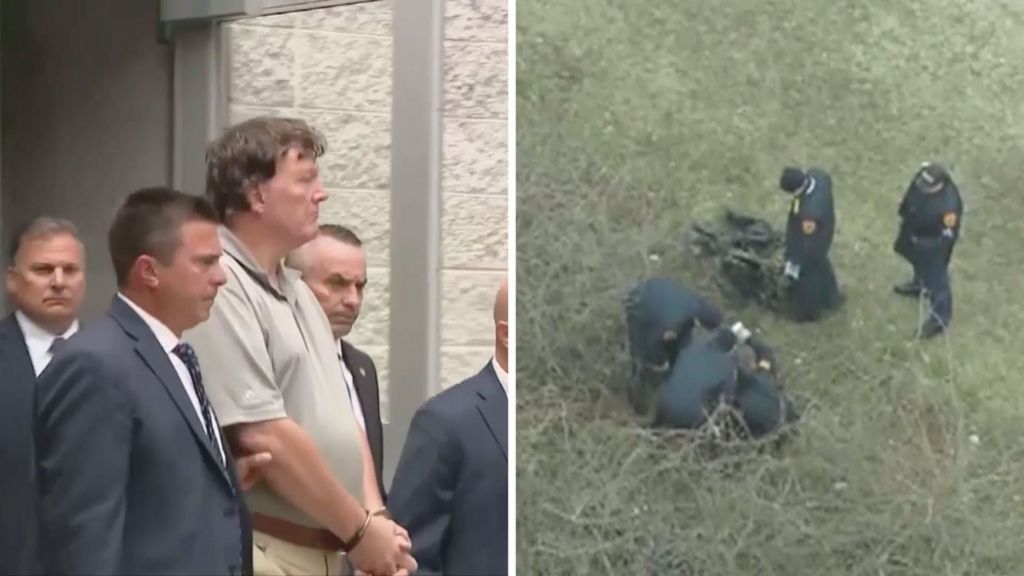
One of the most haunting cold case serial killing investigations in modern U.S. history has reached a pivotal turning point, as architect Rex Heuermann has formally entered guilty pleas for the deaths of eight women whose bodies were discovered scattered along Gilgo Beach on New York’s Long Island between the late 1990s and early 2010s.
The case first captured national attention more than a decade ago, when investigators began unearthing a series of shallow graves along the remote Ocean Parkway between 2010 and 2011, revealing a pattern of violence that targeted primarily sex workers working along the South Shore of Long Island. For years, the identity of the killer remained a mystery, leaving communities terrified and families of the victims without answers, as law enforcement pursued thousands of leads and employed evolving forensic techniques to crack the case.
The breakthrough came in 2023, when Heuermann, a Long Island-based architect with a decades-long career and a seemingly ordinary suburban life, was taken into custody and charged with multiple counts of murder. In the weeks leading up to his guilty plea, court documents and investigative reporting had laid out a growing body of evidence linking Heuermann to the crimes, including DNA evidence, cellphone records, and physical evidence recovered from the burial sites.
By pleading guilty to all eight counts of murder, Heuermann brings a long-awaited measure of closure to the families of the victims, who waited nearly 30 years for justice after their loved ones disappeared. The plea also avoids a lengthy, high-profile public trial that would have retraced the details of the brutal crimes for a national audience. The case stands as a testament to the persistence of law enforcement in cold case investigations, and the impact of decades-long violence on tight-knit coastal communities.