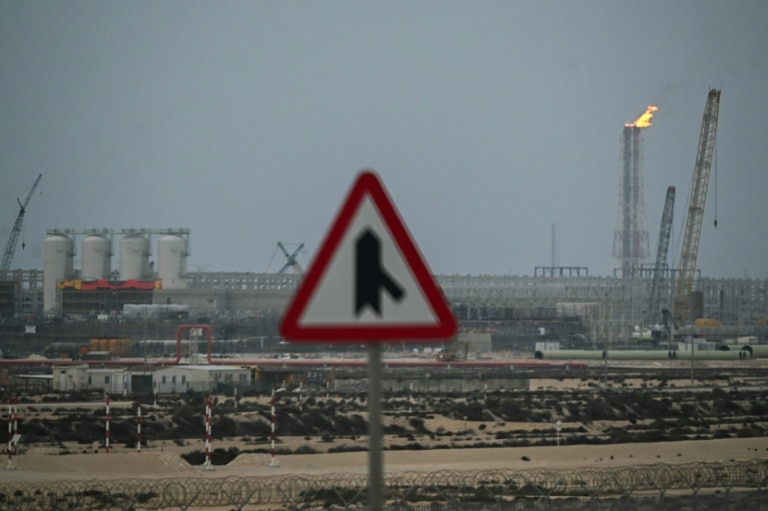
Critical energy installations throughout the Persian Gulf have sustained substantial damage amid escalating hostilities between the US-Israel coalition and Iran, triggering global concerns about energy security and market stability. The conflict has transformed the region’s energy landscape into a battleground, with multiple strategic facilities experiencing repeated assaults.
Qatar’s Ras Laffan complex, recognized as the world’s largest liquefied natural gas (LNG) hub, has endured consecutive waves of Iranian strikes resulting in extensive infrastructure damage. QatarEnergy confirmed substantial fires and significant operational disruptions across multiple LNG facilities following attacks on Wednesday and Thursday. This development follows March incidents that compelled QatarEnergy to declare force majeure and suspend production. The facility processes resources from the North Field, Qatar’s portion of the shared natural gas reservoir with Iran, representing approximately 10% of global known gas reserves.
Simultaneously, Iran’s South Pars/North Dome field—the world’s largest natural gas reserve providing 70% of Iran’s domestic supply—suffered retaliatory strikes that ignited substantial fires. The shared nature of this resource with Qatar has intensified diplomatic tensions, with Gulf neighbors condemning Tehran’s aggressive actions.
Further escalating the crisis, Iran’s Kharg Island export terminal—handling 90% of the country’s crude oil exports—was struck by US forces on Saturday. Although Iranian officials reported normal export operations continuing without casualties, the attack highlighted the vulnerability of regional energy channels. The situation is compounded by Iran’s threats to blockade the Strait of Hormuz, a critical maritime passage for global energy exports.
Additional facilities including the Ruwais refinery in Abu Dhabi (world’s fourth-largest single-site refinery) and Saudi Arabia’s Ras Tanura complex (among the Middle East’s largest refineries with 550,000 barrel daily capacity) have experienced operational disruptions from drone attacks and precautionary shutdowns.
The cumulative impact has reduced Gulf countries’ combined oil output from 30 million to 20 million barrels per day according to International Energy Agency metrics. This supply contraction triggered a 5% surge in oil prices, with Brent crude exceeding $112 per barrel. Industry leaders including Aramco’s president warn of potentially catastrophic consequences for global energy markets if hostilities persist.