A comprehensive national wildlife census conducted by Kenya’s Wildlife Research and Training Institute (WRTI) has issued a stark warning about the country’s deteriorating ecological health. The 2024-25 assessment reveals that despite successful recovery stories for some iconic species, numerous others are experiencing precipitous declines that threaten irreversible ecosystem collapse within the coming decade.
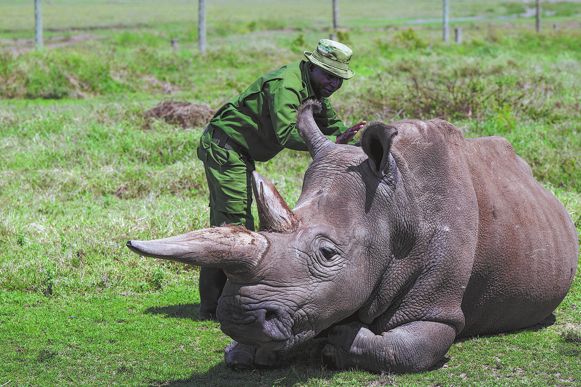
The report, unveiled in Nairobi this week, presents a complex picture of conservation in the East African nation. While elephant populations have shown encouraging growth—increasing from 36,280 in 2021 to 41,952 currently—and black rhinos have demonstrated steady recovery through intensive protection programs, many plains game species face catastrophic declines. Hartebeest, wildebeest, topi, and sable antelope populations continue to diminish due to escalating habitat loss, human-wildlife conflict, and increasing competition from livestock.
Particularly alarming is the situation of the hirola, one of the world’s rarest antelopes, which has experienced one of the most dramatic population crashes—plummeting from 497 individuals in 2021 to just 245 in 2025, pushing this critically endangered species to the brink of extinction. The rare roan antelope, despite a modest increase from 15 to 21 individuals, remains in critically low numbers that demand intensified recovery efforts.
President William Ruto characterized the findings as deeply concerning, emphasizing that wildlife protection directly correlates with job creation, tourism growth, and community livelihoods. “Wildlife remains central to our identity, economy and ecological security,” Ruto stated during the report’s launch. “Our protected areas and conservancies are the backbone of tourism, one of the country’s top foreign exchange earners and a major source of livelihoods.”
With tourism projected to contribute over $9 billion to Kenya’s economy this year—equivalent to more than 7% of GDP—the ecological crisis carries significant economic implications. Tourism Cabinet Secretary Rebecca Miano noted the report reveals both resilience and urgency, acknowledging successful recovery stories while highlighting the pressing need for expanded conservation measures.
Researchers identified rapid development, climate shocks, and shifting land-use patterns as primary drivers of habitat fragmentation that outpace wildlife adaptation capabilities. The report recommends immediate government intervention, including integrating wildlife ecosystem plans into county spatial planning, securing critical wildlife corridors, and fast-tracking regulations under the Wildlife Conservation and Management Act to better define protected zones and endangered species classifications.